

Markets Push Back on September Tightening Bets
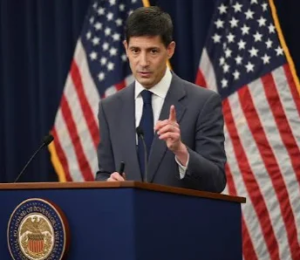
Despite a hawkish speech from Federal Reserve Governor Kevin Warsh on Friday, August 28, 2026, market pricing for a September rate hike remains at just 58%, according to CME FedWatch data. This is notably below the 90% probability that some analysts had feared earlier in the month, suggesting investors are skeptical that the Fed will move aggressively at its September 15-16 meeting.
Treasury yields reflected this tempered outlook, with the 10-year note trading around 4.22% on Monday, August 31, down from a recent peak of 4.35% on August 25. The dollar index also eased 0.3% in early trading, as rate-sensitive assets found relief from the lower odds.
Why 58% Probability Signals Market Skepticism
The gap between Warsh’s rhetoric and market pricing is telling. Warsh, known for his inflation-hawk stance, argued on Friday that the Fed must “stay vigilant” against sticky price pressures, citing core PCE inflation at 2.7% year-over-year as of July. Yet, traders are focusing on weakening labor data—nonfarm payrolls for August are due this Friday, September 4, and consensus expects a slowdown to 120,000 new jobs from 165,000 in July.
A 58% probability is far from a done deal. Historically, the Fed rarely surprises markets when odds are below 70%. The last time the Fed hiked with sub-60% odds was in December 2015, when it raised rates despite just a 52% probability. However, that move was followed by a prolonged pause, underscoring that even if the Fed acts, it may not signal a sustained tightening cycle.
Labor Report and CPI Data Stand as Key Hurdles
The next two weeks will be pivotal. Friday’s jobs report will be the first major test. If payrolls miss the 120,000 consensus, odds could drop below 50%, effectively killing the September hike. Conversely, a surprise above 200,000 would likely push probabilities toward 75%, reviving the 90% scare.
Beyond jobs, the August CPI report, scheduled for September 13, will be critical. The headline CPI is forecast to rise 2.9% year-over-year, down from 3.0% in July, but any upside surprise would force the Fed’s hand. Analysts at JPMorgan note that the Fed’s own projections, updated in June, still show one more hike by year-end, so a September move would align with that path, but only if data cooperates.
Rate-Sensitive Sectors Show Resilience
Equity markets have taken the 58% odds in stride. The S&P 500 is up 0.4% in early trading on Monday, with technology and real estate leading gains. Homebuilders, particularly sensitive to mortgage rates, have rallied 1.2% this morning, as the 30-year fixed mortgage rate holds near 6.8%, down from a July peak of 7.1%.
The bond market, however, remains cautious. The 2-year Treasury yield sits at 4.85%, still above the 10-year, a classic inversion that signals recession risk. If the Fed hikes in September, the curve could steepen, but the inversion has persisted for over a year, and any relief would be welcome for yield-starved investors.
What Could Break the 58% Stalemate
For the thesis to shift, we need a clear catalyst. Watch the August jobs report on September 4—a miss below 100,000 would likely cement a pause. Also monitor Fed speakers this week, including Chair Powell’s scheduled address on Wednesday, September 2, at the Brookings Institution. If Powell echoes Warsh’s hawkish tone, odds could climb above 65%.
Ultimately, the September 15-16 FOMC decision will hinge on the cumulative data. A rate hike at 58% odds is a coin flip, and the market’s skepticism suggests that only a robust jobs report and hot CPI can tip the scales. Until then, expect volatility in rate-sensitive sectors, with the 10-year yield as the key barometer.





Comments are closed.