
- Binghatti Properties has publicly addressed investor concerns regarding its debt levels amid an aggressive expansion of new projects across Dubai.
- The developer confirmed that its current debt-to-equity ratio remains within manageable limits, citing strong pre-sales and a robust pipeline of handovers.
- Company leadership emphasized that project financing is largely backed by off-plan sales revenue, reducing reliance on external borrowing.
- Dubai’s real estate market continues to show resilience, with transaction volumes in 2026 remaining elevated compared to the same period last year.
- Analysts note that while liquidity is sufficient for near-term obligations, sustained growth depends on maintaining sales velocity in a competitive luxury segment.
Binghatti Responds to Market Scrutiny
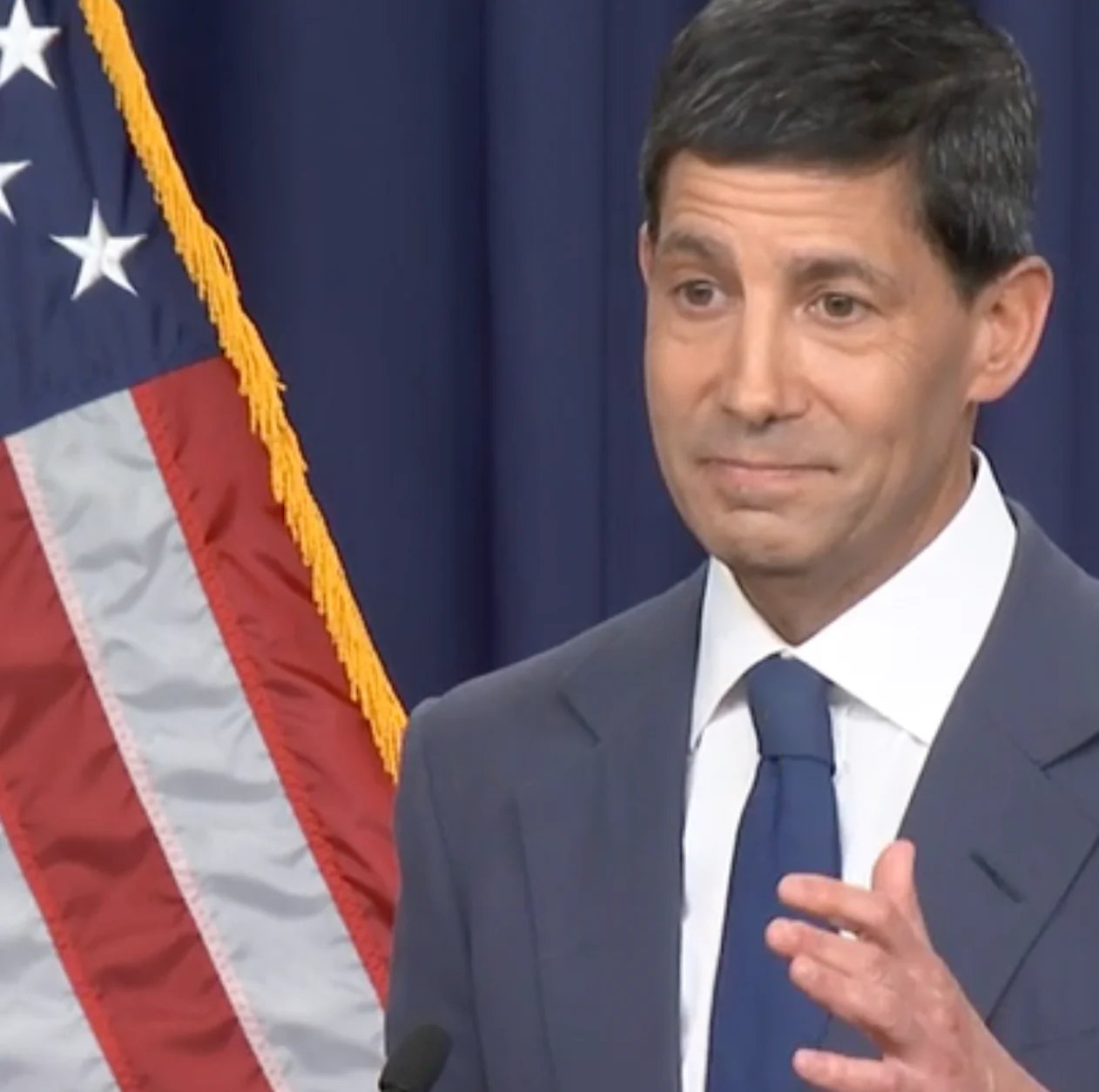
Binghatti Properties, one of Dubai’s most active real estate developers, has moved to quell concerns about its financial leverage as it simultaneously advances multiple high-profile projects across the emirate. In a recent video statement, the company’s management addressed questions surrounding its debt profile, a topic that has gained traction among investors and market watchers following a period of rapid land acquisitions and construction starts. The developer acknowledged the scrutiny but framed its current position as a function of deliberate growth strategy rather than financial strain.
The company reported that its debt-to-equity ratio stands at a level it considers conservative for the sector, though specific figures were not disclosed in the video. Management pointed to a strong backlog of off-plan sales, which they say provides a self-funding mechanism for ongoing construction. This model, common among Dubai developers, allows Binghatti to use customer installments to cover build costs, thereby limiting the need for traditional bank financing. The firm also highlighted that several recently completed towers have been handed over on schedule, generating cash inflows that further stabilize its balance sheet.
Dubai Market Dynamics and Investor Sentiment
The timing of Binghatti’s clarification is notable. Dubai’s property market has experienced a sustained upcycle since the post-pandemic recovery, with 2026 transaction data showing continued momentum. According to recent figures from the Dubai Land Department, both sales volumes and values have remained above the five-year average, driven by demand from international buyers and a growing population of high-net-worth individuals. However, this boom has also raised questions about whether developers are overextending, particularly as interest rates globally remain elevated relative to the past decade.
Investor sentiment toward Binghatti has been mixed. While the company’s brand recognition and project pipeline are seen as assets, some analysts have expressed caution about the sheer number of simultaneous launches. The developer has unveiled several new residential towers in prime districts such as Business Bay and Dubai Marina, each requiring substantial upfront capital for land and foundation work. In response, Binghatti emphasized that its land acquisition strategy is largely based on deferred payment structures, which spread costs over project lifecycles rather than concentrating them upfront.
Liquidity Position and Forward Outlook
Beyond the debt ratio, the company addressed its liquidity position, stating that it holds sufficient cash reserves to cover all committed obligations for the next 18 months. This assertion is intended to reassure contractors, suppliers, and off-plan buyers who may be monitoring the developer’s financial health. Binghatti also noted that it has not defaulted on any payment schedules to date, a record it attributes to disciplined cash flow management.
Looking ahead, the developer plans to maintain its current pace of launches but will prioritize projects with higher pre-sale absorption rates. Management indicated that future expansions will be calibrated to market demand, with a focus on mid-market and affordable luxury segments, which have shown the strongest uptake in recent quarters. This pivot may help mitigate risks associated with oversupply in the ultra-luxury tier, where competition has intensified among both local and international developers.
Industry observers remain cautiously optimistic. The broader Dubai economy continues to diversify beyond real estate, with tourism, finance, and technology sectors contributing to sustained population growth. For Binghatti, the immediate challenge is to convert its extensive pipeline into completed, revenue-generating assets without straining its balance sheet. The company’s willingness to engage openly with debt concerns is a positive signal, though the ultimate test will be its execution over the next several quarters. As the market matures, developers who can balance ambition with financial prudence are likely to emerge as the sector’s long-term winners.










Comments are closed.