
- Icelandic voters rejected restarting European Union membership talks in a national referendum, with opposition strongest outside the capital, Reykjavik.
- Concerns over national sovereignty, fisheries management, and agricultural policy outweighed arguments for closer European integration.
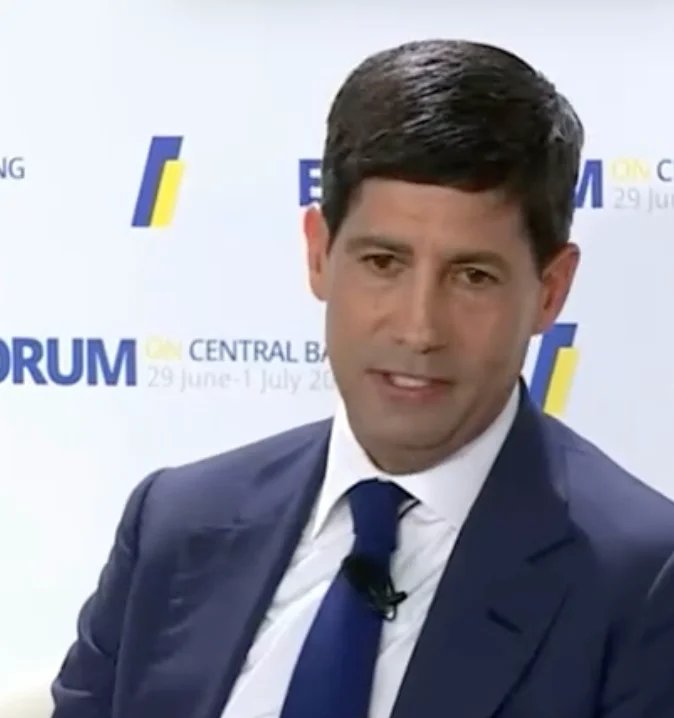
- The result puts any formal EU accession process on hold for the foreseeable future, according to RÚV Iceland News Defense & Security Correspondent Ingólfur Sigfússon.
- The vote could shift regional focus toward Norway as Nordic countries reassess their relationships with Europe amid heightened geopolitical uncertainty.
Referendum Outcome Reflects Deep Regional Divide
Icelandic voters have decisively rejected a proposal to restart European Union membership talks, a result that underscores the enduring strength of euroscepticism in the island nation. The referendum, which asked citizens whether to reopen accession negotiations that were frozen in 2015, saw opposition particularly pronounced in rural areas and smaller communities outside the Reykjavik capital region. In these areas, voters consistently cited fears that EU membership would erode Iceland’s control over its lucrative fishing grounds and undermine its independent agricultural sector, which relies heavily on protective tariffs and state subsidies.
The outcome marks a significant setback for pro-EU factions within Iceland’s political establishment, who had argued that renewed membership talks would provide economic stability and a stronger security umbrella amid shifting transatlantic dynamics. However, the campaign was ultimately dominated by sovereignty concerns, with many voters viewing the EU’s common fisheries policy as an existential threat to Iceland’s primary industry. The fishing sector accounts for a substantial portion of Iceland’s export revenue, and any move toward Brussels has historically been met with fierce resistance from coastal communities that depend on quota systems managed exclusively by Reykjavik.
Geopolitical Implications for the Nordic Region
According to Ingólfur Sigfússon, Defense & Security Correspondent for RÚV Iceland News, the referendum result effectively places EU membership talks on hold for the medium term. Speaking on Bloomberg This Weekend, Sigfússon noted that the political momentum for accession has largely dissipated, and no major party is likely to push for a new vote in the near future. He added that the result could redirect attention toward Norway, which has twice rejected EU membership in past referendums and maintains a close relationship with Brussels through the European Economic Area (EEA) agreement.
The Nordic dimension of this vote is particularly relevant given the current geopolitical climate. As Finland and Sweden have moved closer to NATO and deepened their EU ties, Iceland’s decision to remain outside the bloc reinforces a distinct path for smaller Nordic states. Norway, like Iceland, relies heavily on fisheries and has consistently opted for EEA membership over full EU integration. Sigfússon suggested that the Icelandic result may embolden Norwegian eurosceptics and reinforce the perception that the EEA framework offers sufficient access to the single market without the political costs of full membership.
Economic and Security Considerations
Pro-EU campaigners had hoped that recent geopolitical tensions and the need for diversified trade partnerships would sway voters toward reopening talks. They pointed to Iceland’s small, open economy and its reliance on foreign investment, as well as potential benefits from EU structural funds and a stronger collective voice in international affairs. However, these arguments failed to gain traction against the backdrop of rising food prices and concerns about regulatory burdens that EU membership would impose on local farmers and fishermen.
From a security perspective, Iceland remains a founding member of NATO and hosts a key US military base at Keflavik, which provides a degree of strategic reassurance independent of EU structures. The country also has a bilateral defense agreement with the United States, further reducing the perceived need for EU-based security cooperation. Sigfússon noted that while the referendum does not directly affect Iceland’s NATO membership, it does signal a preference for maintaining flexible, bilateral arrangements over deeper multilateral integration.
Looking ahead, the immediate political focus in Reykjavik will shift to domestic issues, including inflation, housing, and infrastructure investment. The government is expected to respect the referendum result and avoid any moves that could be interpreted as circumventing the popular will. For investors and observers monitoring Nordic-European relations, the vote serves as a reminder that the EU’s enlargement agenda faces significant hurdles even among wealthy, democratic neighbors. The Icelandic decision may also influence ongoing debates in other non-EU states, such as Switzerland and the UK, about the optimal balance between sovereignty and market access.










Comments are closed.