

Meta Pays $16.7 Billion To End Addiction Suit
On Tuesday, August 25, 2026, Meta Platforms and a coalition of state attorneys general finalized a $16.7 billion settlement in federal court, resolving claims that the company misrepresented the mental health risks of its platforms for minors. The settlement, announced after months of closed-door negotiations, closes a landmark trial that had been scheduled to begin in September.
The case, originally filed in 2023, accused Meta of downplaying internal research linking Instagram and Facebook use to anxiety, depression, and addiction among teenagers. Under the terms, Meta admits no wrongdoing but will fund state-led mental health programs and implement stricter age verification and content moderation policies.
Why The $16.7 Billion Figure Matters
The settlement amount, while massive, is roughly 4% of Meta’s $400 billion annual revenue in 2025. Analysts note that the payout, spread over five years, is manageable for a company with $60 billion in cash reserves. But the real cost lies in the precedent: states have shown they can extract concessions beyond monetary fines.
Legal experts point to the requirement that Meta share internal research with an independent oversight board for the next three years. That transparency mandate could expose future product decisions to regulatory scrutiny, potentially slowing feature rollouts that target younger users.
What Signals A Structural Shift In Tech Regulation
This settlement is not an isolated event. In June 2026, Alphabet’s Google agreed to a $5.2 billion settlement with 38 states over similar child safety allegations. The coordinated state action suggests a template for holding platform companies accountable, bypassing stalled federal legislation.
The impact on Meta’s stock was muted, with shares rising 1.2% to $512 on Wednesday, as investors focused on the removal of legal uncertainty. However, the new compliance costs are estimated at $800 million annually, which could trim operating margins by 0.2 percentage points.
Who Pays The Real Price: Advertisers Or Users?
Meta will likely pass on some costs through higher ad prices, particularly in the youth-targeted segments. Brands advertising on Instagram may see CPMs rise by 3-5% over the next year, according to digital marketing analysts. Smaller advertisers, with tighter budgets, could reduce spending, potentially slowing Meta’s ad revenue growth from 12% to 9% in 2027.
For users, the settlement mandates default privacy settings for minors, limiting data collection for ad targeting. This could reduce the value of Meta’s ad inventory, forcing the company to rely more on AI-driven personalization, a shift that may raise privacy concerns anew.
What To Watch: State Enforcement And Q3 Earnings
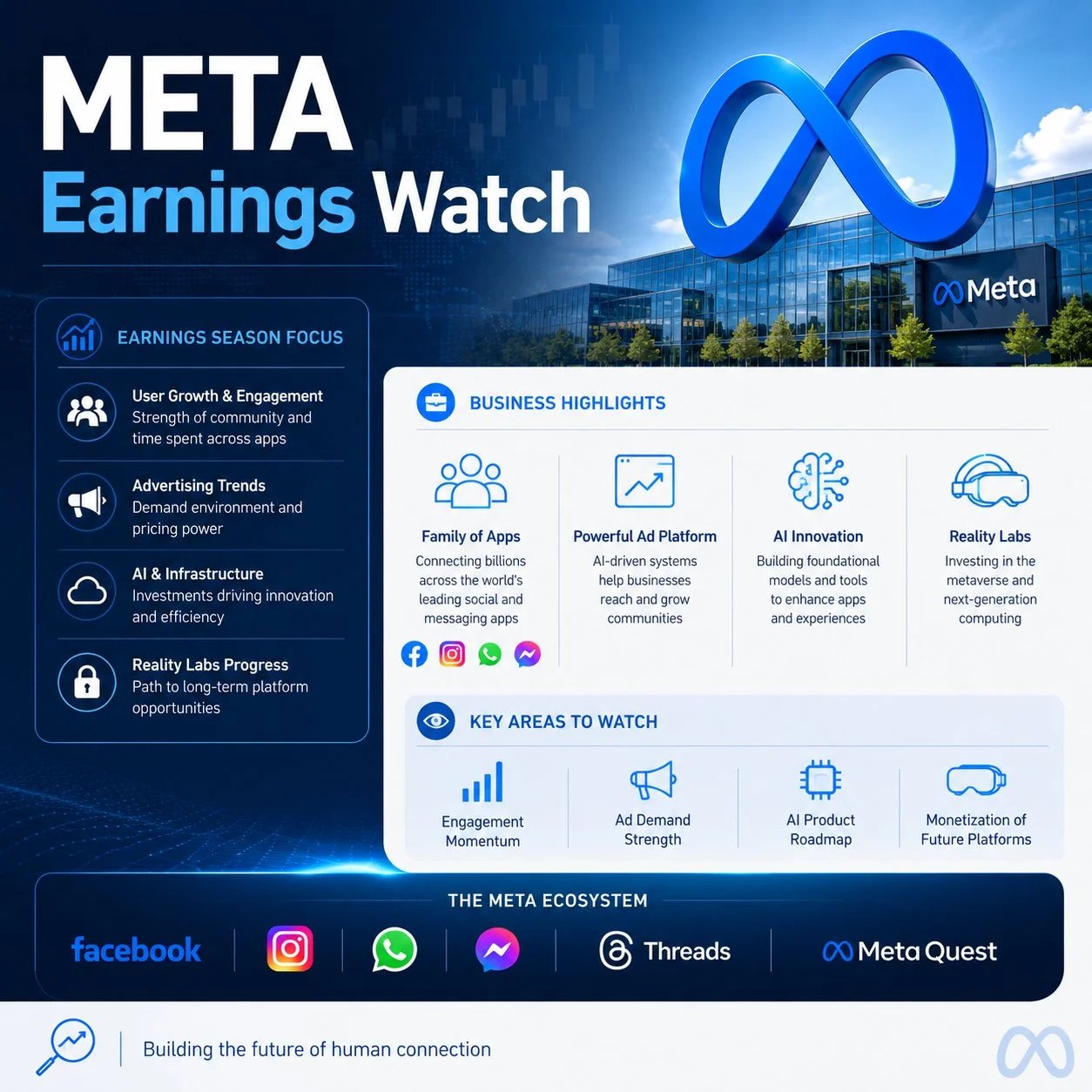
The next test comes on October 28, 2026, when Meta reports Q3 earnings. Investors will watch for guidance on compliance costs and any impact on user engagement from new safety features. A stronger signal would be if Meta announces a buyback expansion, indicating confidence in cash flow despite the settlement.
Conversely, if states begin new investigations under the settlement’s data-sharing provisions, that would signal further legal risk. The first oversight board report is due in March 2027, and its findings on Meta’s internal research could trigger additional state actions. For now, the settlement removes a major overhang, but the structural shift in regulation remains the key variable.