
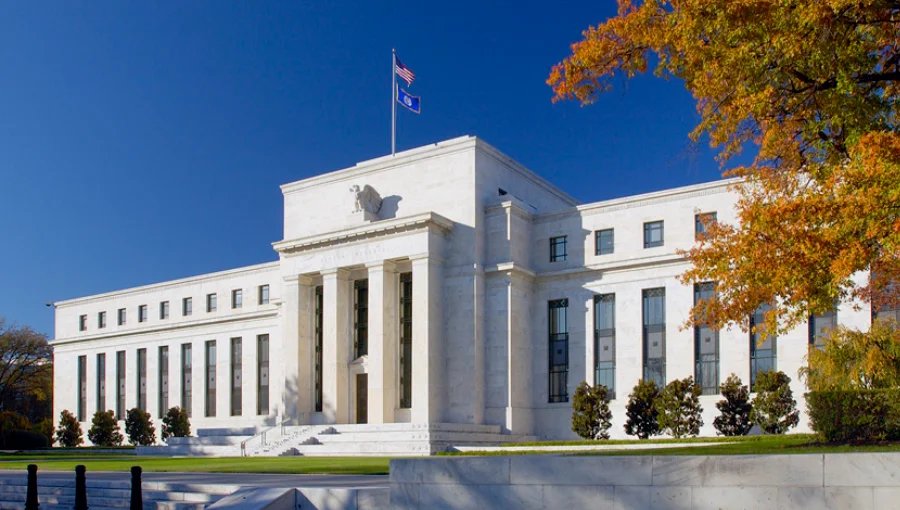
Warsh Warns Inflation Is Not Slowing Fast Enough
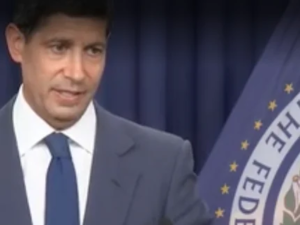
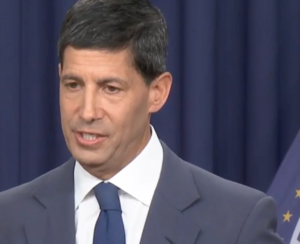
Federal Reserve Chairman Kevin Warsh used his keynote address at the central bank’s annual Jackson Hole symposium on Friday to deliver a blunt message: inflation remains stubbornly above target, and the Fed is not ready to declare victory. “We are not seeing meaningful disinflation,” Warsh said, adding that policymakers must be “confident” price pressures are cooling before easing policy. If that confidence does not materialize, he stressed, “we have work to do.”
Warsh’s remarks come amid growing market speculation that the Fed could begin cutting rates later this year. However, his hawkish tone suggests that any near-term pivot is unlikely unless upcoming data shows a clear downward trend in core inflation, which remains above the Fed’s 2% goal.
Markets React to the Fed’s Stubborn Stance
Equities slipped in early trading following Warsh’s comments, with the Dow Jones Industrial Average and the S&P 500 both opening lower as traders trimmed bets on aggressive rate cuts. Bond yields edged higher, reflecting expectations that the Fed will keep its benchmark rate elevated for longer. The 10-year Treasury yield rose to 4.35%, up 6 basis points on the day.
For investors, the central question is whether Warsh’s tough talk is a prelude to actual policy action or simply rhetorical positioning. The Fed’s next policy meeting is scheduled for September 15-16, and the market is currently pricing in a 30% chance of a quarter-point cut, down from 45% before Warsh’s speech.
Why the 2% Target Still Looks Distant
Recent inflation readings have shown only marginal progress. The latest Consumer Price Index report, released on August 12, showed headline inflation at 3.1% year-over-year, down from 3.2% in June, but core inflation — which excludes food and energy — remained sticky at 3.4%. The Fed’s preferred gauge, the core PCE deflator, rose 2.9% in July, still well above the central bank’s target.
Warsh pointed to shelter costs and services inflation as persistent drivers. “We have seen some improvement in goods prices, but services are still running hot,” he said. He also noted that wage growth, while moderating, remains above levels consistent with 2% inflation, giving the Fed little room to loosen policy.
What Would Change the Fed’s Calculus
The key data point to watch is the August jobs report, due out on September 4. If nonfarm payrolls come in below 100,000 and wage growth decelerates, that could provide cover for a dovish shift. Conversely, a strong report with wage gains above 4% would reinforce Warsh’s hawkish stance and likely push rate-cut expectations further out.
Another factor is the upcoming September CPI print, scheduled for October 13. A surprise drop in core inflation below 3% would be a game-changer, but economists surveyed by Bloomberg see only a 20% probability of that occurring. Until then, Warsh’s message is clear: the Fed will not blink unless the data forces it to.



Comments are closed.