
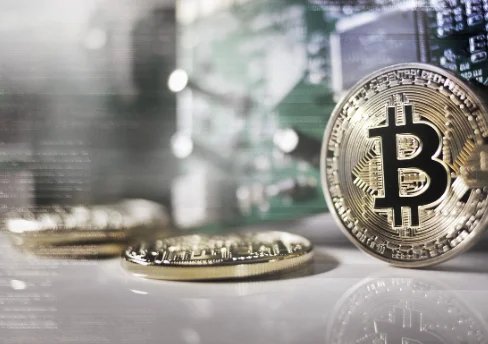
- Bitcoin and gold rallied this week as concerns over the size of U.S. sovereign debt weighed on global markets.
- Alibaba founder Jack Ma, Chairman Joe Tsai, and CEO Eddie Wu collectively bought over HK$800 million of Alibaba shares.
- Shein revised its Hong Kong IPO plans, targeting a smaller offering than previously expected.
- U.S. Treasury debt levels remain a focal point for investors seeking safe-haven assets.
Safe-Haven Assets Surge on Debt Concerns
Bitcoin and gold both posted notable gains this week, driven by persistent anxiety over the expanding size of America’s sovereign debt. The moves underscore a broader shift among investors toward assets perceived as hedges against fiscal instability and potential currency debasement. As of Thursday’s close, Bitcoin had climbed roughly 6% on the week, while spot gold advanced to near-record levels, with both markets reacting to the latest U.S. Treasury issuance data and ongoing budget deficit projections.
Alibaba Insiders Bet Big on Recovery
In corporate news, Alibaba Group Holding’s leadership has signaled strong confidence in the company’s future. Founder Jack Ma, Chairman Joe Tsai, and CEO Eddie Wu collectively purchased more than HK$800 million (approximately $102 million) of Alibaba shares over the past week. The buying spree, disclosed in regulatory filings, represents one of the most significant insider purchases by the company’s top executives in recent years. The transactions were executed in the open market, with prices ranging between HK$88 and HK$92 per share.
This insider activity comes as Alibaba continues to navigate a complex operating environment, including regulatory pressures in China and intensifying competition in cloud computing and e-commerce. The executives’ willingness to deploy personal capital is widely interpreted as a bullish signal, suggesting that they believe the stock is undervalued relative to its long-term growth prospects. Following the disclosures, Alibaba’s Hong Kong-listed shares rose approximately 3% on Thursday, while its U.S.-listed American depositary receipts (ADRs) also gained ground in pre-market trading.
Shein Scales Back IPO Ambitions
Separately, fast-fashion giant Shein has revised its plans for a Hong Kong initial public offering, opting for a smaller deal than previously anticipated. According to sources familiar with the matter, the company now aims to raise roughly $5 billion, down from earlier expectations of $10 billion or more. The adjustment reflects a more cautious approach to market conditions, particularly given heightened regulatory scrutiny of cross-border e-commerce platforms and ongoing trade tensions between the U.S. and China.
Shein’s decision to trim the offering size may also be a response to investor feedback regarding valuation. The company was reportedly seeking a valuation of around $60 billion in the new listing, a significant discount to its peak private valuation of $100 billion in 2022. The revised IPO is expected to proceed later this year, though the exact timeline remains fluid. Market observers suggest that a smaller, more attractively priced deal could help ensure a successful debut, especially in a Hong Kong market that has seen uneven demand for new listings.
Market Implications and Outlook
The convergence of these developments highlights a complex macro and micro landscape. On the macro front, the persistent rise in U.S. debt levels is likely to keep supporting gold and Bitcoin in the near term, particularly if Treasury auctions continue to show soft demand. However, investors should remain cautious, as any shift in Federal Reserve policy or a surprise improvement in fiscal metrics could trigger sharp reversals in these crowded trades.
For Alibaba, the insider purchases add to a growing list of positive signals, including share buybacks and improving earnings momentum. Yet, the stock remains sensitive to geopolitical risks and domestic regulatory actions. Meanwhile, Shein’s scaled-back IPO could set a precedent for other companies considering listings in Hong Kong, potentially leading to more realistic valuations and a healthier issuance pipeline. As always, investors are advised to weigh these factors carefully against their own risk tolerance and portfolio objectives.










Comments are closed.