
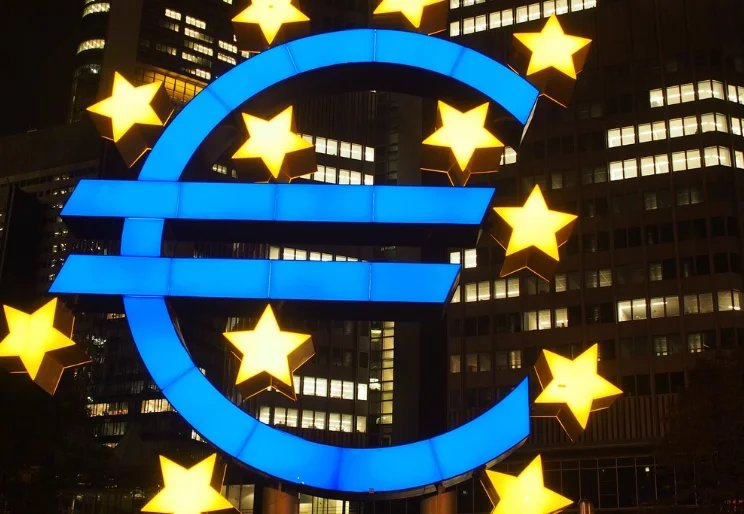
German 10-Year Yield Surges to 3.265%
Germany’s 10-year government bond yield reached 3.265% on Friday, August 28, 2026, the highest level since 2011. The move reflects a sharp repricing in European rate expectations as traders anticipate a more hawkish European Central Bank (ECB).
The yield spike comes amid rising oil prices, fueled by the ongoing Iran war, which is stoking inflation concerns across the eurozone. Higher energy costs are feeding through to consumer prices, pressuring the ECB to act more aggressively.
Hawkish ECB Bets and September Rate Hike Odds
Market pricing now implies a significant probability of a rate hike at the ECB’s September meeting, a shift from earlier expectations of a pause. According to Reuters, traders have moved to price in a 25-basis-point increase, with the yield on Germany’s 10-year Bund climbing above the 3% threshold for the first time in over a decade.
The ECB has been battling persistent inflation, and the conflict in Iran has added a new supply-side shock. Oil prices have risen sharply, with Brent crude trading above $95 per barrel, up from around $80 in early August. This has prompted a hawkish repricing in rate futures, with money markets now expecting the deposit rate to peak above 4% by early 2027.
What Higher Bund Yields Mean for Eurozone Borrowers
The rise in the German 10-year yield has direct implications for borrowing costs across the eurozone, as it serves as the benchmark for corporate and sovereign debt. Higher yields translate into more expensive financing for governments and companies, potentially slowing economic growth.
Italy’s 10-year yield also climbed, widening the spread over German Bunds to 185 basis points, reflecting investor concerns about fiscal sustainability in higher-debt countries. The ECB’s tightening path could exacerbate these divergences, testing the bloc’s cohesion.
Oil Shock and Inflation: The Iran War Factor
The recent escalation in the Iran war has disrupted oil supply routes, pushing energy prices higher. On August 27, 2026, the U.S. imposed new sanctions on Iranian oil exports, further tightening supply. This has revived inflation fears, as energy costs are a major driver of headline inflation in Europe.
The eurozone’s harmonized index of consumer prices (HICP) came in at 2.8% year-on-year in July, but the oil price surge is expected to push it back above 3% in the coming months. This scenario is forcing the ECB to prioritize inflation fighting over growth support, a stance that is reverberating through bond markets.
Market Implications and Who Is Exposed
For investors, the yield surge presents both risks and opportunities. Bond holders face capital losses as yields rise, but new buyers can lock in higher returns. German insurers and pension funds, which hold significant Bunds, are particularly exposed to mark-to-market losses.
Equities, especially rate-sensitive sectors like real estate and utilities, may come under pressure. The DAX index, Germany’s blue-chip benchmark, fell 1.2% on Friday, reflecting the risk-off sentiment. Conversely, financials and banks could benefit from wider net interest margins.
The euro strengthened to $1.08 against the dollar, up 0.4% on the day, as higher yields attract foreign capital. This could weigh on eurozone exports, adding another headwind to growth.
Watch the ECB’s September 12 Decision
The next key catalyst is the ECB’s monetary policy meeting on September 12, 2026. If the central bank delivers a hike and signals further tightening, the 10-year Bund yield could test the 3.5% level. Conversely, any dovish surprise would likely trigger a sharp pullback.
Also watch oil prices—a sustained move above $100 per barrel would cement the case for aggressive ECB action. The market will also monitor the U.S. Federal Reserve’s stance, as global yield dynamics are interconnected.







Comments are closed.