
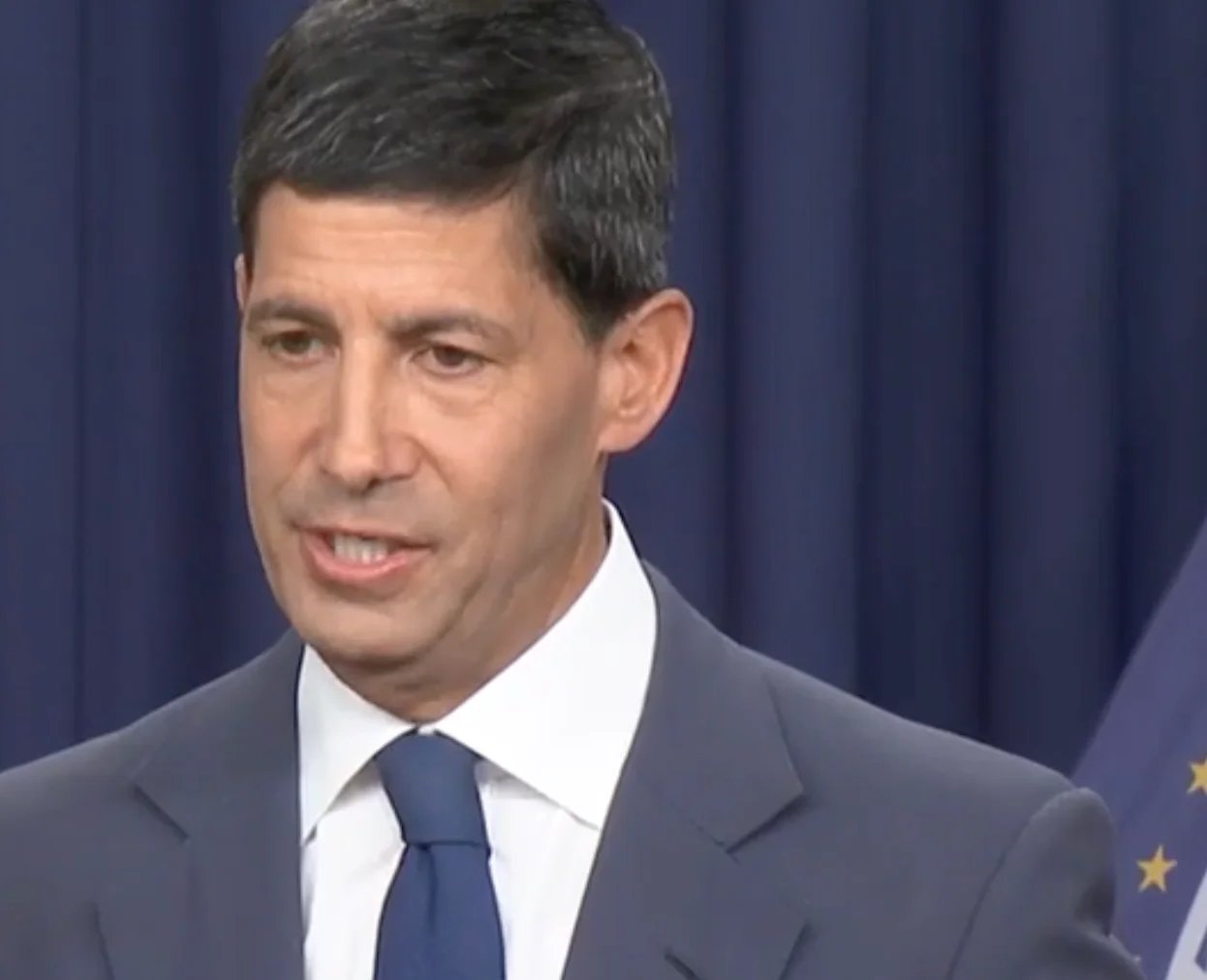
Warsh Faces Scrutiny After Treasury Intervention
Federal Reserve Chair Kevin Warsh arrives at the Jackson Hole symposium this week under heightened scrutiny, following the Treasury Department’s recent intervention in the bond market. That move, which occurred earlier in August, has blurred the traditional lines between fiscal and monetary policy, raising questions about the central bank’s independence.
Investors are now watching how Warsh navigates this delicate terrain, particularly as inflation and market volatility complicate the outlook. The annual gathering, hosted by the Kansas City Fed, runs from Thursday through Saturday in Wyoming’s Grand Teton National Park.
Fed Independence at Stake in Policy Debate
The Treasury’s intervention, which involved direct purchases of long-dated U.S. Treasuries to stabilize yields, has sparked debate about whether fiscal authorities are encroaching on the Fed’s domain. Veda Partners co-founder Henrietta Treyz noted on Bloomberg’s “This Weekend” that the move “fundamentally changes the calculus” for policymakers, as it signals a more active role for the Treasury in managing market conditions.
Warsh, a known inflation hawk, must now reassure markets that the Fed remains independent. His speech, scheduled for Friday morning, is expected to address the central bank’s commitment to price stability while acknowledging the new fiscal reality.
Inflation Data Points to Sticky Price Pressures
Recent inflation reports have shown persistent price pressures, with the July consumer price index rising 3.2% year-over-year, above the Fed’s 2% target. Core inflation, which excludes food and energy, remained elevated at 4.1%, suggesting that underlying momentum has not fully cooled.
These figures complicate the Fed’s path forward. While some policymakers have advocated for rate cuts to support a slowing labor market, others, including Warsh, have emphasized the need to complete the inflation fight. The tension between these camps will likely dominate discussions at Jackson Hole.
Market Volatility Tests Investor Confidence
Equity markets have been volatile in recent weeks, with the S&P 500 swinging between gains and losses as investors digest mixed economic signals. The VIX, a measure of expected volatility, has hovered above its long-term average, reflecting uncertainty about the Fed’s next move.
Bond markets have also been unsettled, with the 10-year Treasury yield swinging in a range of 20 basis points over the past month. The Treasury’s intervention added to this volatility, as traders questioned the implications of fiscal involvement in rate setting.
What Warsh Must Say to Reassure Markets
Analysts expect Warsh to walk a tightrope, reaffirming the Fed’s independence while acknowledging the Treasury’s role. He may also signal a willingness to hold rates steady at the September meeting, buying time to assess incoming data.
Tom Keene, host of Bloomberg Money, highlighted that the market is “listening for any hint of a pivot” in the Fed’s language. A dovish surprise could spark a rally in bonds and equities, while a hawkish stance might exacerbate sell-offs.
Geopolitical Risks Add to Economic Uncertainty
The economic backdrop is further complicated by geopolitical tensions, including ongoing conflicts in Eastern Europe and the Middle East. These factors have contributed to supply chain disruptions and energy price swings, adding to inflationary pressures.
Warsh may address these risks in his remarks, emphasizing the Fed’s data-dependent approach. However, he is unlikely to commit to a specific policy path, given the high level of uncertainty.
Key Data and Dates to Watch After Jackson Hole
The immediate focus will shift to the August jobs report, due out on September 4, which will provide fresh signals on labor market conditions. Additionally, the next Fed policy meeting on September 15-16 will be the first test of whether Warsh’s Jackson Hole message translates into action.
Investors should watch the 10-year Treasury yield and the VIX for market reactions. A sustained drop below 3.8% in the 10-year yield could signal that Warsh successfully calmed nerves, while a spike above 4.2% might indicate lingering doubts about Fed independence.









Comments are closed.