

China Yields Slide Near 1.7% On Weak Data
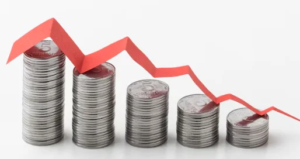
China’s 10-year government bond yield traded at 1.692% on Monday, approaching its lowest level in a year. The decline follows a set of July economic figures that trailed analysts’ estimates, deepening concerns about the pace of recovery in the world’s second-largest economy.
The soft data, released earlier in August, showed industrial production and retail sales growing slower than expected. This has prompted investors to pile into Chinese government bonds, pushing yields down as prices rise.
Warsh’s Jackson Hole Remarks Fuel Treasury Selloff
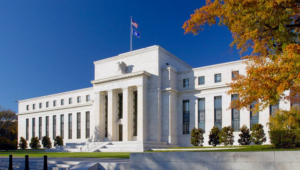
Across the Pacific, Federal Reserve Chairman Kevin Warsh struck a hawkish tone at the Jackson Hole symposium in late August. He signaled that the central bank remains focused on fighting inflation, suggesting that interest rates could stay higher for longer than markets had anticipated.
His comments, combined with growing worries about fiscal sustainability in the US, have added headwinds to Treasuries. The yield on the 10-year US Treasury has risen sharply, widening the gap between US and Chinese bond yields to levels not seen in years.
Rate Differential Drives Capital Flows And Currency
The widening yield differential—now over 300 basis points in favor of the US—has significant implications for capital flows. Higher US yields attract foreign investment, strengthening the dollar and putting pressure on the yuan. This dynamic could force China’s central bank to intervene more actively to stabilize its currency.
For Chinese policymakers, the divergence complicates their efforts to support domestic growth. Lower yields in China reflect expectations of further easing, but aggressive monetary stimulus could accelerate capital outflows, undermining the effectiveness of such measures.
Brokerages See Further Divergence Ahead
Brokerages including Great Wall Securities have warned that the divergence may widen further. They point to the contrasting monetary policy paths: while the Fed is holding rates high, China’s People’s Bank is likely to cut rates or reduce reserve requirements to boost lending.
This policy gap is not just a market curiosity—it affects global investment strategies. Fund managers are increasingly favoring US assets over Chinese ones, a trend that could persist until there’s a clear shift in either the Fed’s stance or China’s growth trajectory.
What To Watch: US Jobs Report And PBOC Moves
The immediate catalyst for the next leg of this divergence will be the US non-farm payrolls report, due on Friday, September 4. A strong jobs number would reinforce Warsh’s hawkish message, pushing Treasury yields higher and widening the gap further.
Meanwhile, investors will monitor any policy action from the People’s Bank of China, including a potential cut in the loan prime rate or reserve requirement ratio. A decisive move could signal a shift in China’s approach, but until then, the bond market divergence looks set to persist.








Comments are closed.