

OPEC+ Maintains Output Ceilings Amid Iran-Conflict Disruptions
On Sunday, 06 September 2026, OPEC+ ministers confirmed they would keep production quotas unchanged, sticking with a plan that had been widely telegraphed in recent weeks. The decision comes as the ongoing Iran war continues to shutter significant portions of Middle Eastern output, tightening the physical market even as the cartel holds back spare capacity.
The group, led by Saudi Arabia and Russia, had been debating whether to adjust quotas in response to the conflict-driven supply losses. But according to a statement released after the meeting, the prevailing view was that current production levels remain appropriate, given the uncertainty around global demand and the pace of Iranian outages.
How the Iran War Is Reshaping the Supply-Demand Balance
The war, which began in mid-August, has knocked out an estimated 1.2 million barrels per day (bpd) of Iranian exports, according to tanker tracking data. Additionally, attacks on Saudi and UAE infrastructure have disrupted at least 500,000 bpd of additional capacity, pushing total Middle Eastern outages to roughly 1.7 million bpd.
These losses have been partially offset by increased shipments from the US, Brazil, and Guyana, but not enough to prevent a drawdown in global inventories. Analysts at consultancy Energy Aspects estimate that commercial oil stocks in OECD countries fell by 40 million barrels in August, with further draws expected in September.
Brent and WTI Prices React to the Status-Quo Decision
Brent crude futures, the global benchmark, traded near $87.50 per barrel on Monday, up 2.3% from Friday’s close, after the OPEC+ announcement. West Texas Intermediate (WTI), the US benchmark, climbed to $84.20, its highest level since early July. The market had priced in a modest chance of a quota increase to cool prices, and the unchanged stance removed that possibility.
This price strength is feeding through to energy equities, with the S&P 500 energy sector gaining 1.8% in early trading. Major producers such as ExxonMobil and Chevron are seeing their shares rise as the higher price environment boosts free cash flow expectations.
What Breaks If the Conflict Escalates Further
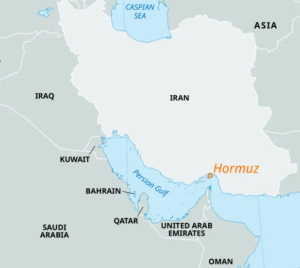
The biggest risk is a direct strike on the Strait of Hormuz, through which about 20% of global oil transits. While the US Navy has increased patrols, a closure or even a temporary disruption would send prices soaring past $100 per barrel, triggering a global inflationary shock.
OPEC+ spare capacity, which sits at roughly 3.5 million bpd, is mostly in Saudi Arabia and the UAE. However, that spare capacity is not distributed equally, and any further loss of Middle Eastern infrastructure would stretch the group’s ability to respond. The International Energy Agency has warned that the world is entering a period of “heightened supply vulnerability.”
Why Holding Quotas Steady May Be a Calculated Risk
By keeping quotas unchanged, OPEC+ is betting that the current price level is sustainable and that demand growth will continue. The group’s own monthly report, released last week, forecast global demand growth of 2.3 million bpd in 2026, but that projection could be revised downward if the conflict disrupts economic activity in Asia.
For import-dependent nations like India and Japan, the unchanged quotas mean continued upward pressure on fuel costs. Both countries have been lobbying for OPEC+ to increase production, but their appeals were ignored. In the US, the Biden administration has expressed concern over rising gasoline prices, which are approaching $4 per gallon nationally, and has hinted at strategic reserve releases if prices spike further.
What to Watch: The Next Meeting and the 90-Day Window
The next OPEC+ meeting is scheduled for 04 October, and the market will be watching for any shift in tone if the conflict persists. The key number to monitor is the weekly US inventory report: if stocks continue to draw at the current pace, the case for a quota increase will strengthen.
Meanwhile, any diplomatic breakthrough in the Iran war would likely trigger a rapid selloff, as the risk premium would evaporate. For now, the path of least resistance is higher prices, but the situation remains fluid. Traders should keep an eye on the dollar index and the October contract expiry, which could see increased volatility.




Comments are closed.