
Ursula von der Leyen’s Arctic Gambit
European Commission President Ursula von der Leyen is set to visit Greenland in the coming weeks, a trip that underscores the bloc’s strategic pivot to the Arctic as former U.S. President Donald Trump intensifies his push for greater American control of the self-governing Danish territory. The visit, first reported on Friday, comes amid a geopolitical tug-of-war over the island’s vast mineral wealth and strategic shipping lanes.
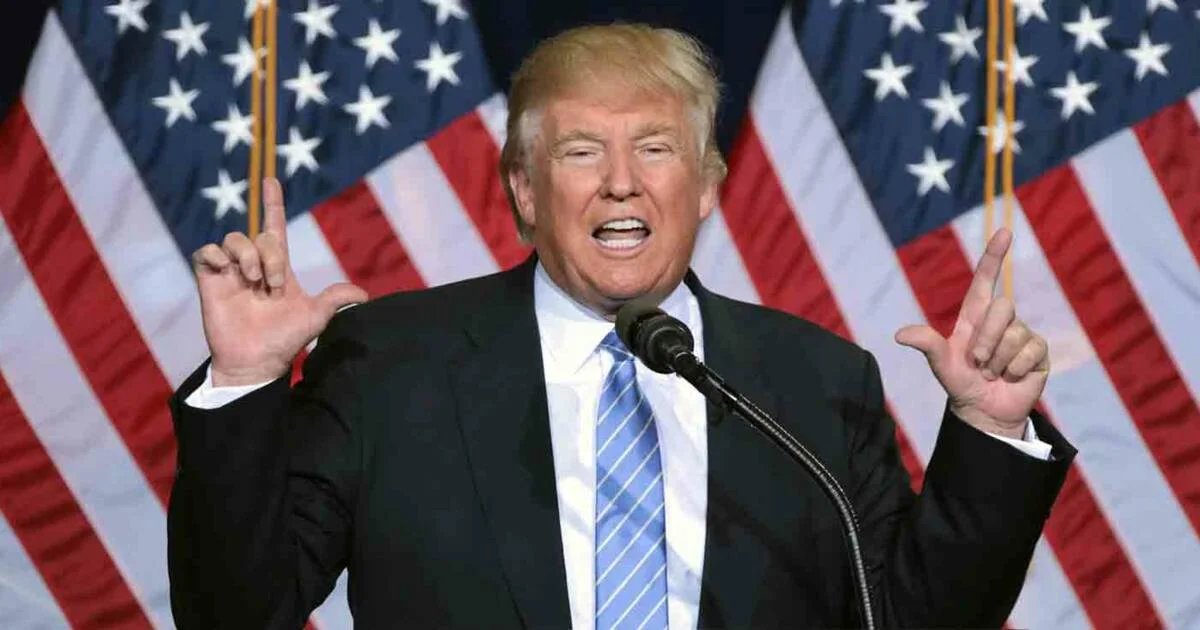
Trump, who floated the idea of buying Greenland in 2019, has recently renewed his interest, telling allies that U.S. acquisition would be “an absolute necessity” for national security. Danish officials have repeatedly dismissed the notion, with Prime Minister Mette Frederiksen calling it “absurd” in a January 2025 press conference.
Why Greenland’s Rare Earths and Shipping Lanes Matter
Greenland holds some of the world’s largest untapped deposits of rare earth elements, critical for defense systems, wind turbines, and electric vehicles. The U.S. Geological Survey estimates the island could supply up to 25% of global demand for these metals, which are currently dominated by China.
Melting sea ice is also opening new Arctic shipping routes, potentially cutting transit times between Asia and Europe by up to 40%. This has made the island a focal point for both Washington and Brussels, as they seek to secure supply chains and counter Beijing’s influence in the region.
Europe’s Countermove to U.S. Pressure
Von der Leyen’s trip is widely seen as a direct response to Trump’s overtures. By visiting Nuuk, the capital, she aims to cement EU-Greenland ties through investment and trade deals, particularly in sustainable mining and green energy. The EU already has a partnership with Greenland, signed in 2021, that funds projects in education and infrastructure.
“The EU is not in the business of buying territories, but we are committed to building strategic partnerships,” von der Leyen said in a March 2025 speech, without directly referencing Trump. Analysts say the visit could accelerate negotiations on a new raw materials agreement, which would give European firms preferential access to Greenland’s minerals.
Market Implications: Defense and Mining Stocks
The geopolitical friction has already moved markets. Shares of European defense contractors like Rheinmetall and BAE Systems have risen over the past month on increased NATO spending pledges, while mining companies with Arctic exposure, such as Greenland Minerals and Energy, have seen speculative trading spikes.
The Danish krone (DKK) has remained stable, but currency strategists at Saxo Bank note that any escalation could pressure the euro and dollar as investors flock to safe havens. “If this becomes a full-blown diplomatic crisis, we could see volatility in DKK crosses,” said John Hardy, head of FX strategy at Saxo Bank, in a note to clients.
What Would Change the Arctic Calculus
The key number to watch is the Greenlandic government’s stance on independence. A referendum on independence from Denmark, which has been discussed for years, could drastically alter the island’s legal status and complicate both U.S. and EU ambitions. Greenland’s Prime Minister Múte Bourup Egede has said a vote could happen within the next five years, but no date is set.
Also critical is the outcome of the U.S. presidential election in November 2026. If Trump returns to the White House, his administration is likely to push harder for a deal, possibly using economic leverage. If a Democrat wins, the tone may soften, but the strategic interest will remain.
Investors should watch von der Leyen’s itinerary for any concrete announcements on mining partnerships or infrastructure funding. A signed agreement with a Greenlandic or Danish entity would signal a real shift, while a vague communiqué would suggest the visit is more symbolic than substantive.









Comments are closed.