
Hong Kong’s First Five-Year Plan Centers on Yuan and Cross-Border Flows
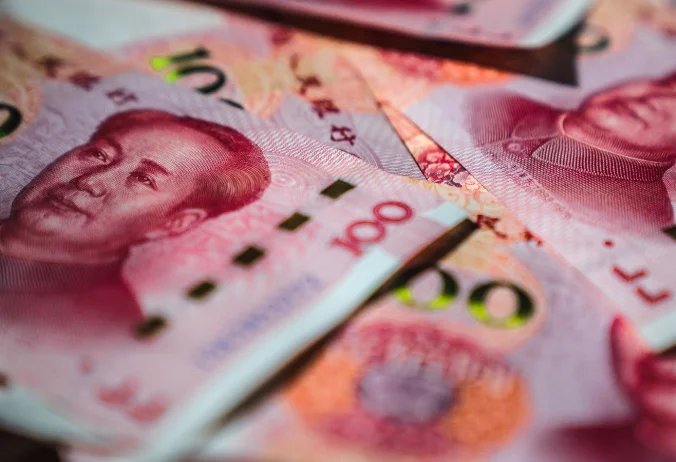
Hong Kong Chief Executive John Lee announced on Friday that the city’s inaugural five-year plan will prioritize expanding offshore yuan usage and deepening cross-border investment with mainland China. The announcement, made during a forum, marks a strategic shift as the city seeks to bolster its role as a global financial bridge.
Why Yuan Internationalization Gains Urgency Amid Global Shifts
The push comes as China accelerates efforts to internationalize the yuan, with offshore usage in Hong Kong already significant. In 2025, yuan deposits in Hong Kong reached a record high of over 1.1 trillion yuan, according to the Hong Kong Monetary Authority. This plan aims to build on that momentum, potentially increasing the yuan’s share in trade settlement and investment products.
Analysts note that Hong Kong’s unique position as the largest offshore yuan clearing hub gives it a competitive edge. The city handled about 75% of global offshore yuan payments in 2025, a figure that could rise with new policy support. Cross-border investment schemes like Stock Connect and Bond Connect are expected to be expanded, offering more channels for mainland capital to flow into global markets via Hong Kong.
What Expanded Offshore Yuan Usage Means for Investors
For global investors, a deeper offshore yuan market in Hong Kong could mean more diversified products, including yuan-denominated bonds, equities, and derivatives. The plan may also ease restrictions on yuan conversion and introduce new tools for hedging currency risks. This would provide a safer and more liquid environment for multinational corporations operating in the region.
Market participants are watching for specific policy measures, such as increasing the daily yuan conversion quota for individuals and businesses, which currently stands at 20,000 yuan per person per day. Any relaxation could spur retail participation. Additionally, the expansion of cross-border investment schemes might lower entry barriers for mainland investors seeking overseas assets.
Market Context and Potential Impact on Hong Kong’s Financial Sector
The announcement comes at a time when Hong Kong’s economy is recovering from a property slump and sluggish consumption. In 2025, the city’s GDP grew 2.8%, below the government’s 3% target, and the Hang Seng Index has struggled to sustain rallies. The five-year plan could provide a long-term structural boost, diversifying revenue streams beyond property and tourism.
Chinese authorities have also been promoting the yuan as an alternative to the US dollar in trade settlements, especially with Russia and Middle Eastern nations. In 2025, the yuan accounted for a record 4.5% of global payments, up from 3.2% a year earlier, according to SWIFT data. Hong Kong’s role in this growth is pivotal, as it processes the majority of offshore yuan transactions.
What to Watch in the Coming Months
Investors should monitor the release of the full five-year plan details, expected by early 2027, and any immediate policy announcements from the Hong Kong Monetary Authority or the People’s Bank of China. Key indicators include the next quarterly data on yuan deposits and trade settlement volumes in Hong Kong.
A specific number to watch is whether yuan deposits exceed 1.3 trillion yuan by mid-2027, which would signal strong implementation. Also, watch for changes in the Stock Connect quotas or the introduction of new yuan-denominated products on the Hong Kong Stock Exchange. Any delay in policy rollout could temper market enthusiasm, but the direction is clear: Hong Kong is doubling down on its role as the global hub for offshore yuan and cross-border investment.









Comments are closed.