
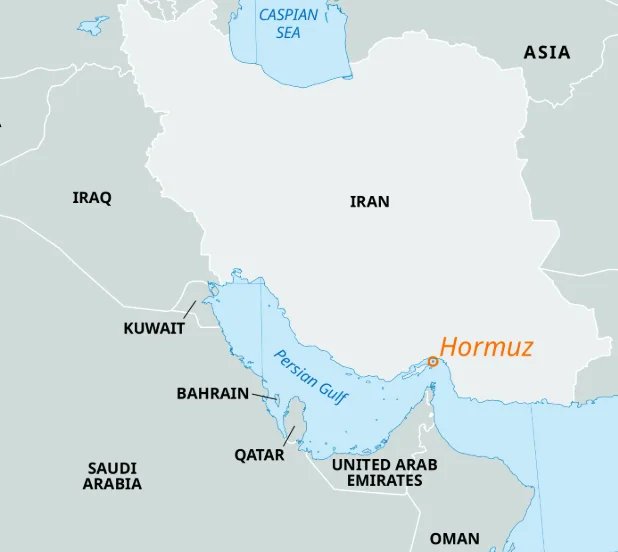
Hormuz Chokepoint Loss Reshapes Crude Logistics
The Strait of Hormuz, which handled close to 20 million barrels of crude and condensate daily before the first U.S. and Israeli strikes on Iran, has become the epicenter of a structural shift in global oil trade. As of early September 2026, the strait remains a high-risk zone, forcing exporters and importers to accelerate diversification plans that were once considered contingency scenarios.
With the war in the Middle East showing no sign of de-escalation, the oil market is pricing in a prolonged disruption. Brent crude futures have rallied for several consecutive weeks, and analysts warn that the current supply chain adjustments may become permanent features of the energy landscape.
Exporters Reroute Pipelines and Ports Amid Conflict
Regional producers, particularly Saudi Arabia, Iraq, and the UAE, are actively seeking alternative export pathways. Saudi Arabia has been expanding its Red Sea terminals and has increased reliance on the East-West pipeline, which can bypass Hormuz with a capacity of around 5 million barrels per day. Iraq is pushing to revive its Kirkuk-Ceyhan pipeline, though security and political hurdles remain.
The UAE has accelerated investments in the Fujairah port on the Gulf of Oman, which sits outside the strait, and is expanding its storage and loading capabilities. These moves are not short-term patches; they reflect a strategic pivot to reduce exposure to a chokepoint that now carries significant war risk.
Importers Scramble to Lock In Non-Gulf Supply
Asian refiners, the biggest buyers of Gulf crude, are diversifying their portfolios. India, China, and South Korea have increased imports from the Atlantic Basin—particularly West African, Brazilian, and U.S. grades—while also exploring new term deals with producers in the Americas and the North Sea. The shift is visible in shipping data: tanker rates for non-Gulf routes have spiked as demand for alternative supply rises.
Japan and South Korea, which rely heavily on Gulf imports, are also drawing down strategic reserves and investing in more flexible refining feedstock. This diversification is not merely a response to current prices but a hedge against the possibility that Hormuz remains partially closed for months or even years.
Price Outlook: Volatility Persists With War Premium
As of Sunday, September 6, 2026, Brent is trading above $95 per barrel, with analysts estimating a war premium of $10–$15 per barrel. The market is highly sensitive to any news from the conflict, and headlines can move prices by several dollars in minutes. The weekly gain is the fifth consecutive one, marking the longest winning streak since the start of the year.
The risk of further escalation remains high. If Iran retaliates by targeting shipping lanes beyond the strait, or if the conflict draws in other regional players, prices could surge toward $110. Conversely, a diplomatic breakthrough—however unlikely—would likely erase the war premium quickly, but the structural changes in trade routes would persist.
What to Watch Next: The Next OPEC+ Meeting and Hormuz Reopening
The key number to monitor is the daily flow through Hormuz. If it remains below 10 million barrels for a full month, the market will conclude that the disruption is not temporary, reinforcing higher prices. The next OPEC+ meeting, scheduled for late September, will be scrutinized for whether the group can compensate for lost Iranian barrels and whether members like Saudi Arabia have the spare capacity to calm markets.









Comments are closed.