
White House Puts Warsh In Crosshairs As Fed Decision Looms
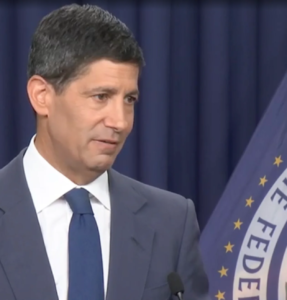
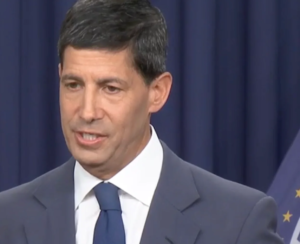
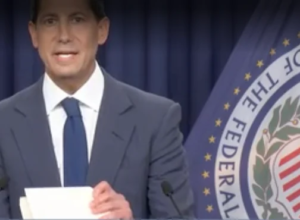
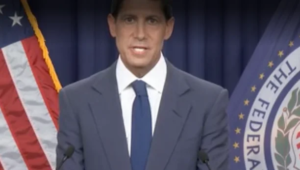
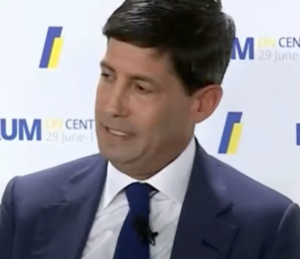
With the September Federal Reserve meeting now just ten days away, the Trump administration has intensified its campaign against a potential rate hike, according to sources familiar with the matter. The pressure campaign, which has been building for weeks, appears to target Fed Governor Kevin Warsh, a key swing vote on the Federal Open Market Committee (FOMC).
The move comes as markets remain divided on whether the central bank will raise its benchmark rate for the first time since July 2023, when it lifted rates to a range of 5.25%-5.50%. Futures traders currently price in a 42% probability of a quarter-point hike, according to CME FedWatch data as of Friday, September 4, 2026.
Why Warsh’s Vote Is Critical To The Rate Path
Warsh, who joined the Fed in 2025 after a controversial nomination, has emerged as a pivotal figure in the rate debate. His public statements have been hawkish on inflation, but sources suggest he is wary of disrupting economic growth ahead of the 2026 midterm elections. Without his vote, a hike would likely fail, as the FOMC has shown a 7-5 split in recent meeting minutes.
The administration’s pressure includes private meetings and public statements, with President Trump reportedly calling for lower rates to boost manufacturing and housing sectors. However, Fed Chair Jerome Powell has repeatedly emphasized the central bank’s independence, stating in August that political considerations play no role in policy decisions.
Market Signals Show Growing Divergence In Rate Expectations
Bond markets are already reacting to the uncertainty. The yield on the 10-year Treasury note has fluctuated sharply, closing at 4.12% on Friday, down 8 basis points from a week earlier, as traders hedge against a possible no-hike outcome. Meanwhile, the S&P 500 has remained resilient, up 1.2% over the past five trading sessions, suggesting equity investors are not pricing in a hawkish surprise.
In the futures market, fed funds futures for September show a 58% chance of no change, but December contracts imply a 65% probability of at least one hike by year-end. This divergence indicates that even if the Fed stands pat this month, a hike in November or December remains on the table.
What A Rate Hike Would Mean For Borrowers And Savers
If the Fed does hike, the impact would be immediate for variable-rate borrowers, including those with credit card debt and home equity lines of credit. A quarter-point increase would add approximately $25 in annual interest for every $10,000 of debt, according to Bankrate data. Conversely, savers could see modest gains in high-yield savings accounts, which have already climbed to an average of 4.35%.
However, a hike would also tighten financial conditions, potentially slowing housing activity, which has shown signs of cooling in recent months. Existing home sales fell 3.1% in July, and mortgage applications have dropped to a 24-year low, according to the Mortgage Bankers Association.
The Clock Ticks Down To The September 16 Decision
The Fed’s next policy announcement is scheduled for Wednesday, September 16, 2026, followed by a press conference by Chair Powell. Analysts will be scrutinizing the statement for any shift in language regarding the balance of risks between inflation and employment.
One key number to watch is the core PCE inflation index, which is the Fed’s preferred gauge. The latest reading, released on August 28, showed a 2.7% year-over-year increase, still above the Fed’s 2% target but lower than the 3.0% peak in early 2024. If inflation continues to trend downward, pressure on the Fed to hike may ease, but if the upcoming CPI report for August, due September 13, surprises to the upside, a hike becomes more likely.
Another critical factor is the jobs report for August, scheduled for release this Friday, September 11. A strong jobs number would give the Fed cover to hike, but a weak one could bolster the case for patience.
As the political and economic pressures converge, all eyes will be on Warsh and his fellow FOMC members. Whether they choose to raise rates or hold steady, the decision will reverberate through markets and Main Street alike. For now, the only certainty is uncertainty—until the Fed speaks on September 16.




Comments are closed.