
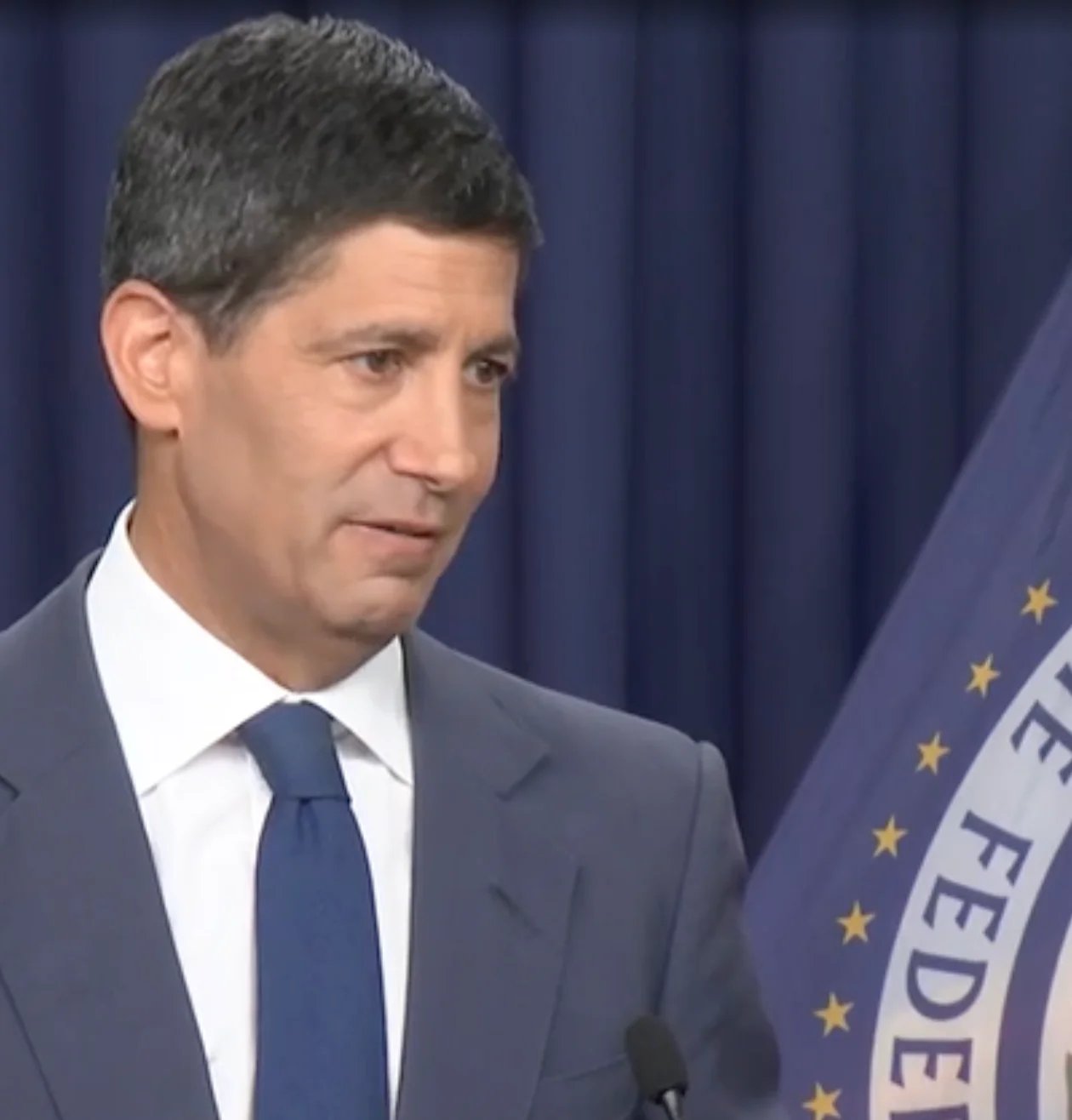
August Payrolls Beat Expectations, Tightening Labor Market
The U.S. economy added 162,000 nonfarm jobs in August, according to the Labor Department’s report released Friday, September 4, 2026. This figure surpassed consensus forecasts of around 140,000, signaling resilience in the labor market despite elevated borrowing costs.
The unemployment rate ticked down to 4.2% from 4.3% in July, while average hourly earnings rose 0.4% month-over-month, pushing the annual wage growth rate to 3.8%. Participation rate held steady at 62.7%, suggesting that wage pressures are not being driven by a surge in new workers.
The report lands just weeks before the Federal Reserve’s September 17-18 policy meeting, where officials will decide whether to raise the benchmark interest rate again. Prior to the data, futures markets priced in roughly a 30% chance of a 25-basis-point hike; after the release, that probability jumped to 48%.
Rate Hike Probability Jumps to 48% After Strong Data
The stronger-than-expected payrolls figure is a double-edged sword for the Fed. On one hand, it validates the central bank’s view that the economy can withstand higher rates. On the other, it complicates the inflation fight, as a tight labor market historically fuels wage-driven price pressures.
According to CME Group’s FedWatch tool, the odds of a September hike surged from 30% to 48% within hours of the report. For the December meeting, the probability of at least one cumulative hike now stands at 72%.
“This is a game-changer for the September meeting,” said a senior economist at a major U.S. bank, speaking on condition of anonymity. “The Fed was leaning toward a pause, but this data gives hawks the ammunition they need.”
Sector Breakdown Reveals Broad Gains, But Housing Weakness Persists
Job gains were broad-based, with healthcare adding 42,000 positions, professional and business services adding 28,000, and construction adding 18,000. Manufacturing, however, shed 5,000 jobs, reflecting ongoing weakness in the goods-producing sector.
Leisure and hospitality, a key driver of post-pandemic recovery, added 22,000 jobs but still remains 1.5% below its February 2020 peak. The retail sector saw a modest gain of 9,000, while government employment rose by 15,000.
Housing-related employment continued to lag, with residential building construction losing 2,000 jobs for the third consecutive month. This aligns with the recent slump in home sales and builder sentiment, as mortgage rates hover near 7%.
Wage Growth Accelerates, Adding Pressure on the Fed’s 2% Target
Average hourly earnings rose 0.4% in August, double the prior month’s pace, and the year-over-year rate accelerated to 3.8% from 3.6%. This uptick is concerning for policymakers who fear that sustained wage growth above 3.5% could keep core inflation stuck above the Fed’s 2% target.
Productivity gains, which had partially offset wage costs earlier in the cycle, have slowed to a 1.1% annualized rate in Q2 2026. If that trend persists, the pass-through to consumer prices becomes more direct.
Treasury yields reacted sharply, with the 10-year note jumping 8 basis points to 4.22% and the 2-year yield up 11 basis points to 4.65%. The dollar index rose 0.3% against a basket of major currencies.
Market Reaction: Equities Mixed, Tech Especially Vulnerable
Equity markets opened mixed, with the S&P 500 down 0.2% and the Nasdaq Composite off 0.5%, as higher rate expectations weighed on growth stocks. Conversely, the Dow Jones Industrial Average gained 0.1%, supported by financials and industrials.
Rate-sensitive sectors like real estate and utilities were hit hardest, with the SPDR Real Estate Select Sector ETF falling 1.2%. The financial sector, meanwhile, rallied 0.8% on the prospect of higher net interest margins.
Bond yields are now trading near multi-year highs, and the yield curve remains inverted by 43 basis points (2-year vs. 10-year). This inversion, historically a recession signal, has persisted for over 18 months, yet the labor market continues to defy recession bets.
What to Watch: Fed’s Powell Speech and CPI Data Next Week
All eyes now turn to Fed Chair Jerome Powell’s scheduled speech on Tuesday, September 8, at the Economic Club of Washington. Any hint of a hike in his prepared remarks will likely cement the 48% probability into a near-certainty.
The other critical input is the August Consumer Price Index, due out on September 16, just one day before the Fed’s decision. If core CPI comes in above 3.2% year-over-year, the case for a hike becomes compelling. Should it fall below 3.0%, the hawks may lose momentum, keeping rates unchanged.








Comments are closed.