
Bessent’s Countdown: Tehran’s Crude Cushion Is Shrinking
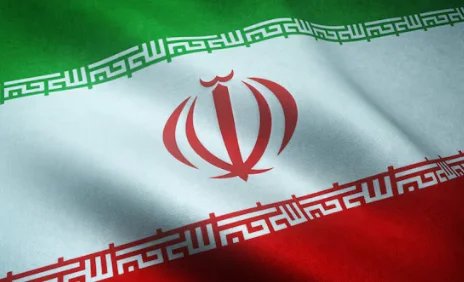
Treasury Secretary Scott Bessent signaled on Bloomberg This Weekend that Iran has roughly 30 million barrels of crude left available for potential Chinese buyers, a figure that crystallizes the administration’s strategy of economic strangulation. The number, disclosed on Sunday, September 6, 2026, underscores how close Tehran is to the edge of its fiscal cliff, with sanctions and a naval blockade tightening the noose around its export lifeline.
That 30-million-barrel inventory is not just a stockpile—it’s a measure of how many months Iran can sustain its current spending, assuming China continues to take deliveries. At recent export rates of roughly 1.5 million barrels per day, that cushion would evaporate in about three weeks if the flow were fully cut, though Tehran likely retains some flexibility through storage and barter arrangements.
Why the Blockade Tests More Than Iran’s Reserves
The campaign is as much about endurance as it is about barrels. Washington is betting it can outlast Tehran while navigating a delicate relationship with Beijing, which has been the primary buyer of Iranian crude despite U.S. sanctions. China’s appetite for discounted barrels has kept Iran afloat, but Bessent’s remarks suggest the administration believes it can squeeze that channel without triggering a broader diplomatic rupture.
The blockade also carries domestic political weight. With U.S. gasoline prices already elevated and midterm elections looming in November, the administration risks a political backlash if the pressure campaign sends oil prices higher. That tension—between crushing Iran’s revenues and keeping pump prices stable—is the crux of the endurance test, and it explains why the administration has so far avoided direct military confrontation.
Crude Markets: 30 Million Barrels and the Price Floor
Oil markets are already pricing in a tighter supply outlook. Brent crude has hovered near $78 per barrel, while West Texas Intermediate futures trade around $74, with traders watching for any sign of a breakthrough or breakdown in the standoff. The 30-million-barrel figure is small relative to global inventories of roughly 3 billion barrels, but it is strategically significant: it represents the last tranche of Iranian exports that can flow without triggering a full-blown crisis.
If the blockade fully halts those exports, the market could see a supply gap of roughly 1.5 million barrels per day, which would likely push prices higher and test the resilience of OPEC+ spare capacity. Conversely, if Tehran finds a backdoor to bypass sanctions—through shadow fleets or Chinese refining hubs—the pressure campaign would lose its teeth, and crude could slide as the risk premium unwinds.
Who Wins, Who Loses in the Endurance Game
The clear winners if the pressure persists are U.S. shale producers, who benefit from higher prices and a reduced Iranian presence in the Asian market. Also gaining are non-Iranian OPEC members, particularly Saudi Arabia and the UAE, which can fill some of the void with their own spare capacity. On the losing side are Chinese independent refiners, who have relied on Iranian barrels to undercut state-owned competitors, and Tehran itself, which faces accelerating inflation and a currency that has already lost significant ground against the dollar.
The administration’s calculus is that Iran’s economy will crack before U.S. political resolve does. That bet hinges on whether China can be persuaded to reduce its purchases—or whether Tehran can find creative ways to circumvent the blockade. Bessent’s comment suggests Washington believes it has the upper hand, but the history of sanctions campaigns against Iran shows that endurance is rarely a straight line.
What to Watch Next: The China Factor and the November Deadline
The next critical signal will come from Beijing’s response to U.S. pressure. If Chinese customs data for August, due later this month, show a sharp drop in Iranian imports, the blockade is working; if the barrels keep flowing under new disguises, the strategy may need recalibration. The second marker will be the U.S. midterm elections on November 3, which will test whether the administration can maintain the pressure without paying a political price at the pump. Watch for any release from the Strategic Petroleum Reserve or a diplomatic overture to Tehran—either would signal a shift in the endurance calculus.




Comments are closed.