

US, Japan, South Korea Bet on Reactors for AI Era
On September 6, 2026, a new strategic alignment is emerging in Northeast Asia: Japan and South Korea, historically wary of nuclear cooperation, are now aligning with the United States to expand atomic power as a cornerstone of their energy security. The shift, driven by the insatiable electricity appetite of artificial intelligence data centers and the fallout from the Iran war, has turned nuclear energy into a geopolitical lever as much as a clean-power source.
Both Tokyo and Seoul have formally prioritized nuclear in their latest energy roadmaps. Japan, which had idled most of its fleet after the 2011 Fukushima disaster, has restarted 12 reactors since 2023 and plans to bring another 10 online by 2030. South Korea, under President Yoon Suk-yeol’s push, reversed its phase-out policy and now targets 30% nuclear generation by 2036, up from 28% in 2025.
Why AI Data Centers Are Driving the Nuclear Revival
The immediate catalyst is the AI boom. Global data center electricity demand is forecast to grow 15% annually through 2030, according to the International Energy Agency, and hyperscalers like Microsoft, Amazon, and Google have each signed nuclear power purchase agreements since 2025. In the U.S., the Department of Energy projects that nuclear capacity must double by 2050 to meet decarbonization and AI load growth.
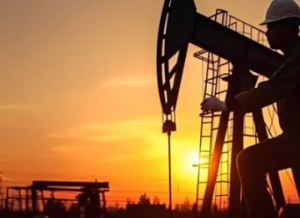
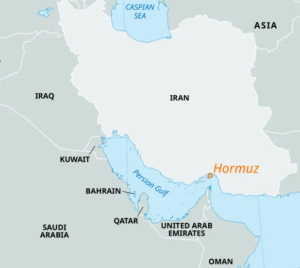
This demand is colliding with a fossil fuel supply shock. The ongoing Iran war, which escalated in mid-2026, has disrupted oil and LNG shipments through the Strait of Hormuz, spiking energy prices and forcing import-dependent economies like Japan and South Korea to accelerate alternatives. Nuclear offers a home-grown, baseload solution that insulates them from volatile international fuel markets.
Three-Way Alliance Shifts the Geopolitics of Reactor Exports
Previously, nuclear cooperation between Japan and South Korea was minimal, with historical grievances and competing reactor designs blocking joint projects. That is changing. In August 2026, the three governments announced a trilateral framework to harmonize safety standards and co-develop next-generation small modular reactors (SMRs) for export to Southeast Asia and the Middle East.
This alliance directly challenges Russia and China, which have dominated reactor exports in recent years. Russia’s Rosatom currently builds 19 reactors abroad, but Western sanctions and the Iran war have made its supply chain unreliable. The U.S.-Japan-South Korea pact aims to offer a credible alternative, with combined annual export capacity of 12 GW by 2030.
For investors, the move signals a structural bid for uranium and nuclear engineering firms. Cameco (CCJ), the world’s largest listed uranium producer, has seen its stock rally 34% year-to-date as utilities lock in long-term supply. Meanwhile, U.S. utilities like NextEra Energy (NEE) are positioned to benefit from federal loan guarantees for new nuclear, although their exposure is more indirect.
The 8.6 Trillion Won Problem: Financing New Reactors
But the nuclear revival faces a classic hurdle: cost. A single large-scale reactor can take 10-15 years to build and cost upwards of $10 billion. South Korea’s latest APR-1400 units at Shin-Hanul, started in 2017, are only now nearing completion, with cost overruns of 20%.
To bridge this gap, Japan’s Ministry of Economy, Trade and Industry (METI) proposed in July 2026 a public-private fund to underwrite reactor construction, similar to the U.S. Inflation Reduction Act’s production tax credits. South Korea is expected to pass a special nuclear finance bill by Q1 2027, allocating 8.6 trillion won (about $6.2 billion) to support SMR development and export financing.
If those funds materialize, they could compress construction timelines and make nuclear more competitive against natural gas, which currently generates electricity at $45 per MWh versus nuclear at $60 per MWh in the region. Without subsidies, utilities may balk.
Watch for First Trilateral SMR Permit by March 2027
The next concrete milestone is the first joint SMR design certification, expected from the U.S. Nuclear Regulatory Commission by March 2027. If that date slips, it would signal that regulatory harmonization is harder than political rhetoric. Conversely, a successful permit would unlock a pipeline of orders from Vietnam and the Philippines, both of which have expressed interest in 2026.
Investors should also monitor uranium spot prices, which are hovering near $82 per pound—up 40% from 2025 lows. A sustained breakout above $95 would confirm that the alliance is translating into real fuel demand. Until then, the nuclear pact remains a promising blueprint, but one that must overcome the financial and regulatory inertia that has plagued every previous reactor wave.

Comments are closed.