
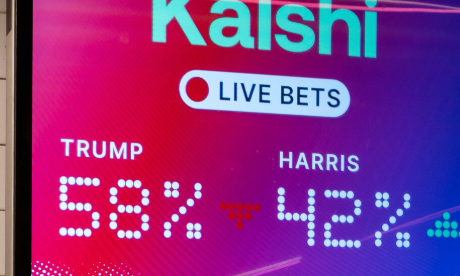
Economic Predictions Under Scrutiny
Treasury Secretary Scott Bessent recently expressed optimism for the U.S. economy, predicting a robust 3% GDP growth for 2023. However, this forecast has met skepticism from traders on the Kalshi platform, who seem less confident about reaching such a target this year.
Kalshi traders, who bet on economic outcomes, are suggesting that the likelihood of a booming economy may be overestimated. Current market analytics indicate a more tempered view, with many traders pricing in a less optimistic growth trajectory. This divergence in opinion highlights the growing disconnect between government forecasts and market sentiment.
Understanding Kalshi’s Market Dynamics
Kalshi operates as a prediction market where participants can trade on the outcomes of various economic events. The platform’s current trading data reveals that a significant majority of participants do not foresee the economy achieving Bessent’s anticipated growth rate. This sentiment is likely influenced by factors such as high inflation rates, fluctuating interest rates, and ongoing geopolitical tensions.
The U.S. economy has faced several challenges in the past year, including the Federal Reserve’s aggressive monetary policy aimed at curbing inflation, which hit a 40-year high of 9.1% in June 2022. Although inflation has moderated somewhat, it remains above the Fed’s target of 2%. The potential for recession looms as consumers show signs of caution, impacting spending and investment.
As of now, Kalshi traders are pricing in a probability of less than 30% for the economy to reach Bessent’s 3% growth forecast. This indicates a significant level of uncertainty regarding the economic outlook, reflecting broader concerns among investors and market participants.
Market Reactions and Broader Implications
The reaction to Bessent’s forecast is emblematic of a broader skepticism in financial markets. Recent stock market performance, evidenced by the S&P 500 and Dow Jones Industrial Average movements, shows that investors are adopting a cautious stance. As of late September 2023, the S&P 500 has seen fluctuations, remaining roughly flat year-to-date, highlighting the prevailing uncertainty in the economic landscape.
Analysts suggest that while Bessent’s prediction may be rooted in optimism, the realities of slowing consumer demand and potential increases in unemployment could derail any hopes of robust growth. The Fed’s upcoming policy decisions will also play a critical role in shaping the economic outlook, particularly if inflation remains stubbornly high.
Furthermore, the ongoing conflict in Ukraine and tensions with China add geopolitical risks that could further impact economic stability. Many analysts are advocating for a more conservative approach to forecasting, urging businesses and investors to prepare for a range of potential outcomes.
Conclusion and Future Outlook
As the year progresses, the gulf between government predictions and market perceptions could widen. Bessent’s optimistic outlook faces significant headwinds, as reflected in trading activity on platforms like Kalshi. The current economic environment remains complex, with several variables at play that could influence growth.
Investors and market participants should remain vigilant and continue monitoring economic indicators closely, particularly as we approach crucial data releases and Fed meetings. The divergence in expectations between Bessent and Kalshi traders underscores the challenges in navigating this uncertain economic landscape.











Comments are closed.