
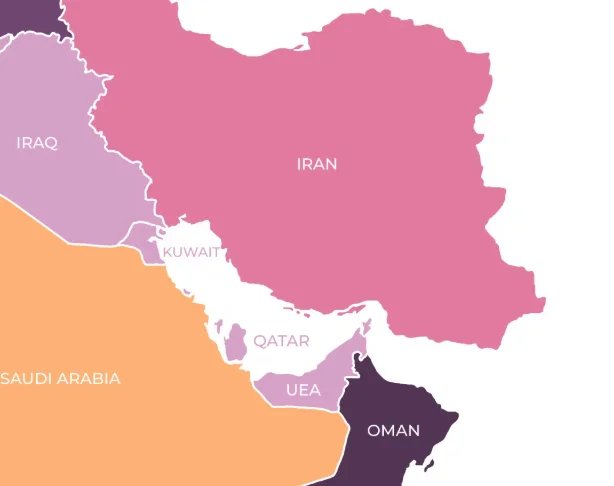
Iran’s Complex Power Structure
Iran’s political landscape is marked by a multitude of power centers, each wielding different degrees of influence. At the top is the Supreme Leader, Ali Khamenei, whose authority extends over all branches of government and the military. Below him, the Islamic Revolutionary Guard Corps (IRGC) has significant sway, especially in military and economic matters. This structure complicates the prospect of enforcing a ceasefire amidst ongoing tensions with the U.S.
The Role of the IRGC in Ceasefire Dynamics
The IRGC, which operates independently from Iran’s conventional military, plays a pivotal role in the country’s foreign policy and military strategy. With its vast network of influence across the Middle East, the IRGC is a key player in Iran’s response to external pressures. Their resistance to U.S. influence complicates negotiations and creates an environment where a cohesive Iranian response to any ceasefire proposal is unlikely.
Moreover, the IRGC’s economic interests further entangle its political motives. Engaged in various sectors, including oil and construction, the IRGC’s financial dependencies make any concession difficult. A ceasefire might risk undermining these interests, which the IRGC is unlikely to accept, increasing the chances of continued hostilities.
The Supreme Leader’s Dilemma
Supreme Leader Khamenei’s position is precarious, balancing between the hardline factions of the IRGC and other political groups that might favor a diplomatic approach. His historical stance has been against direct negotiations with the U.S., viewing them as a sign of weakness. This ideological rigidity creates barriers to a unified Iranian approach to ceasefire discussions.
Khamenei must also consider public sentiment, which is often swayed by nationalistic rhetoric. Any perception of capitulation could lead to significant backlash from hardline supporters. As a result, the Supreme Leader’s decisions are heavily influenced by internal political dynamics, which complicates the possibility of a ceasefire.
International Implications of Iran’s Power Struggles
The fragmentation of power within Iran not only impacts its internal politics but also has significant international ramifications. As the U.S. continues to apply pressure through sanctions, Iran’s leadership may respond unpredictably. This unpredictability can escalate tensions in the region, affecting global oil markets and creating ripples across international trade routes.
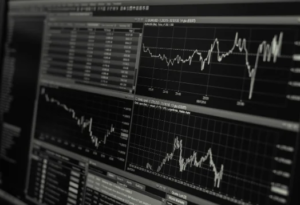
In the context of rising oil prices, any escalation could lead to supply chain disruptions, impacting global markets. For investors, this presents a dual-edged sword; while some may benefit from rising oil prices, the uncertainty can lead to increased volatility across markets.
What Investors Should Watch Next
Moving forward, investors should closely monitor key developments regarding U.S.-Iran relations, particularly any indications of a shift in Khamenei’s stance towards negotiations. The dates of upcoming diplomatic discussions or significant events involving the IRGC could serve as potential inflection points for market reactions.
In particular, the upcoming oil production meetings and any announcements from OPEC+ may provide context on how these geopolitical tensions are shaping market fundamentals. A definitive sign of a ceasefire or renewed negotiations could lead to market fluctuations, emphasizing the need for vigilance in tracking Iran’s complex power dynamics.




Comments are closed.