
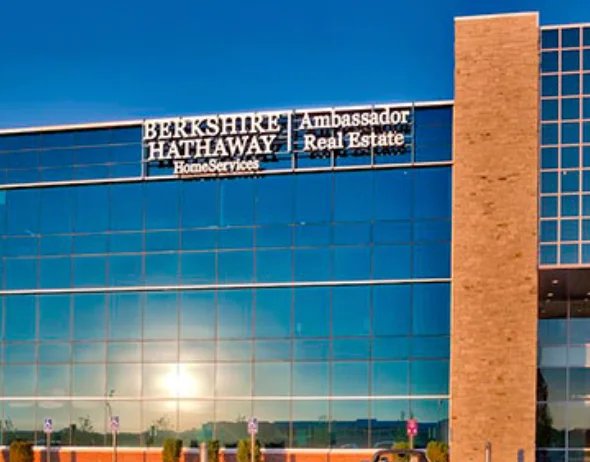
Berkshire Buybacks Surge as Abel Reshapes Portfolio
Berkshire Hathaway accelerated its share repurchases and trimmed its cash pile in the second quarter, even as operating profit beat analyst estimates. The company bought back $4.5 billion of its own stock in April–June and an additional $3.3 billion in July, stepping up the buyback program that resumed in March after a nearly two-year pause.
Why Buybacks Signal a Shift in Capital Strategy
The buyback acceleration, paired with a swing to net stock buying in the public markets, marks a departure from the cautious stance that defined the post-pandemic era. Berkshire bought nearly $20 billion more in shares than it sold, ending a fourteen-quarter streak as a net seller. That shift suggests Greg Abel, who took over as CEO at the start of 2026, is willing to deploy capital aggressively when valuations align with his intrinsic-value discipline.
Investors have long associated such buyback activity with Warren Buffett’s approach, and Abel appears to be following that playbook. The $7.8 billion repurchased in the second quarter and July combined represents a meaningful return of capital to shareholders, especially after the company’s cash pile had grown to record levels. The reduction in cash holdings, while not disclosed in the quarter’s earnings release, is implied by the deployment into buybacks and new equity stakes.
Alphabet Stake Grows to Top-Tier Holding
Berkshire also added $10 billion to its stake in Alphabet, the parent of Google and YouTube, during the quarter. That purchase makes Alphabet one of Berkshire’s largest holdings by market value, a notable bet on the tech sector at a time when many value-oriented investors remain wary of mega-cap valuations. The increased stake reflects Abel’s willingness to concentrate capital in businesses with strong cash flows and durable competitive advantages.
The move also diversifies Berkshire’s portfolio beyond its traditional insurance and industrial anchors. With Alphabet’s advertising revenue facing cyclical pressures, the timing of the purchase suggests Abel sees long-term value in the company’s search dominance and cloud growth potential. The $10 billion addition is significant relative to Berkshire’s typical position sizes, underscoring the CEO’s conviction.
Operating Profit Rises 16% on Rail and Services Gains
Quarterly operating profit climbed 16% to $12.98 billion, beating analyst expectations. Revenue increased 10% to $101.81 billion, driven by improvements at BNSF railroad and service businesses like NetJets, the luxury aircraft operator, and electronic-components distributor TTI. These gains partially offset weakness at Geico, the auto insurer, where claims costs and competitive pressures continue to weigh on underwriting results.
The BNSF performance is notable because railroads are a bellwether for freight demand and economic activity. Stronger volumes and pricing at BNSF suggest resilience in the industrial economy, even as other sectors show signs of cooling. NetJets’ recovery reflects renewed demand for private aviation, a niche that had softened during the pandemic’s aftermath.
Cash Flow and Capital Spending Outlook
Operating cash flow for the first half reached $21.7 billion, against $10.6 billion of capital spending. Berkshire Hathaway Energy and BNSF accounted for the bulk of that outlay, with roughly $8.6 billion more expected before year-end. That spending supports infrastructure projects and fleet upgrades, but it also limits the cash available for buybacks and new investments.
The company’s ability to generate strong cash flow while funding growth initiatives is a key strength. However, investors will be watching whether the pace of buybacks can be sustained if capital expenditures remain elevated. The $8.6 billion expected in the second half could pressure the balance sheet, though Berkshire’s cash reserves and insurance float provide a buffer.
What to Watch: Buyback Pace and Geico Turnaround
The next confirmation of Abel’s strategy will come in the third-quarter earnings report, due in November. Watch whether buybacks continue at a similar clip and whether Geico’s underwriting margins improve. A slowdown in repurchases could signal that management sees better opportunities elsewhere, while a sustained pace would reinforce the message that Berkshire shares remain undervalued.
Also monitor any further additions to the Alphabet stake or other tech holdings, which would signal a broader shift in portfolio construction. If operating profit continues to beat estimates, the stock could see renewed support, but the key is whether Abel can match Buffett’s track record of capital allocation without losing the discipline that built Berkshire’s reputation.




Comments are closed.