
BP Profit Doubles as Trump Slams Big Oil
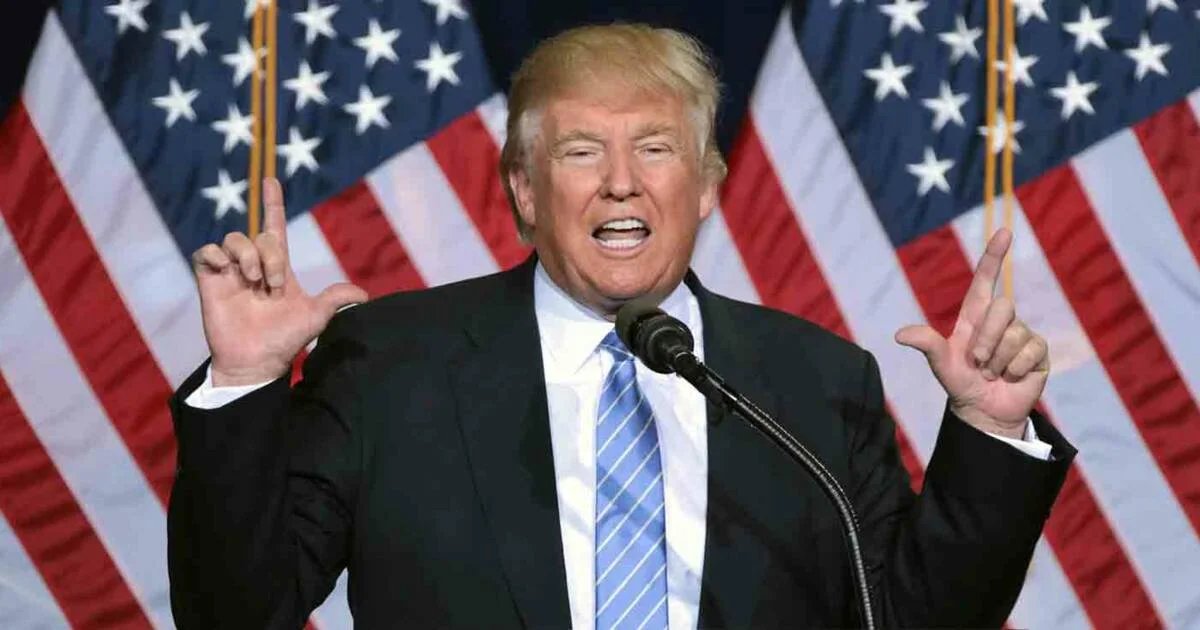
BP’s second-quarter profit more than doubled, fueled by soaring energy prices amid geopolitical tensions, but the windfall has drawn sharp criticism from President Donald Trump, who accused Big Oil of “making too much money” from higher fuel prices.
The British energy giant reported underlying replacement cost profit of $8.45 billion for the quarter, up from $3.1 billion a year earlier, easily beating analyst expectations of around $6.8 billion. The surge was driven by stronger refining margins and higher oil and gas prices, which have been exacerbated by the ongoing conflict in the Middle East.
Trump’s remarks, made during a rally and echoed on social media, put a spotlight on the political pressure facing the industry as pump prices remain elevated. “They’re making too much money,” Trump said, referring to oil companies, as he urged them to lower prices to help American consumers.
What’s Behind the Earnings Jump
BP’s earnings were bolstered by a robust performance in its trading division and a rebound in demand, but the primary driver was the spike in crude prices. Brent crude averaged $118 per barrel in the second quarter, up from $69 a year earlier, as the Iran conflict disrupted supply routes and raised supply concerns.
The company also benefited from higher refining margins, which jumped to $30.60 per barrel from $12.80, as global fuel demand outstripped supply. This allowed BP to post a record quarterly profit in its downstream operations.
However, the windfall has intensified the debate over energy company profits, with Trump and other politicians calling for a windfall tax. BP’s board has already faced shareholder pressure over its dividend and share buyback plans, which have been criticized as prioritizing investors over consumers.
Political Fallout and Industry Response
Trump’s comments have put BP and its peers in a delicate position. The industry argues that higher profits are the result of market forces, not price gouging, and that they are reinvesting heavily in production and renewables. BP said it would increase its quarterly dividend by 10% and announced a $2.5 billion share buyback, signaling confidence in its cash flow.
But the political rhetoric is unlikely to subside, especially with midterm elections approaching. Tensions were already high after Trump’s earlier calls for OPEC to increase output, and his latest remarks could escalate pressure on the sector. Some analysts warn that a windfall tax, if implemented, could deter future investment in oil and gas projects, potentially tightening supply further.
Market Reaction and Peer Performance
Investors initially cheered BP’s results, with shares rising 2.3% in early trading, but gave back some gains after Trump’s remarks. The broader energy sector, including Exxon Mobil and Chevron, also saw volatility as the political risk premium factored in.
BP’s earnings come ahead of its peers’ reports, and the results set a high bar. Exxon is expected to post a similar profit surge, which could intensify the backlash. The sector’s aggregate profits for the quarter are projected to exceed $50 billion, a record high, making it a prime target for political criticism.
What Could Change the Outlook
For now, BP’s guidance points to continued strength, with the company maintaining its full-year production outlook. However, the key risk is a potential policy shift, such as a windfall tax or increased regulatory scrutiny, which could eat into future earnings.
Investors should watch BP’s next quarterly report and any legislative moves in Washington. A decisive factor will be whether crude prices stay above $100, as a sustained decline could quickly erode the profit surge. The next OPEC meeting, scheduled for September, will also be crucial, as any output increase could cool prices and dampen the political heat.







Comments are closed.