
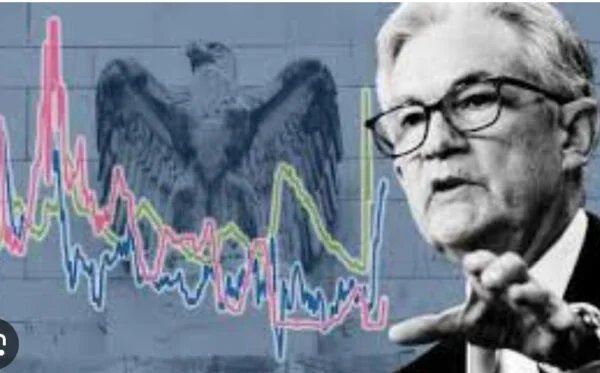
19-Year High for US Borrowing Costs
The latest data indicates that US borrowing costs have surged to their highest levels in nearly two decades, a significant development that has raised eyebrows among investors and economists alike. As of this week, the yield on the 10-year Treasury note climbed to approximately 4.6%, while the 30-year mortgage rate hit 7.3%, reflecting an environment of increasing financial strain for consumers.
This upward trend in borrowing costs is attributed to the Federal Reserve’s recent decision to maintain interest rates, despite inflationary pressures that are becoming more pronounced. The central bank’s strategy appears to be aimed at balancing economic growth while managing inflation, a delicate task given the complex interplay of global events, including geopolitical tensions and supply chain disruptions.
Fed’s Decision Amid Inflation Fears
Investors are particularly concerned about the ongoing conflict in Iran, which has the potential to disrupt global oil supplies and trigger a spike in energy prices. Such an increase could further exacerbate inflation, compelling the Fed to reassess its current monetary policy stance. The Fed’s reluctance to adjust rates upward suggests a belief that the economy can withstand current pressures, but this confidence is being tested as inflationary signals grow stronger.
Recent reports indicate that inflation rates are climbing, and if the conflict escalates, the resulting economic shock could push prices even higher. The Consumer Price Index (CPI) is already showing signs of rising costs in essential goods, a trend that could prompt the Fed to reconsider its wait-and-see approach. The central bank’s next meeting, scheduled for mid-December, will be crucial for determining whether it will adjust its monetary policy in response to shifting economic indicators.
Market Reactions to Rising Borrowing Costs
The response from the markets has been swift, with equity indices feeling the pressure of higher interest rates. Companies relying on debt financing may face higher costs, which could impact earnings forecasts and stock valuations moving forward. The S&P 500 index has seen increased volatility as investors reassess their positions amid this new economic landscape.
Additionally, the bond market is reacting strongly, as evidenced by the increase in yields. Investors are now demanding higher returns to compensate for the perceived risks associated with rising inflation and potential geopolitical instability. This dynamic creates a challenging environment for both corporates and consumers, who may see increased costs for borrowing in the near future.
Implications for Consumers and Businesses
The implications of rising borrowing costs extend beyond Wall Street; they profoundly affect consumers seeking mortgages, auto loans, and credit. With mortgage rates now exceeding 7%, potential homebuyers may be deterred from entering the market, which could slow down the housing sector significantly. This slowdown could have broader implications for the economy, as the housing market is a key driver of economic activity.
Businesses, particularly those in sectors reliant on loans for expansion or operations, may reassess their growth strategies due to increased financing costs. Companies may delay capital investments or pursue cost-cutting measures to mitigate the impact of higher interest rates, which could lead to cautious hiring practices and stifle economic growth.
What to Watch for in Economic Trends
As we look ahead, investors and analysts will closely monitor the Fed’s upcoming decisions and economic indicators related to inflation. Key reports, including the next CPI release and the Fed’s policy meeting in December, will provide vital insights into the central bank’s stance on interest rates and inflation control. A decisive shift in monetary policy could reshape the financial landscape, leading to a reevaluation of asset prices across the board.
In conclusion, the current trajectory of US borrowing costs serves as a critical barometer for economic health amid rising inflationary pressures. Stakeholders should remain vigilant as geopolitical developments, particularly in Iran, unfold, as these events may significantly influence the Fed’s decisions and market conditions in the coming months.










Comments are closed.