
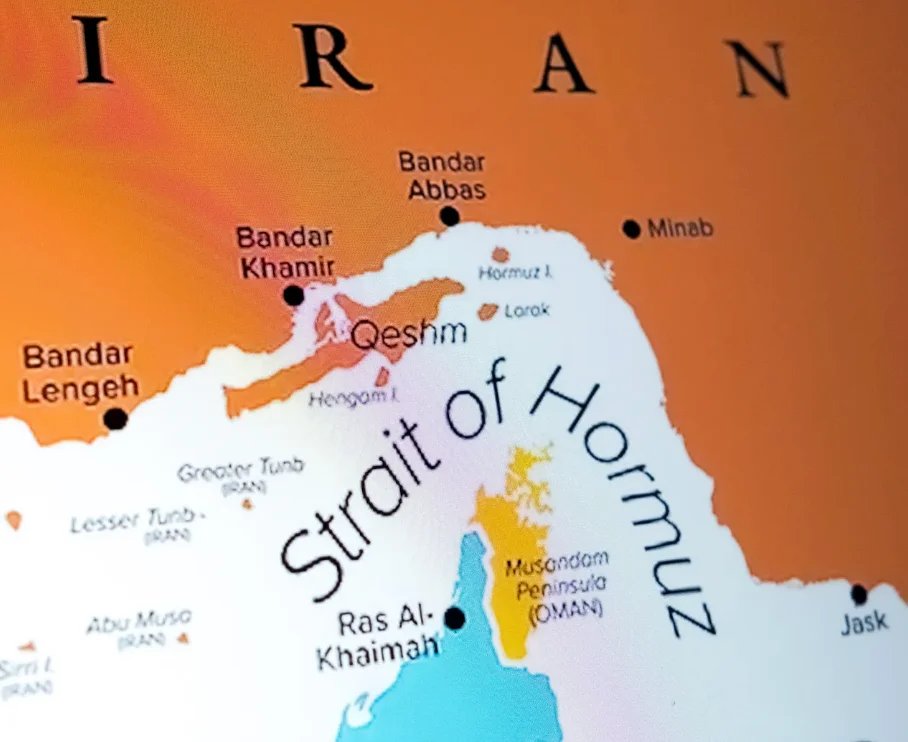
Trump’s Cautious Diplomacy Towards Iran
In a significant geopolitical development, President Donald Trump announced that the United States would refrain from further military action against Iran, contingent upon the Islamic Republic and other Middle Eastern nations reaching a swift agreement. This statement follows a series of discussions aimed at mitigating tensions in the region, which have been heightened due to Iran’s nuclear ambitions and its involvement in regional conflicts.
Trump’s remarks, made during a press briefing, reflect a strategic pivot as the administration seeks to balance national security interests with diplomatic engagements. The President emphasized the potential for a rapid deal, suggesting that ongoing negotiations might yield more stable relations and reduce the risk of conflict in the volatile Middle East.
Market Reactions: Stocks and Oil Prices in Focus
The announcement has led to immediate reactions within the financial markets. Stocks, particularly those in the energy sector, are closely monitored for volatility as investors digest the implications of potential peace. Companies such as ExxonMobil ($XOM) might see fluctuations in their stock prices, given their significant interests in the oil-rich region.
Moreover, the broader S&P 500 index ($SPY) is expected to react in tandem, reflecting investor sentiment around geopolitical stability. Historically, periods of heightened tension in the Middle East tend to raise oil prices, as uncertainty often leads to increased demand for crude. Conversely, a move towards diplomacy typically results in price stabilization.
Implications for U.S. Foreign Policy and Energy Markets
Should the negotiations materialize into a formal agreement, it could reshape U.S. foreign policy in the region. The potential easing of sanctions against Iran could lead to increased oil production, impacting global oil prices. Analysts predict that a reduction in U.S. sanctions could flood the market with Iranian oil, significantly changing the dynamics of supply and demand.
Furthermore, the U.S. stance on Iran has long been a critical component of its energy strategy. A cooperative Iran could lead to decreased reliance on other oil-producing nations, potentially altering the trajectory of U.S. energy independence efforts. This shift would not only affect oil prices but could also have far-reaching implications for global energy security.
What Investors Should Monitor Moving Forward
As negotiations continue, investors are advised to keep a close eye on key indicators that could signal shifts in market sentiment. Upcoming diplomatic meetings and statements from both U.S. and Iranian officials will be critical in shaping perceptions. A concrete timeline for discussions or a preliminary agreement could bolster market confidence, while setbacks could trigger renewed volatility.
Additionally, economic data releases related to oil inventories and production rates will be essential to watch. If Iran resumes significant oil exports, it could lead to an oversupply in the market, causing prices to drop.
Traders should also remain vigilant for any reports of increased military activity or rhetoric that suggests a regression in diplomatic efforts. Such developments could quickly reverse any gains made in the stock and energy markets, leading to another wave of uncertainty.










Comments are closed.