
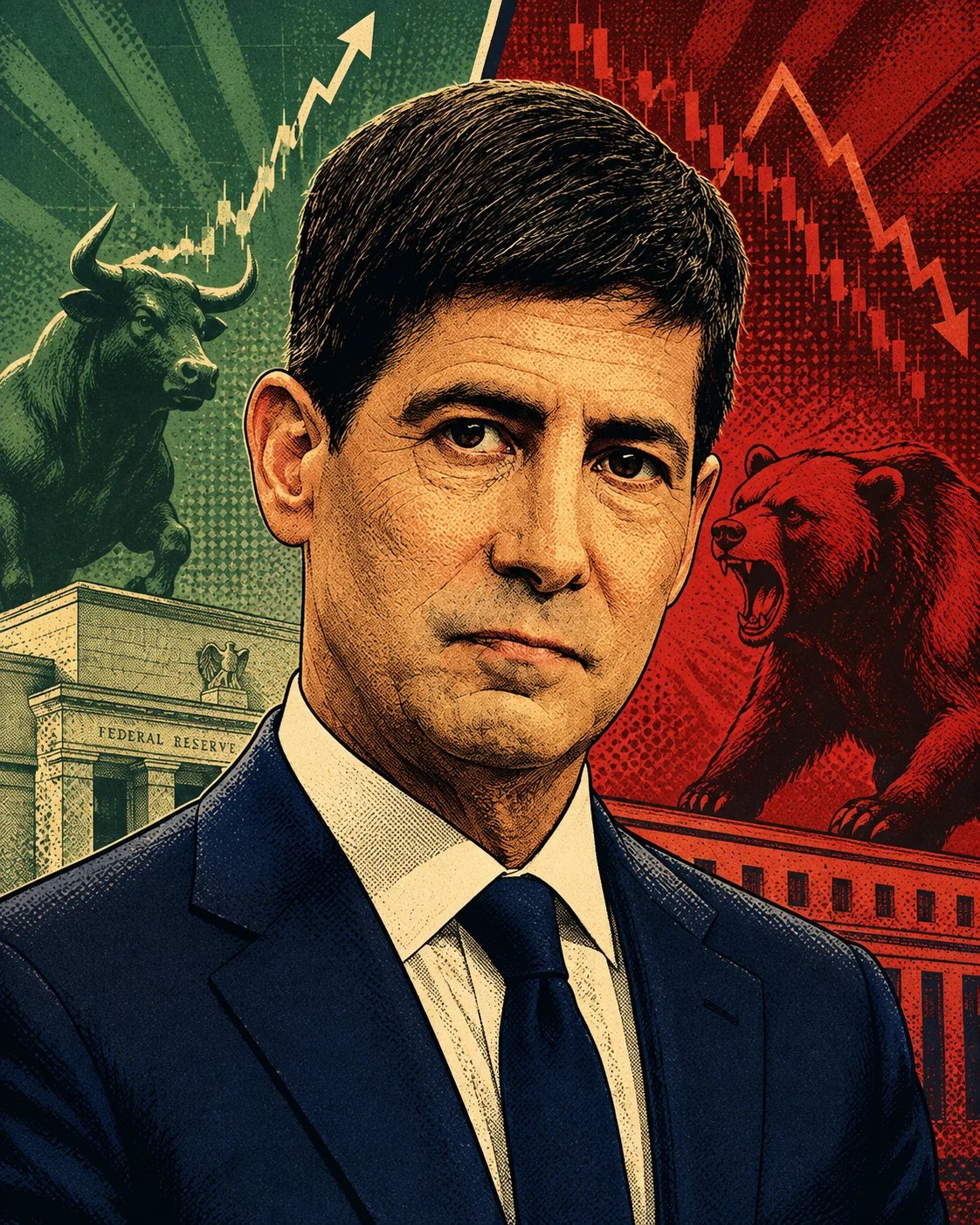
Fed Lifts Rates To 3.75%-4% In Unanimous Vote
The Federal Open Market Committee voted 12-0 on Wednesday, 16 September 2026, to raise the overnight federal funds rate by 25 basis points to a target range of 3.75%-4%. It was the first increase since July 2023, ending a prolonged pause that had left policy unchanged for more than three years.
The move was driven by inflation that remains well above the Fed’s 2% goal, fueled by spiraling oil prices and new tariffs. The committee’s statement cited “persistent inflationary pressures” and noted that recent data have not shown sufficient progress toward price stability.
Bond markets reacted immediately. The iShares 20+ Year Treasury Bond ETF ($TLT) fell as yields rose across the curve, while the S&P 500 ($SPY) slipped in afternoon trading as rate-sensitive sectors sold off.
Dot Plot Signals Another Hike This Year
The updated summary of economic projections showed 16 of 18 participants expect at least one more rate increase before the end of 2026. Four of those officials penciled in two additional hikes. No participants projected rate cuts until 2028, a stark shift from earlier expectations of easing.
The median projection for the federal funds rate at the end of 2026 now stands at 4.1%, implying one more quarter-point move. For 2027, the median dots point to 3.9%, suggesting a long hold at restrictive levels.
“The committee is prepared to adjust policy as needed to bring inflation back to 2%,” the Fed chair said in the post-meeting press conference, according to the official transcript. No cuts are envisioned until inflation shows sustained deceleration.
Inflation Forecasts Raised, Unemployment Lowered
Officials raised their 2026 headline PCE inflation forecast to 3.7% from a previous estimate of 3.1%, and lifted the core PCE projection to 3.4% from 2.8%. The unemployment rate outlook was cut to 4.1% from 4.3%, reflecting a still-resilient labor market.
The Fed does not see inflation returning to its 2% target until 2029, according to the projections. That extended timeline underscores the challenge policymakers face as energy costs and trade barriers keep upward pressure on prices.
Oil prices have climbed sharply in recent months, with West Texas Intermediate crude trading above $95 per barrel as of 15 September 2026, according to market data. The rise stems from supply disruptions and geopolitical tensions, adding to headline inflation.
Tariffs And Oil Keep Pressure On Prices
New tariffs on imported goods, implemented earlier this year, have raised input costs for manufacturers and retailers. Several Fed officials have publicly warned that these trade measures could keep core inflation elevated well into 2027.
The combination of higher energy prices and tariff-related cost pass-through has made the Fed’s job harder. Unlike demand-driven inflation, supply shocks are less responsive to interest rate hikes, which means the Fed may need to keep policy tighter for longer to prevent inflation expectations from becoming unanchored.
Market-implied inflation expectations, as measured by the 5-year breakeven rate, rose to 2.9% following the decision, up from 2.6% a month ago, according to Bloomberg data.
Bond Selloff Deepens As Rate Path Reprices
The yield on the 10-year Treasury note jumped to 4.65% after the announcement, its highest level since 2024. The 2-year yield, which is more sensitive to Fed policy, rose to 4.45%. The $TLT ETF dropped 1.8% on the day.
Equity markets also felt the pressure. The $SPY ETF closed down 0.9%, with real estate and utilities sectors leading declines. Financials outperformed as banks benefit from higher net interest margins.
“The dot plot was more hawkish than expected,” said a fixed income strategist at a major Wall Street bank, who spoke on condition of anonymity. “The market had priced in a pause, not another hike. This is a significant repricing.”
What To Watch Before The December Meeting
The next FOMC meeting is scheduled for 3-4 November 2026. Between now and then, investors will focus on the September PCE inflation report, due on 30 September, and the October jobs report, due on 6 November. A core PCE print above 3.5% would likely cement another hike in December.
Oil prices will also be critical. If WTI crude sustains above $100 per barrel, the Fed may feel compelled to act more aggressively. Conversely, a sharp drop in energy costs could give policymakers room to hold steady.
The key number to watch is the 2026 median dot of 4.1%. Any shift in that projection at the November meeting would signal a change in the Fed’s reaction function. For now, the bias remains firmly toward tighter policy.











Comments are closed.