
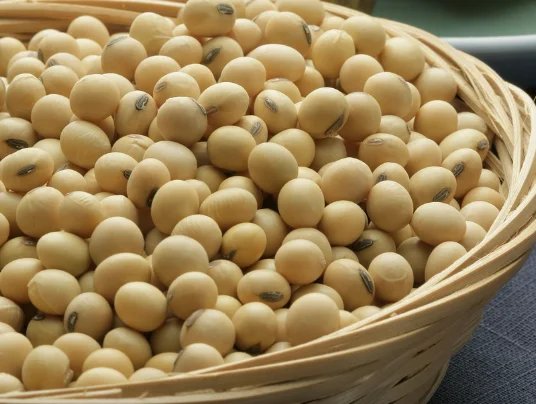
Soybean Futures Hit Highest Level Since 2023 on Biofuel Exemption
Soybean futures surged to their highest point in nearly three years on Wednesday, September 2, 2026, after the U.S. Environmental Protection Agency (EPA) announced a new biofuel blending exemption that will reduce the supply of soybeans available for crushing. The move sent the most-active contract up 4.2% to $14.85 per bushel, a level not seen since late 2023.
The EPA’s decision, revealed in a regulatory filing on Tuesday, September 1, grants small refineries a waiver from renewable fuel blending obligations for the 2025 compliance year. Analysts estimate this could cut soybean oil demand for biodiesel by as much as 150 million gallons, tightening an already strained supply chain.
Why the Waiver Tightens Crush Margins and Sparks Short Covering
The exemption reduces the amount of soybean oil that refiners must blend into diesel, but it also slashes the incentive for crushers to process soybeans. With fewer mandates, crushers may pare back operations, shrinking the output of soybean meal—a key livestock feed—and pushing prices higher across the complex.
Traders reacted swiftly. Open interest in soybean futures jumped 12% on Wednesday, and volume hit a six-month high, signaling aggressive short covering. “The market is repricing the entire crush calendar,” said one Chicago-based broker. “The waiver is a demand shock for oil, but it’s a supply shock for meal, and that’s what’s driving the bean rally.”
Corn and Wheat Follow Suit as Ag Complex Catches Fire
The surge in soybeans spilled over into other grains. Corn futures added 1.8% to $5.32 per bushel, while wheat rose 0.9% to $6.15, as investors rotated into the sector on expectations of tighter global supplies. The Bloomberg Agriculture Subindex climbed 2.4% on the day, its best performance since March 2025.
Farmers are watching the rally with cautious optimism. “We haven’t seen these price levels since the drought scares of 2023,” said a Kansas-based grain elevator operator. “But weather has been cooperative this year, so any rally is purely policy-driven.”
What the Rally Means for Food Inflation and Ethanol Blenders
Higher soybean prices are likely to feed into food costs, particularly for cooking oils and livestock feed. The U.S. Department of Agriculture’s food price index for August, released last week, showed a 0.3% month-over-month increase, and analysts expect September to accelerate. “This is a cost-push shock for food processors,” noted a commodities economist. “Poultry and pork producers will feel it first.”
Ethanol blenders, who use corn rather than soybeans, are also exposed. The waiver may push more soybean oil into food and industrial uses, but it could also incentivize more corn-based ethanol to fill the biofuel gap, supporting corn prices in the process.
Watch the October EPA Hearing for the Next Catalyst
The rally’s sustainability hinges on two factors: the EPA’s public hearing on the waiver rule, scheduled for October 15, and the upcoming USDA World Agricultural Supply and Demand Estimates (WASDE) report on September 11. If the EPA signals additional exemptions, soybean futures could test the $15.00 psychological level. Conversely, a reversal of the waiver or a stronger-than-expected U.S. harvest could trigger a sharp pullback.
Traders should also monitor export data from China, which remains the largest buyer of U.S. soybeans. Any slowdown in Chinese demand, which has been steady through August, would add a bearish counterweight to the policy-driven rally.










Comments are closed.