
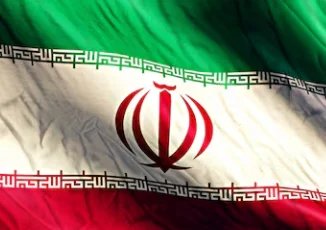
- U.S. Central Command (CENTCOM) confirmed new military strikes near the Strait of Hormuz in response to Iranian attacks on commercial shipping and U.S. personnel.
- The strikes mark a significant escalation in the Persian Gulf, directly threatening the world’s most critical oil transit chokepoint.
- Iranian attacks targeted vessels in the strait, prompting a U.S. military response aimed at deterring further aggression.
- Energy markets are highly sensitive to Hormuz disruptions, with oil prices and related equities likely to react sharply to the news.
- The situation raises immediate concerns about supply chain security and broader regional stability.
U.S. Military Action in the Strait of Hormuz
U.S. Central Command announced on Tuesday that American forces conducted new strikes around the Strait of Hormuz, directly responding to a fresh wave of Iranian attacks on commercial shipping and U.S. military assets in the region. The operation, confirmed by CENTCOM, represents a notable intensification of military activity in one of the world’s most strategically vital waterways. According to the command’s statement, the strikes were designed to degrade Iran’s capability to launch further attacks on maritime traffic and to protect U.S. forces operating in the area.
The precise scope of the strikes—whether they targeted naval vessels, coastal missile batteries, or drone launch sites—has not been fully detailed by CENTCOM. However, the confirmation of direct military action against Iranian positions marks a clear departure from the more measured responses seen in previous months. The attacks on shipping, which CENTCOM described as ongoing, have raised the stakes for all nations reliant on the roughly 20 million barrels of oil that transit the strait daily, accounting for about 20% of global consumption.
Market Implications for Energy and Shipping
The immediate market reaction is expected to be pronounced, with crude oil benchmarks likely to spike on the heightened risk of supply disruption. The Strait of Hormuz is the sole maritime route for oil and liquefied natural gas exports from Saudi Arabia, Iraq, the UAE, Kuwait, and Qatar. Any sustained closure or significant disruption would have immediate and severe consequences for global energy prices. Investors are closely watching the situation, with energy equities and oil-linked exchange-traded funds likely to see increased volatility and potential upside as risk premiums are repriced.
Shipping insurance premiums for vessels transiting the Gulf have historically surged in response to such escalations, and this latest incident is no exception. The attacks on commercial ships, which CENTCOM says prompted the U.S. response, directly threaten the safety of international maritime trade. Beyond oil, the strait also handles a significant volume of other goods, making the security situation a critical concern for global supply chains. The U.S. Navy’s Fifth Fleet, based in Bahrain, remains on high alert, coordinating with allied naval forces to ensure freedom of navigation.
Strategic and Diplomatic Repercussions
The strikes come at a time of heightened tension across the Middle East, with the U.S. maintaining a significant military footprint in the region. The decision to strike Iranian targets directly, rather than relying solely on defensive measures, signals a more aggressive posture from Washington. This approach carries inherent risks of further escalation, potentially drawing Iran into a broader conflict that could destabilize the region and disrupt energy markets for an extended period. Diplomatic channels, while still open, appear strained as both sides dig in on their respective positions.
For global markets, the key question is whether this remains a contained, punitive action or escalates into a sustained campaign. The latter scenario would likely see oil prices test multi-year highs, putting additional pressure on global inflation and potentially altering central bank policy trajectories. The situation also complicates diplomatic efforts to revive the Iran nuclear deal, which had already been faltering. The immediate focus, however, remains on the security of the strait and the safety of the commercial vessels and military personnel operating there.
As the situation develops, market participants will be parsing every piece of news from CENTCOM and the Pentagon for signals about the duration and intensity of the U.S. campaign. The resilience of the global energy supply chain is being tested, and the response from Tehran—whether military, diplomatic, or both—will determine the next phase of this crisis. For now, the risk of a significant and sustained disruption to oil flows through Hormuz has risen sharply, a fact that will likely be reflected in energy prices and geopolitical risk assessments in the coming days.








Comments are closed.