
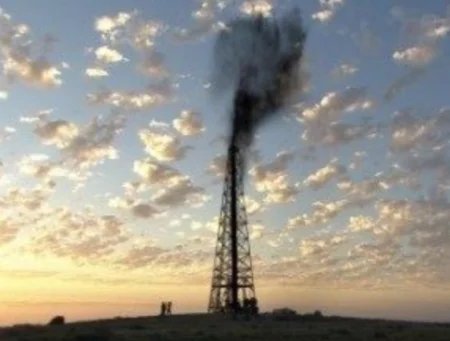
- Two oil supertankers were struck by unknown projectiles in quick succession while transiting the Strait of Hormuz, according to maritime security firm Marisks.
- The incidents occurred in the world’s most critical oil chokepoint, through which roughly 20 million barrels per day (bpd) of crude and condensate flow.
- No group has claimed responsibility, and the extent of damage or crew injuries has not been officially confirmed as of today.
- Oil prices and shipping insurance rates are expected to react sharply, with war-risk premiums likely to spike for Gulf transits.
- The U.S. Fifth Fleet and regional navies have not yet issued formal statements, but tanker traffic may face rerouting or delays.
Attack on Supertankers in the Strait of Hormuz
Maritime security consultant Marisks reported on Tuesday that two oil supertankers were hit by unknown projectiles in quick succession while navigating the Strait of Hormuz, the narrow waterway separating Iran from Oman and the United Arab Emirates. The firm, which tracks vessel movements and security incidents in high-risk waters, said the attacks occurred within a short window, though it did not specify the exact time or the names of the vessels involved. The projectiles’ origin remains unidentified, and no militant group or state actor has claimed responsibility as of the latest updates.
The Strait of Hormuz is a strategic artery for global energy supplies, handling approximately one-fifth of the world’s oil consumption. According to the U.S. Energy Information Administration (EIA), about 20 million barrels per day of crude oil, condensate, and refined products pass through the strait, making it the most important maritime chokepoint in the world. Any disruption here has immediate implications for global crude prices, tanker routing, and insurance markets. The reported strikes come amid heightened regional tensions, though the specific trigger for this incident has not been established.
Market and Shipping Implications
While official confirmation from tanker owners or flag states is pending, the immediate market reaction is likely to be a jump in Brent and WTI crude futures, as traders price in a higher risk premium for Middle East supply. Shipping industry sources indicate that war-risk insurance premiums for vessels transiting the Gulf have already been elevated in recent months, and this incident could push them higher. The London insurance market’s Joint War Committee had previously expanded the high-risk area for the region, and further adjustments are possible.
The two supertankers were reportedly carrying crude oil, though their cargo volumes and destinations have not been disclosed. If the vessels are forced to divert or undergo repairs, charter rates for very large crude carriers (VLCCs) could see short-term volatility. Historically, similar incidents in the strait—such as the 2019 attacks on tankers near Fujairah and the 2021 drone strike on the Mercer Street—led to temporary rerouting, increased naval escorts, and a spike in freight rates. However, the current situation is still developing, and no rerouting advisories have been issued by major shipping lines as of this writing.
Regional Security Context and Response
The U.S. Navy’s Fifth Fleet, based in Bahrain, has not yet issued a public statement about the incident, but it typically coordinates with international partners to ensure freedom of navigation in the region. Iran’s Islamic Revolutionary Guard Corps (IRGC) has a history of harassing or seizing tankers in the strait, but there is no evidence linking Tehran to this specific attack. Conversely, some analysts point to the possibility of non-state actors operating from the Omani or Yemeni coasts, though the projectiles’ trajectory remains unverified.
Global energy markets are also watching the situation closely, given that the strait is a key transit point for liquefied natural gas (LNG) from Qatar, the world’s largest LNG exporter. A prolonged disruption could affect not only crude oil but also natural gas prices in Asia and Europe. The International Maritime Organization (IMO) has called for restraint and safe passage for commercial vessels, but no formal investigation has been announced. Marisks has advised ships in the area to exercise heightened vigilance and report any suspicious activity to naval authorities.
As of today, September 1, 2026, the full extent of the damage to the two supertankers is unknown. Crew safety is the immediate priority, and no casualties have been reported publicly. The incident underscores the persistent geopolitical risk in the Gulf, where a single miscalculation can disrupt global energy flows. Traders and insurers will be watching for any confirmation of the vessels’ identities, the nature of the projectiles, and any subsequent military response. Until then, the market is likely to remain on edge, with volatility expected in crude futures and shipping equities.




Comments are closed.