
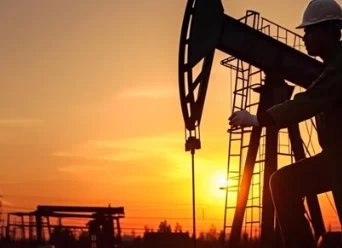
Oil’s Geopolitical Premium Returns
- U.S.-Iran strikes have reignited fears of a prolonged Middle East conflict, pushing regional oil benchmarks above $100 per barrel.
- Heightened tensions around the Strait of Hormuz, a chokepoint for roughly 20% of global oil supply, are driving the price surge.
- Global bond yields have climbed to their highest level since 2008, fueled by concerns that higher oil prices will prolong inflation.
- New Federal Reserve Chairman Kevin Walsh has vowed to tame U.S. inflation, currently at 3.4%, intensifying the bond market selloff.
- The combination of rising yields and expensive crude creates a demand-destruction risk, potentially slowing global economic growth.
The latest round of U.S.-Iran strikes has abruptly shifted the oil market’s focus back to supply security, with regional benchmarks in the Middle East crossing the psychologically significant $100 threshold. The escalation, which marks a sharp uptick in direct military engagement, has traders pricing in a prolonged conflict rather than a quick, contained exchange. The immediate reaction was a scramble for crude cargoes and a surge in shipping insurance premiums, particularly for vessels transiting the Persian Gulf. The Strait of Hormuz remains the central flashpoint. As the world’s most critical oil passageway, any credible threat to its navigability forces a recalibration of global supply forecasts. While no major disruption to tanker traffic has been confirmed as of today, the mere perception of risk is enough to sustain elevated prices. Analysts note that the last time benchmarks held above $100 for an extended period, it coincided with a significant supply shock; the current situation carries similar weight, though the market is also contending with a fragile demand outlook.
The Bond Market’s Inflationary Warning
The oil rally is no longer just an energy story; it has become a macro-economic catalyst with global repercussions. Bond yields have surged to levels not seen since 2008, driven by a simple but powerful narrative: higher energy costs will keep inflation stickier than central banks hope. This repricing has been most pronounced in longer-dated government debt, where investors demand a higher premium to compensate for the risk that price pressures persist well into the next cycle. The yield spike began in earnest after new Federal Reserve Chairman Kevin Walsh publicly committed to finally taming U.S. inflation, which currently sits at 3.4%. His hawkish tone, while intended to anchor expectations, has paradoxically accelerated the selloff in bonds. Investors interpret his resolve as a signal that interest rates will remain restrictive for longer, potentially tipping the economy into a slowdown. The result is a feedback loop: oil pushes yields up, and higher yields threaten the economic growth that supports oil demand.
A Demand-Destruction Cycle Looms
This dynamic creates a precarious situation for the global economy. Rising bond yields increase borrowing costs for businesses and consumers, cooling activity in interest-rate-sensitive sectors like housing and manufacturing. Simultaneously, $100 oil acts as a tax on consumption, eroding disposable income and squeezing corporate margins. Together, these forces form a cycle of lower demand further down the road, which could eventually cap the oil rally even as geopolitical tensions persist. For equity markets, the implications are mixed. Energy producers stand to benefit from higher crude prices, but the broader indices face headwinds from elevated discount rates. The S&P 500, which had been pricing in a soft landing, now faces the risk of a policy error or an external shock derailing that narrative. The coming weeks will likely hinge on whether diplomatic channels can de-escalate the Middle East situation, or whether the conflict becomes the defining economic event of the season. For now, the market’s attention remains fixed on Hormuz and the Federal Reserve’s next move.










Comments are closed.