
Market Movements Today
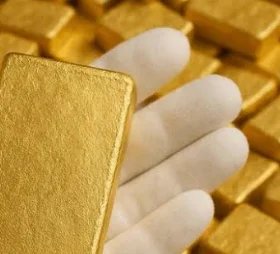
In a notable downturn during late-afternoon trading on Thursday, both spot gold and silver prices saw significant declines. This comes as strong U.S. economic data, rising Treasury yields, and a robust U.S. dollar overshadow positive market sentiments stemming from recent, softer inflation reports. Gold prices have notably fallen below the $4,000 per ounce mark, a significant psychological level for traders and investors alike.
As of the latest trading session, spot gold was trading around $3,980 per ounce, down approximately 2% from the previous day. Silver also faced a similar fate, dropping to around $22.50 per ounce, reflecting a steep decline in precious metal values.
Contributing Economic Factors
The decline in gold and silver prices can be attributed to a myriad of economic indicators that have emerged this week, which showcased the resilience of the U.S. economy. Reports highlighting stronger-than-expected jobless claims and retail sales have raised concerns that the Federal Reserve may continue to adopt its hawkish stance, despite recent inflation easing.
The yield on the benchmark 10-year Treasury note has surged to approximately 3.5%, contributing to the pressure on precious metals. Rising yield rates typically signal an increased opportunity cost for holding non-yielding assets like gold and silver, further diminishing their appeal to investors. A stronger dollar, which gained traction following the release of positive economic data, has also compounded the decline in gold prices, making it more expensive for international buyers.
This week’s inflation data, while softer, has not provided enough impetus to stabilize gold prices, indicating that investors are prioritizing immediate economic indicators over longer-term risks. The situation in the Strait of Hormuz, a crucial chokepoint for global oil supply, has also added an element of geopolitical concern, but it was not enough to counteract the prevailing market trends.
Looking Ahead: Market Implications
As market participants digest these developments, the outlook for gold and silver remains uncertain. Analysts suggest that unless there is a significant shift in economic indicators or geopolitical tensions escalate dramatically, the downtrend in precious metals could continue. The Fed’s next moves will be closely watched, with investors keenly awaiting any signals that might indicate a reversal in monetary policy.
In the broader context, the impact of rising interest rates on commodity prices is a critical topic for traders. If the Federal Reserve maintains its current trajectory, additional rate hikes could further suppress gold and silver prices, leading to a reevaluation of investment strategies among precious metal holders.
Summary and Future Outlook
In summary, the sharp decline in gold and silver prices highlights the complex interplay of economic data, interest rates, and geopolitical factors. As the U.S. economy shows resilience, precious metals are likely to face continued headwinds. Investors should remain vigilant and consider potential shifts in the economic landscape that could affect these markets.
Looking forward, market observers will need to monitor not only economic indicators but also the Federal Reserve’s policy decisions and geopolitical events that could influence the market dynamics surrounding gold and silver.










Comments are closed.