
What Happened
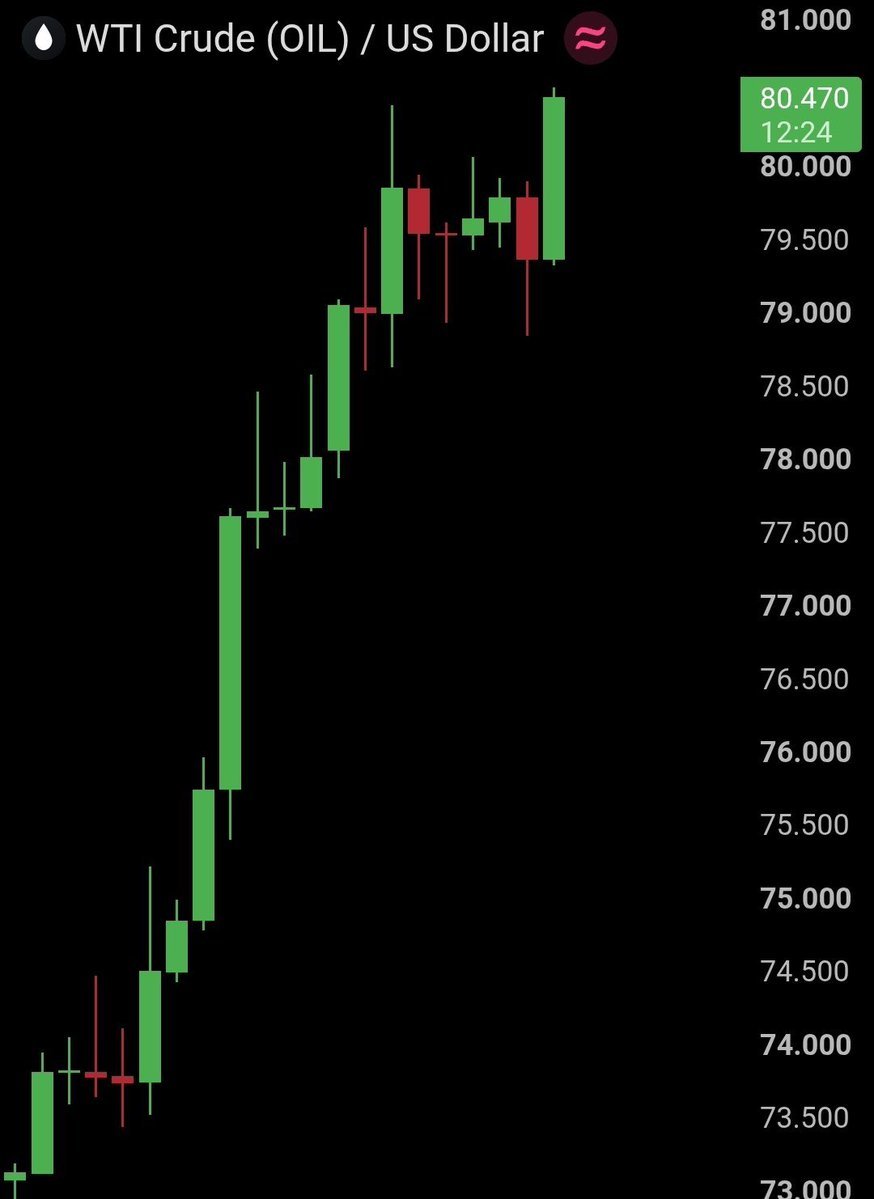
In a significant market development, oil prices have surged to a 28-day high of $80 per barrel. This spike comes as geopolitical tensions between the United States and Iran have escalated, reigniting concerns over potential disruptions in oil supply. The renewed conflict has led traders to react swiftly, pushing prices higher in anticipation of potential impacts on global oil markets.
Market Reaction and Analysis
The rise in oil prices reflects a broader market sentiment that is increasingly sensitive to geopolitical events. Analysts note that the ongoing US-Iran tensions could lead to supply chain disruptions, particularly in the Strait of Hormuz, a critical passage for global oil shipments. Historically, any conflict in this region has prompted price volatility, and current events appear to be no exception.
As of now, the West Texas Intermediate (WTI) and Brent crude benchmarks are both experiencing upward momentum. The WTI is currently trading at around $80, while Brent is also showing similar trends. This price increase marks a significant shift from earlier forecasts that had predicted a more stable oil price environment.
Market analysts are closely monitoring the situation, with many suggesting that further escalation could drive prices even higher. The International Energy Agency (IEA) has previously warned that any military confrontation in the region could severely impact oil supply and push prices upwards, possibly exceeding $90 per barrel.
Why It Matters
The implications of rising oil prices extend beyond just the commodity markets. Higher oil prices can lead to increased costs for consumers and businesses, potentially stoking inflationary pressures. Economies that are heavily dependent on oil imports, particularly in Europe and Asia, may face significant challenges as energy costs rise.
Additionally, the renewed conflict could lead to strategic shifts in energy policy among major economies. Countries may accelerate their transition to alternative energy sources to mitigate reliance on oil imports, especially from volatile regions. This could have long-term ramifications for global energy markets and investment strategies.
Looking Ahead
As the situation develops, traders and investors will need to remain vigilant. The potential for further conflict in the Middle East could lead to more price fluctuations, making it essential to stay informed about geopolitical developments. Analysts recommend keeping an eye on diplomatic efforts aimed at de-escalating tensions, as these could provide clues about future oil price movements.
In summary, the recent spike in oil prices to $80 is a direct response to escalating US-Iran tensions, raising concerns about supply disruptions. As the market reacts, the broader economic implications will unfold, impacting consumers and businesses alike. Stakeholders should prepare for continued volatility in oil prices as the geopolitical landscape evolves.









Comments are closed.