
Market Overview
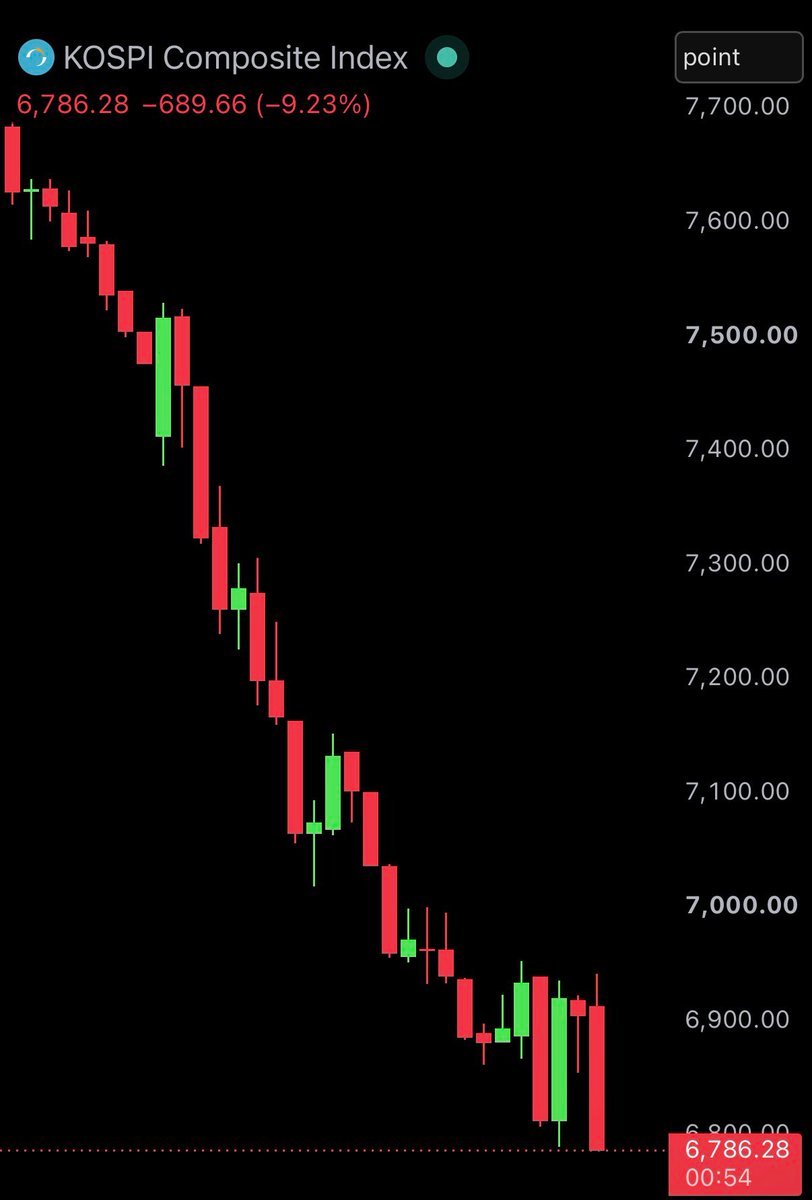
In a shocking turn of events, the South Korean stock market has experienced a significant downturn, with an estimated ₩570 trillion wiped off its value as the KOSPI index plunged by 9.23% today. This dramatic decline marks one of the most severe single-day losses in recent history, raising concerns among investors and analysts alike.
The KOSPI, which is a key indicator of South Korea’s economic health, has been under pressure due to various factors, including global economic uncertainties, rising interest rates, and geopolitical tensions in the region. The massive sell-off indicates a lack of confidence among market participants, who are reacting to both domestic and international economic signals.
Contributing Factors
Several factors have contributed to the KOSPI’s sharp decline. Firstly, the ongoing inflationary pressures have led to fears of tighter monetary policies from central banks, not only in South Korea but globally. Investors are increasingly wary of how these policies may impact corporate earnings and economic growth.
Additionally, geopolitical tensions, particularly in East Asia, have added to the market’s volatility. Concerns regarding trade relations and potential conflicts have made investors cautious, leading to a flight to safety in more stable assets. This environment has exacerbated the downward pressure on the KOSPI, as many investors opted to liquidate their positions amid fears of further losses.
Market Reactions
The market reaction has been swift and severe, with many sectors experiencing heavy losses. Technology stocks, which have been a significant driver of growth in South Korea, have particularly suffered, reflecting a broader trend observed in global tech markets. Investors are now questioning the sustainability of growth in this sector, especially as interest rates rise.
Moreover, the financial sector has also felt the brunt of the sell-off, with major banks and financial institutions seeing their stock prices decline sharply. Analysts suggest that the current environment may lead to a reassessment of valuations across various sectors, as investors recalibrate their expectations in light of the recent market developments.
Looking Ahead
As the KOSPI continues to grapple with these challenges, market analysts are urging caution. The volatility observed today may persist in the coming weeks as investors digest the implications of recent economic data and geopolitical developments. Many are advocating for a more defensive investment strategy, focusing on sectors that are less sensitive to interest rate changes and geopolitical risks.
In conclusion, the dramatic fall of the KOSPI serves as a stark reminder of the interconnectedness of global markets and the potential for rapid shifts in investor sentiment. As South Korea’s economy faces these mounting pressures, both domestic and international investors will be closely monitoring developments to navigate this uncertain landscape.
In summary, today’s loss of ₩570 trillion from the South Korean market underscores the fragility of investor confidence in the face of economic and geopolitical challenges. Moving forward, stakeholders will need to remain vigilant and adaptable as they respond to ongoing market dynamics.










Comments are closed.