
What Happened
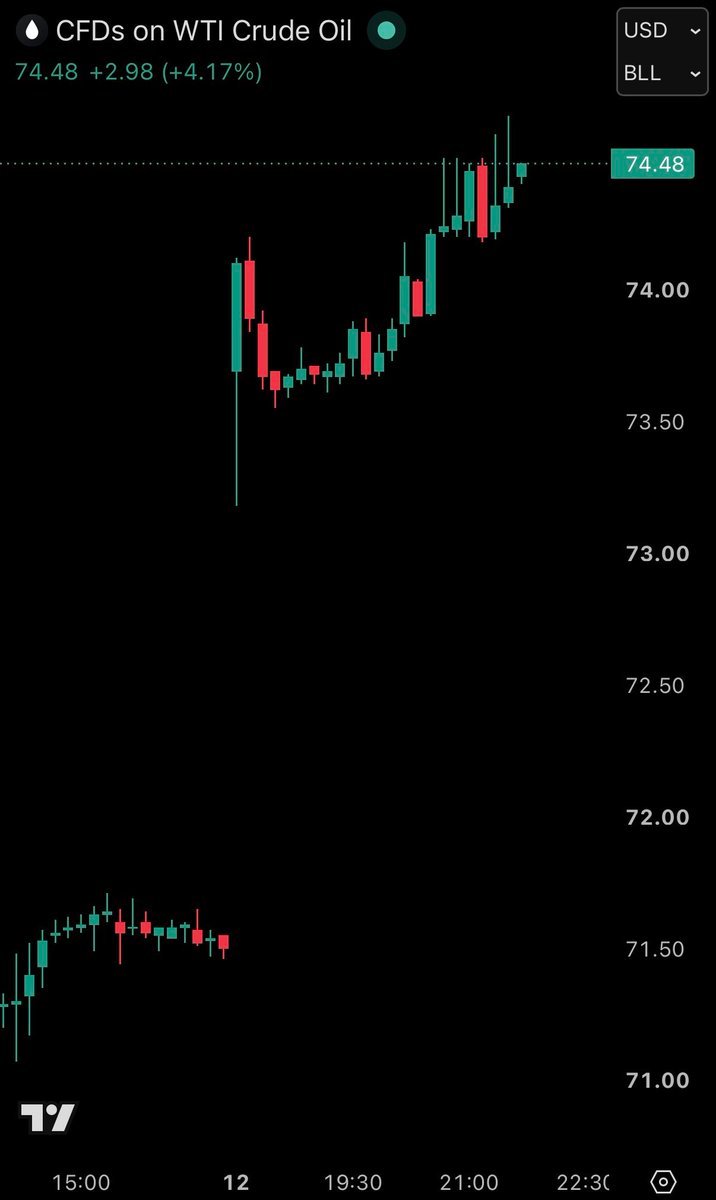
In a significant market development, US oil prices have surged nearly 5% today following Iran’s announcement to close the Strait of Hormuz. This strategic waterway is a critical passage for global oil shipments, and any disruption can have immediate and far-reaching implications for oil markets worldwide.
The rise in oil prices reflects heightened concerns over supply disruptions, as the Strait of Hormuz accounts for approximately 20% of the world’s oil trade. With geopolitical tensions in the region escalating, traders are reacting swiftly to the news, driving prices higher.
Market Response and Analysis
As of the latest trading session, West Texas Intermediate (WTI) crude oil futures have reached levels not seen since early 2023, trading around $75 per barrel. The immediate market reaction indicates a strong bullish sentiment as investors price in the potential for reduced supply from the Middle East.
Analysts suggest that the closure of the Strait could exacerbate existing supply chain issues, particularly as global demand for oil continues to recover post-pandemic. The International Energy Agency (IEA) had previously projected a steady increase in oil demand, which now faces uncertainty due to this geopolitical development.
Furthermore, the closure comes at a time when OPEC+ is already grappling with production cuts aimed at stabilizing prices. Should the situation in the Strait persist, it could prompt discussions among OPEC members about further adjustments to their output strategies.
Why This Matters
The Strait of Hormuz is not just a narrow waterway; it is a vital artery for the global oil supply. The recent announcement from Iran raises alarm bells for several reasons. Firstly, it signals a potential escalation in regional tensions, which could lead to military confrontations and further instability.
Secondly, the market’s reaction underscores the fragility of the current oil supply chain. With prices already on the rise due to inflation and increased demand, any additional pressure could lead to higher gasoline prices for consumers and increased costs for businesses reliant on oil.
Moreover, the potential for sanctions or military responses from the US and its allies could further complicate the situation. As the world’s largest oil consumer, the US has a vested interest in ensuring the free flow of oil through the Strait. Any military action could have significant implications for global markets and investor sentiment.
Looking Ahead
As the situation develops, market participants will be closely monitoring any further announcements from Iran and the international community. The potential for a prolonged closure of the Strait could lead to sustained higher oil prices, impacting everything from transportation costs to inflation rates.
In conclusion, today’s surge in US oil prices is a direct response to geopolitical tensions surrounding the Strait of Hormuz. With the global oil market already in a delicate balance, any further disruptions could have significant consequences. Investors and consumers alike should prepare for a potentially volatile market in the coming weeks.
Summary
The closure of the Strait of Hormuz by Iran has led to a nearly 5% increase in US oil prices, reflecting heightened market concerns over supply disruptions. As geopolitical tensions escalate, the implications for global oil supply and prices remain significant. Stakeholders should remain vigilant as the situation continues to unfold.









Comments are closed.