
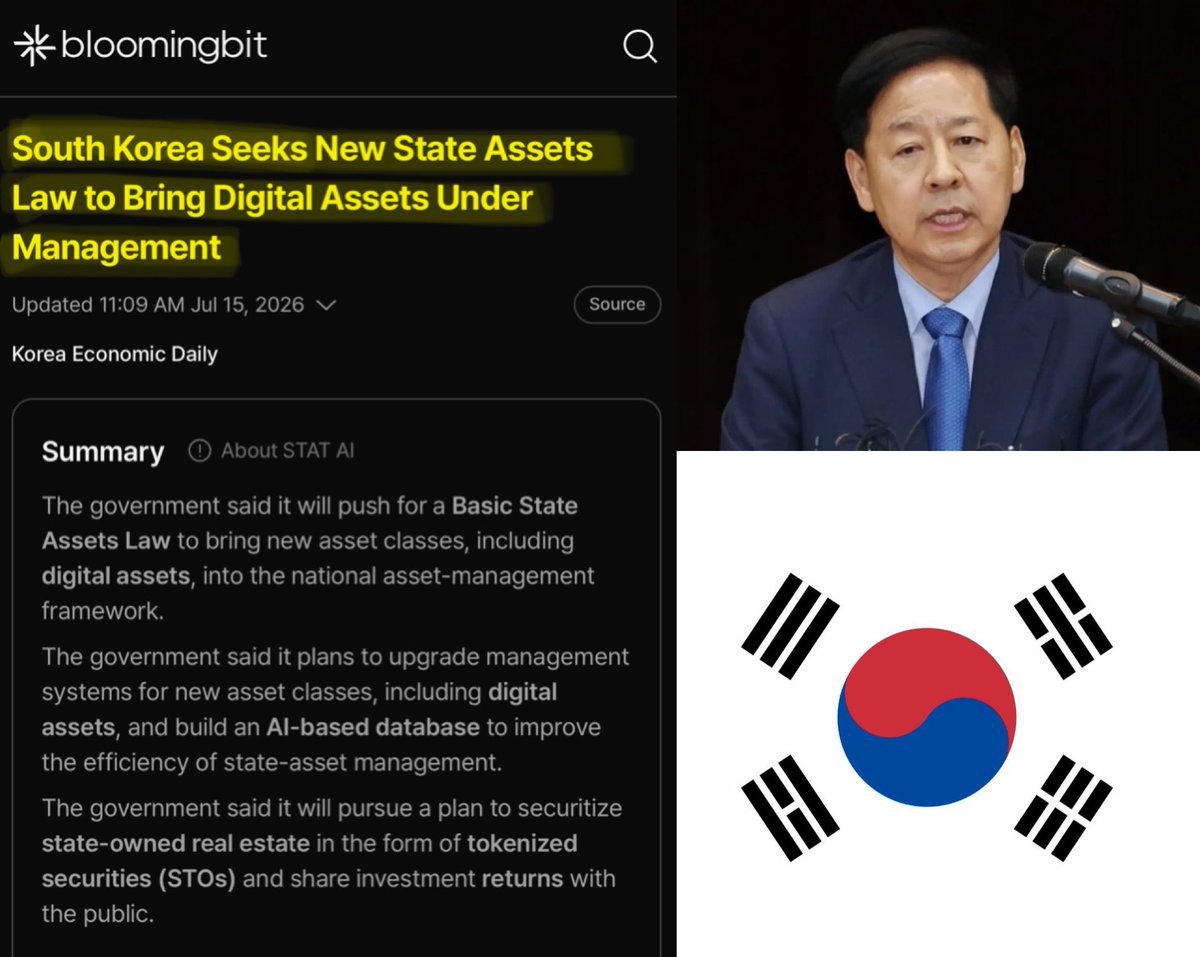
What Happened
In a groundbreaking development, South Korea has officially recognized cryptocurrency as a “national asset.” This decision marks a significant policy shift in the nation’s approach to digital currencies and blockchain technology. The South Korean government plans to tokenize state-owned real estate as securities through Security Token Offerings (STOs), aiming to share the returns with the public.
Why It Matters
This recognition of cryptocurrency as a national asset could have far-reaching implications for the financial landscape in South Korea and beyond. By tokenizing state-owned properties, the government is not only embracing innovation but also creating new investment opportunities for citizens. This move may help to democratize access to real estate investments, allowing more individuals to participate in the property market.
Moreover, this initiative aligns with global trends where governments are increasingly exploring the benefits of blockchain technology. Countries like the United States and several European nations are also considering similar frameworks to regulate and promote the use of digital currencies.
Market Reaction
Although specific market reactions to this announcement are still unfolding, the broader cryptocurrency market has shown resilience in recent months. Bitcoin (BTC) and Ethereum (ETH) have maintained relatively stable prices, with BTC hovering around $30,000 and ETH around $2,000 as of mid-July 2026. The potential for increased legitimacy and adoption of cryptocurrencies could spur investor interest and lead to price fluctuations in the coming weeks.
Future Implications
As South Korea moves forward with its plans to tokenize real estate, other nations may look to this model as a blueprint for their own cryptocurrency regulations and initiatives. The success of these projects could lead to a ripple effect, encouraging more governments to recognize digital assets as valuable components of their economies.
Furthermore, the South Korean government’s approach could enhance public trust in cryptocurrencies, which has been a significant barrier to wider adoption. By integrating crypto into the national asset framework, South Korea may pave the way for a more stable and regulated market.
Conclusion
South Korea’s decision to recognize cryptocurrency as a national asset is a pivotal moment for the industry. This policy shift not only positions the nation as a leader in blockchain innovation but also sets the stage for potential economic growth through increased public participation in digital asset markets. As the situation develops, stakeholders in the cryptocurrency space should monitor how this initiative influences market dynamics and global regulatory trends.




Comments are closed.