
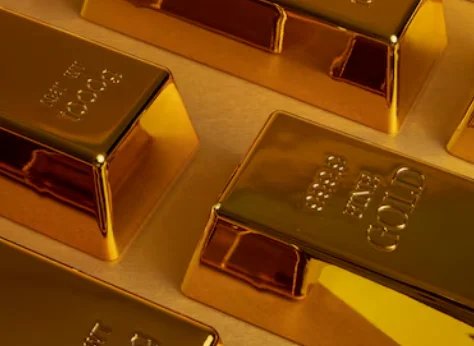
Gold Slips 0.54% to $4,401.1 as Contango Builds
Gold changed hands at $4,401.1 on Monday, 21 September 2026, down 0.54% on the session. The decline comes as futures markets for both gold and silver show deepening contango, a structure that has historically preceded sharp repricing in precious metals.
Contango occurs when longer-dated futures trade above near-term contracts, signaling that storage and financing costs outweigh immediate demand. For silver, the spread between front-month and 2027 contracts has widened to levels not seen since the 2020 pandemic squeeze. Gold’s curve is also steeper, though less extreme.
That widening matters because it incentivizes traders to sell spot and buy futures, delaying physical delivery. If the contango persists, it could weigh on spot prices into year-end. But if it flips to backwardation—when near-term contracts trade above longer-dated ones—it would signal a physical shortage and potentially trigger a violent upside move.
Why 2027 Contracts Are the Key to This Trade
The 2027 futures contracts are pricing in a different world than today. For silver, December 2027 futures trade at a premium of more than 8% over the December 2026 contract. That’s a bet on higher rates, stronger industrial demand, or both. Gold’s December 2027 premium is closer to 3.5%.
Such wide contango typically reflects ample above-ground supply and low lease rates. But it also creates a carry trade: buy spot, sell futures, and pocket the spread. That works until storage costs rise or physical demand surges. If that happens, the carry unwind can be brutal.
Investors should note that the current gold price of $4,401.1 is still up 12% year-to-date, despite today’s dip. Silver, by contrast, has underperformed, rising just 4% in 2026. That divergence is partly why the contango in silver is more pronounced.
What a Contango Unwind Would Mean for Prices
If contango narrows or flips to backwardation, the first casualty would be the carry trade. Traders who are short futures and long spot would face margin calls, forcing them to buy back futures. That could push near-term prices higher while longer-dated contracts fall.
The last time silver’s curve flipped to backwardation was in March 2020, when the pandemic disrupted supply chains. Spot silver rallied 15% in two weeks. A similar move today from $28 per ounce would put silver above $32, while gold could test $4,800 if its curve follows.
But the opposite is also possible. If contango persists, it signals that the market expects ample supply and subdued inflation. In that case, gold could drift toward $4,200 and silver toward $25 by year-end.
Industrial Demand and Fed Policy Are the Wildcards
Silver’s dual role as a monetary and industrial metal makes it more sensitive to manufacturing data. Solar panel demand, which accounts for 12% of silver consumption, is projected to grow 8% in 2027, according to industry estimates. If that growth accelerates, it could tighten physical supply and narrow contango.
Meanwhile, the Federal Reserve’s rate path remains uncertain. Fed funds futures currently price a 60% chance of one more hike by December 2026. Higher rates raise the cost of carrying gold and silver, widening contango further. A pause or cut would do the opposite.
Geopolitical risks are another factor. Any escalation in the Middle East or a new banking crisis would send investors fleeing to gold, potentially overwhelming the contango trade. Gold’s 0.54% drop today suggests that hasn’t happened yet.
Watch These Levels and Dates to Confirm the Thesis
The first sign of a shift would be the December 2026–December 2027 spread for silver narrowing below 5%. That would indicate the carry trade is unwinding. For gold, watch the $4,350 support level; a break below could trigger momentum selling toward $4,200.
Also keep an eye on the next Federal Reserve meeting. A dovish surprise could spark a rally in both metals, while a hawkish hold would reinforce contango. Finally, the next Commitment of Traders report, due Friday, 25 September, will show whether speculative shorts are building. If they are, a short squeeze could be the catalyst that flips the curve.









Comments are closed.