

Brent Crude Plunges 5.7% To $97.92
Brent crude oil tumbled 5.73% on Monday, 21 September 2026, settling at $97.92 a barrel as traders bet that supply disruptions from Saudi Arabia would be short-lived. The sharp sell-off came even as geopolitical tensions in the Middle East continued to escalate, with reports of ongoing clashes in the region.
The move marks one of the largest single-day percentage drops for the global benchmark this year. The front-month contract had been hovering near $104 before the session began, but selling pressure accelerated through the afternoon as algorithmic funds and commodity trading advisors trimmed long positions.
Saudi Shipments Remain ‘Surprisingly Strong’
According to market participants, crude flows from Saudi Arabia have remained surprisingly strong, defying expectations of a major disruption. Shipping data tracked by several analytics firms showed that loadings from key Saudi terminals were little changed from the prior week.
“The market was pricing in a risk premium of at least $5 to $7 a barrel, and that is now being unwound,” said a London-based energy strategist. “The fact that flows are still moving suggests that either the infrastructure is more resilient than feared, or the conflict is being contained away from export routes.”
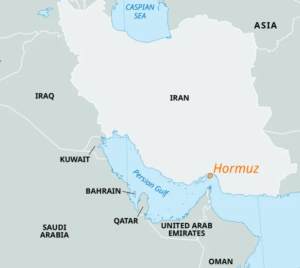
That view was reinforced by satellite tracking, which indicated that tanker traffic through the Strait of Hormuz—through which roughly 20% of global oil passes—remained normal as of Monday morning. No major insurance premium hikes for tankers have been reported so far.
Why Traders Are Watching The Strait Of Hormuz
The Strait of Hormuz is the world’s most critical oil chokepoint. Any disruption there would immediately affect millions of barrels per day of exports from Saudi Arabia, Iraq, Kuwait, and the UAE. So far, the strait remains open, but the risk of a miscalculation is high.
Traders are also monitoring the ongoing conflict between Israel and Hamas, which has already drawn in regional players. On 18 September 2026, a drone attack targeted a Saudi oil facility, but damage was minimal and production was not halted. That event initially spiked Brent by 2%, but the gains fully reversed by Monday’s close.
“The market is becoming desensitized to headlines,” said a commodities analyst at a major bank. “Unless we see actual barrels lost, the path of least resistance is lower.”
What $97.92 Means For Inflation And Central Banks
Oil’s slide is a welcome development for central banks battling sticky inflation. Lower energy costs feed directly into headline CPI and can ease pressure on policymakers to keep rates higher for longer. The Federal Reserve, which meets in November, has repeatedly cited energy prices as a key variable in its outlook.
For consumers, a sustained drop below $95 would translate into relief at the pump, though the pass-through takes weeks. For oil-exporting nations, however, the price decline strains budgets. Saudi Arabia’s fiscal breakeven oil price is estimated at around $85 per barrel, so $97.92 still provides a comfortable buffer—but a further slide would test that.
Positioning: Hedge Funds Cut Longs, But Dip Buyers Lurk
Commodity Futures Trading Commission data for the week ending 16 September showed that money managers had already reduced net-long positions in Brent by 12% from the prior week. Monday’s drop likely forced further liquidation.
Still, some traders see value. “At $97.92, Brent is pricing in a lot of good news on supply,” said a portfolio manager at an energy-focused fund. “If tensions escalate, we could easily see a snapback to $105.”
Options markets show that implied volatility for Brent has risen, with more demand for upside calls than puts—suggesting that some investors are hedging against a sudden spike.
What To Watch: Inventory Data And OPEC+ Signals
The next catalyst will be the weekly U.S. crude inventory report from the Energy Information Administration, due Wednesday, 23 September. A larger-than-expected build could push Brent below $95. Conversely, a draw would signal that demand remains resilient.
Traders will also parse comments from OPEC+ ministers, who are scheduled to meet informally at the end of the month. Any hint of production cuts could put a floor under prices. For now, the market’s focus is squarely on whether Saudi flows continue to defy the conflict—and whether $97.92 is a waypoint or a warning.









Comments are closed.