
US Threatens to Shut Down Iranian Airlines Globally
On Monday, September 21, 2026, US Treasury Secretary Scott Bessent issued a stark warning to Iranian airlines: comply with US sanctions or face a global shutdown. In an interview with CNBC, Bessent said that if Iranian planes land at foreign airports, those airports must refuse to refuel them, provide landing services, or sell tickets—or risk being cut off from the US dollar system. This escalation comes amid soaring energy commodity prices and reported efforts to achieve peace between the US and Iran.
Bessent’s threat is the latest in a series of verbal escalations, but it carries significant economic weight. The US dollar remains the dominant currency for international trade, and exclusion from it can cripple a country’s financial system. For Iran, which has already been subject to heavy sanctions, this move could further isolate its aviation sector and exacerbate economic pressures.
Why The Dollar System Is The Real Weapon
The US dollar’s role as the world’s reserve currency gives Washington immense leverage. Foreign banks and companies that violate US sanctions can be barred from dollar-denominated transactions, effectively cutting them off from global finance. Bessent’s warning extends this principle to aviation services: any airport that services Iranian aircraft could face secondary sanctions.
This tactic has been used before. In 2018, the US withdrew from the Iran nuclear deal and reimposed sanctions, leading to major airlines suspending flights to Iran. Now, the threat is broader: it targets not just Iranian carriers but any international airport that facilitates their operations. The message is clear: do business with Iran, and you risk your access to the dollar.
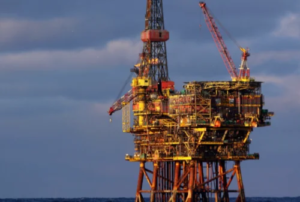
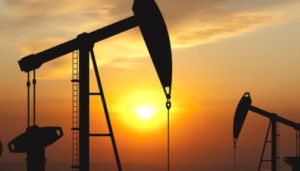
Oil markets are already jittery. Brent crude has been trading above $95 per barrel, and WTI is near $92, as tensions in the Middle East threaten supply routes. The US Oil Fund (USO) and United States Brent Oil Fund (BNO) have seen increased volatility. If Iran’s airlines are grounded, it could disrupt not only passenger travel but also cargo shipments, including oil-related equipment and spare parts.
What This Means For Global Aviation And Energy
Iranian airlines, including Iran Air and Mahan Air, operate flights to Europe, Asia, and the Middle East. If airports comply with the US threat, these routes could be severed. That would force Iran to rely on land transport or friendly carriers, increasing costs and delays. For passengers, it means fewer options and higher fares.
The energy sector is particularly sensitive. Iran is a major oil producer, and any disruption to its exports could tighten global supply. However, the bigger risk is to international airlines and airports that may be caught in the crossfire. European carriers like Lufthansa and Air France-KLM have historically served Iran; they now face a dilemma: continue service and risk US penalties, or suspend flights and lose revenue.
Bessent’s comments also come as the US and Iran are reportedly engaged in peace talks. The timing suggests that Washington is using economic pressure to gain leverage. But it could backfire if it derails negotiations. The next few days will be critical: if Iran responds with countermeasures, such as blocking the Strait of Hormuz, oil prices could spike further.
Watching The Next Move: Sanctions Or Settlement
Investors should monitor two key indicators: the price of Brent crude and any official response from Iran. If Brent breaks above $100, it would signal that markets are pricing in a supply disruption. Conversely, if diplomatic talks progress, oil could retreat. Also, watch for announcements from major airports in Europe and Asia about their compliance with the US threat. The first airline to suspend Iran service will be a bellwether.
For now, the US dollar’s dominance remains unchallenged, but the tactic of secondary sanctions is not without costs. It can strain relations with allies and push adversaries to seek alternatives. As Bessent’s deadline looms, the world will see whether Iran’s airlines are grounded or whether a last-minute deal averts the crisis.






Comments are closed.