
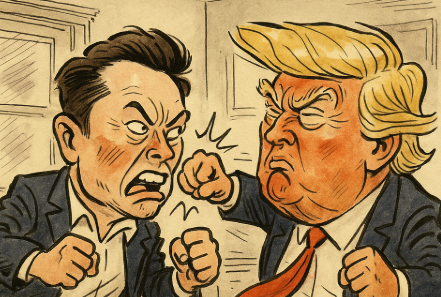
Trump Sets July 4 Tariff Deadline for EU Trade Deal
President Donald Trump has escalated trade tensions with the European Union, warning that he will impose “much higher” tariffs on EU goods if a trade agreement is not ratified by July 4. The ultimatum, delivered in a statement on Tuesday, marks a new deadline in the ongoing negotiations between the world’s two largest economies.
The president’s remarks signal a significant hardening of his administration’s stance, coming after months of back-and-forth talks that have yielded limited progress. Trump’s demand for a swift resolution reflects his trademark negotiating style, often setting hard deadlines to force concessions.
Market Impact and Currency Moves
The euro weakened against the dollar following the announcement, with EURUSD slipping 0.3% to 1.0840. The dollar index (DXY) rose to 104.5, as traders sought safe-haven assets amid renewed trade uncertainty. European equity markets also faced pressure, with the STOXX 600 index falling 0.5% in early trading.
Analysts at Goldman Sachs noted that the threat of higher tariffs could disrupt supply chains and weigh on Eurozone growth, potentially pushing the European Central Bank to adopt a more accommodative policy stance. The U.S. Chamber of Commerce warned that a trade war would harm both economies, urging both sides to reach a deal quickly.
Historical Context and Negotiation Stakes
The U.S.-EU trade relationship is one of the largest in the world, with bilateral trade exceeding $1.3 trillion annually. Previous negotiations under the Trump administration led to a temporary truce in 2019, but key issues such as agricultural access, digital services taxes, and steel tariffs remain unresolved.
The July 4 deadline holds symbolic weight, as it coincides with American Independence Day, a date Trump often uses to emphasize national sovereignty. The president has previously used similar tactics with China, setting deadlines that eventually led to the Phase One trade deal in 2020. However, experts caution that the EU may be less willing to make concessions given its own internal political pressures and upcoming elections.
Broader Economic Implications
If the U.S. imposes higher tariffs, it could reignite inflation pressures in both regions, as higher import costs are passed on to consumers. The Peterson Institute for International Economics estimates that a 25% tariff on EU goods could cut U.S. GDP by 0.2% and EU GDP by 0.3% over two years.
Investors are closely watching the March trade data, due for release next week, which may provide early signals of trade flows. Meanwhile, the Federal Reserve has indicated it will monitor the situation but has not yet adjusted its policy outlook based on the tariff threat.
Summary and Outlook
The clock is ticking for EU negotiators, who must secure a deal by July 4 to avoid steep tariffs. While both sides express a desire for an agreement, fundamental disagreements remain. The next few weeks will be critical in determining whether the world sees further trade fragmentation or a negotiated compromise. Markets are likely to remain volatile until clarity emerges.










Comments are closed.