
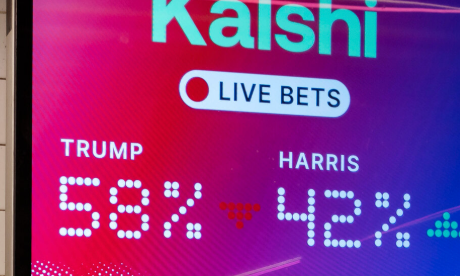
Kalshi Bans Three Politicians for Election Bets
Prediction market platform Kalshi has banned three U.S. politicians for placing bets on their own election races, according to recent reports. The platform, which is regulated by the Commodity Futures Trading Commission (CFTC), took action against the individuals for what it deemed a clear conflict of interest and potential insider trading.
The banned individuals include Matt Klein, a sitting Minnesota State Senator, and Mark Moran, a candidate. Klein stated he placed a bet out of “curiosity,” while Moran claimed his action was intended to test how Kalshi would respond to insider trading activity. The identity of the third politician has not been publicly disclosed.
This incident highlights the unique regulatory and ethical challenges facing prediction markets as they intersect with political events. Kalshi’s terms of service explicitly prohibit participants from trading on non-public information or events where they have a direct, material influence.
Market Context and Regulatory Scrutiny
The enforcement action occurs as prediction markets gain mainstream attention for their potential to forecast election outcomes and economic events. Kalshi, founded in 2018, received CFTC approval to offer event contracts in 2022, a significant milestone for the industry.
Unlike unregulated crypto-based prediction markets, Kalshi operates within the U.S. regulatory framework. This requires strict compliance with rules designed to prevent market manipulation and insider trading, similar to those governing traditional financial securities.
The platform allows users to trade contracts on outcomes ranging from Federal Reserve rate decisions to election results. The volume on political contracts has surged during election cycles, attracting both retail and institutional interest.
Why Integrity Is Paramount
For prediction markets to function as credible information-discovery tools, maintaining market integrity is essential. If participants can profit from non-public knowledge or direct influence over an event, the market prices become distorted and unreliable.
This principle is why financial markets have strict insider trading laws. Applying similar logic to political event contracts is a complex but necessary step for regulated prediction markets. Kalshi’s ban signals its commitment to enforcing these rules, even against politically connected individuals.
The incident tests the operational robustness of these new financial instruments. It demonstrates that the platform has monitoring systems in place to detect suspicious activity, a requirement for maintaining its regulatory license.
Broader Implications for Prediction Markets
This ban arrives during a period of intense scrutiny for alternative data and forecasting tools. Financial institutions increasingly use diverse data streams, including sentiment from prediction markets, to inform trading strategies.
A loss of confidence in the integrity of these markets could diminish their value as a data source. It could also prompt stricter regulatory proposals from lawmakers concerned about the potential for corruption or election interference.
Other prediction market platforms, both regulated and decentralized, will likely review their own policies in response. The action sets a precedent for how platforms should handle clear conflicts of interest, potentially leading to more standardized industry practices.
The Path Forward for Event Contracts
The long-term success of prediction markets depends on balancing accessibility with rigorous safeguards. Platforms must walk a fine line: allowing sufficient participation to ensure liquid, efficient markets while preventing abuse that could undermine the entire model.
Technological solutions, such as improved identity verification and transaction monitoring algorithms, will be crucial. So too will clear legal frameworks that define prohibited activities without stifling innovation.
For investors and observers, the integrity of price discovery mechanisms remains a critical factor. Markets that consistently police themselves effectively may gain a competitive advantage in attracting credible volume.
Summary and Takeaway
Kalshi’s ban on three politicians for betting on their own races underscores the growing pains of regulated prediction markets. It reinforces that these platforms are subject to serious financial market rules, not merely novelty websites. The enforcement action protects the integrity of price discovery, which is the core value proposition of event contracts.
Moving forward, expect continued regulatory focus on how these markets operate, especially around politically sensitive events. Platforms that proactively manage conflicts of interest and insider trading risks are more likely to secure long-term legitimacy and utility in the financial data ecosystem.









Comments are closed.