
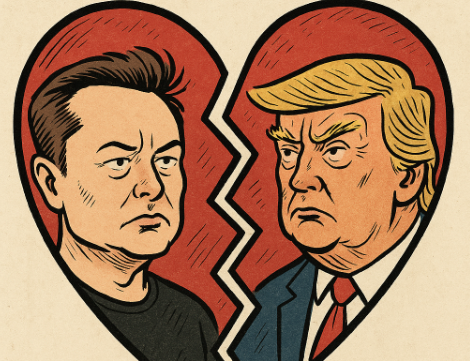
Trump Suggests Government Intervention for Struggling Spirit
Former President Donald Trump has suggested the U.S. government should potentially intervene to assist Spirit Airlines, a carrier facing significant financial headwinds. In an interview with CNBC’s “Squawk Box,” Trump stated, “I think I’d love somebody to buy Spirit, as an example,” while also indicating openness to government help for the airline.
The comments come at a critical juncture for the ultra-low-cost carrier. Spirit’s stock has been under immense pressure following a federal judge’s decision in January to block its proposed $3.8 billion merger with JetBlue Airways. The blocked deal, which was intended to create the nation’s fifth-largest airline, has left Spirit navigating a challenging path forward as an independent entity.
Spirit’s operational model, which relies heavily on price-sensitive leisure travelers, has struggled with rising costs and intense competition. The airline has reported consecutive quarterly losses and faces a substantial debt load, leading to concerns about its long-term viability without a strategic partner or significant restructuring.
Market Context and Immediate Reaction
Spirit Airlines shares, traded under the ticker $SAVE, have experienced extreme volatility over the past year. The stock plummeted more than 60% after the merger blockage was announced and has traded with high short interest, reflecting deep skepticism from some investors. JetBlue Airways ($JBLU) shares also faced selling pressure post-ruling, though the impact was less severe.
Trump’s remarks introduce a new, unpredictable variable into the airline’s outlook. While not a formal policy proposal, commentary from a leading presidential candidate can influence market sentiment and regulatory expectations. The notion of government assistance for a specific, publicly-traded company is unusual and would likely face significant legal and political hurdles.
The U.S. airline industry has a complex history with government intervention, most recently during the COVID-19 pandemic through the CARES Act payroll support program. However, that was a broad-based, crisis-response measure, not targeted aid for a single struggling carrier.
Why Government Aid Faces Steep Challenges
Any direct government assistance to Spirit Airlines would likely require legislative action, a high bar in a divided Congress. It could also raise antitrust and fair competition concerns, as rival airlines would argue against using public funds to prop up a competitor.
Alternative paths include facilitating a sale to another airline, though antitrust regulators have recently shown a strong stance against further industry consolidation. Another potential buyer has not publicly emerged since the JetBlue deal collapsed. Spirit could also pursue a Chapter 11 bankruptcy restructuring, which would allow it to renegotiate debts and leases, though this path carries significant risks for shareholders.
Broader Implications for Aviation and Markets
The situation highlights the fragile economics of the ultra-low-cost carrier segment. Rising fuel, labor, and financing costs have squeezed margins, making it difficult for airlines like Spirit to maintain their rock-bottom fare model while remaining profitable. A failure or forced consolidation could reduce competition and potentially lead to higher fares in certain markets.
For investors, the episode underscores the regulatory and political risks inherent in the transportation sector. Merger arbitrage, which involves betting on the completion of deals like the Spirit-JetBlue combination, carries high stakes when government approval is uncertain. The sector remains sensitive to macroeconomic conditions, fuel price swings, and consumer demand trends.
Looking ahead, Spirit’s management faces the difficult task of convincing the market it has a viable standalone plan. The company may need to raise capital, adjust its route network, or alter its pricing strategy to improve its financial footing. Any further developments regarding potential strategic alternatives will be closely watched.
Summary and Forward Look
Donald Trump’s offhand remarks have thrown a speculative spotlight on Spirit Airlines’ precarious future. While direct government aid remains a long shot, the commentary refocuses attention on the carrier’s need for a solution. The blocked JetBlue merger left a strategic void, and the market is skeptical of Spirit’s ability to thrive alone.
Investors should monitor Spirit’s upcoming earnings reports for signs of operational improvement or liquidity concerns. The political discourse around corporate bailouts may also evolve during the election cycle, though substantive policy changes are unlikely in the immediate term. For now, Spirit’s fate appears tied to its own restructuring efforts and the broader economic environment for travel.









Comments are closed.