
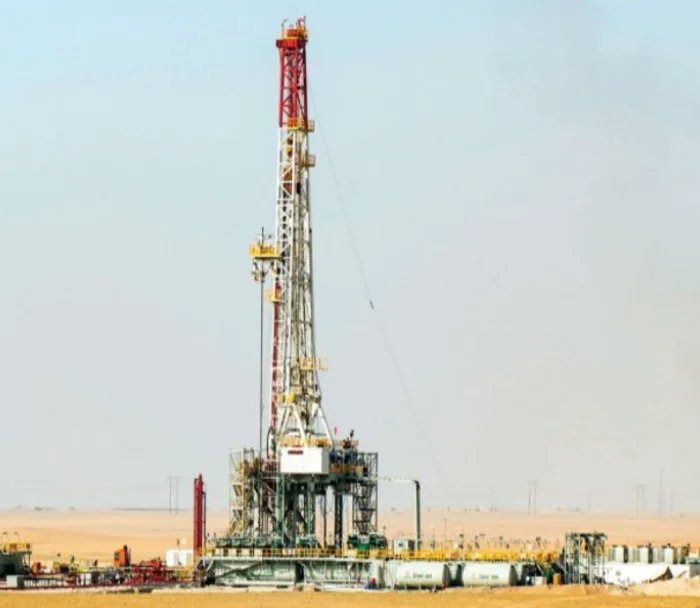
Iran-Oman Agreement Moves To Final Stage
Iran announced on Monday that talks with Oman over a deal concerning the Strait of Hormuz are in their final stages, according to state media. The proposed agreement, which has not been confirmed by either the United States or Oman, could reshape the security landscape for one of the world’s most critical oil transit chokepoints.
The Strait of Hormuz, a narrow waterway between the Persian Gulf and the Gulf of Oman, carries roughly 20% of global oil consumption and about 21 million barrels per day of crude and refined products, based on U.S. Energy Information Administration data. Any disruption could send energy prices spiraling, making this diplomatic development a key focus for traders.
What The Deal Could Mean For Oil Flows
While details remain scarce, a formal agreement between Iran and Oman might include joint navigation safety protocols, maritime patrol coordination, or even a framework for de-escalation in the strategic waterway. Analysts suggest that even a modest pact could reduce the risk of accidental confrontations between Iranian forces and international shipping.
However, skeptics point out that Iran has previously made similar overtures without concrete outcomes. The lack of U.S. or Omani official comment underscores the uncertainty. If finalized, the deal could ease fears of supply disruptions, potentially pressuring crude prices; conversely, failure to reach an agreement could heighten geopolitical risk premiums.
Oil Prices React To Geopolitical Signals
Brent crude futures hovered near $82 per barrel at press time, while WTI traded around $78, reflecting cautious optimism. The potential for a diplomatic breakthrough has capped gains, but traders remain wary of Iran’s history of using the strait as leverage in negotiations with the West.
Market participants are also monitoring U.S. inventory data and OPEC+ production policies, which could amplify or offset the impact of any Hormuz-related news. A confirmed deal would likely trigger a selloff in energy stocks and commodities, while a breakdown could spike volatility across the sector.
Who Stands To Gain Or Lose
For global shippers and insurance underwriters, a formal agreement could reduce war-risk premiums on vessels transiting the strait, lowering operational costs. Conversely, countries like Saudi Arabia and the UAE, which rely heavily on the waterway, would benefit from any stability that ensures unhindered exports.
On the other hand, a weak or unenforceable deal might give Iran more room to disrupt traffic without consequence, emboldening hardliners. The strategic balance in the region remains fragile, and any agreement will need robust verification mechanisms to be credible in international markets.
What To Watch For In The Coming Weeks
Investors should look for official statements from Oman or the U.S., as their silence so far suggests ongoing negotiations. A formal signing ceremony or a joint communiqué would be a strong signal of implementation.
Key metrics to track include the volume of oil tanker transits through the strait, any changes in marine insurance rates, and the next OPEC+ meeting. If oil prices sustain a drop below $75 per barrel after a confirmed deal, that would indicate the market has priced in a significant reduction in geopolitical risk.






Comments are closed.