
Iran’s Economic Response Escalates Oil Risk Premium
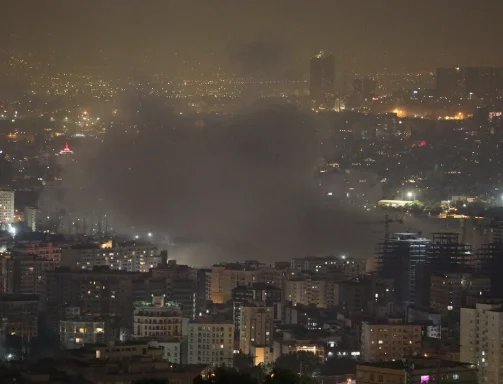
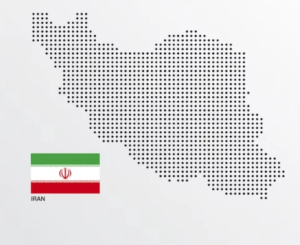
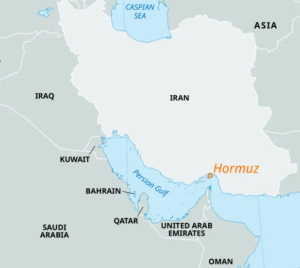
On Sunday, September 6, 2026, Iran vowed an economic response to renewed fighting, heightening concerns over oil supply disruptions in the Strait of Hormuz. The strait handles roughly 20% of global oil consumption, making any threat to tanker traffic a direct trigger for crude prices. This development follows a weekend of clashes that markets had largely discounted, and the rhetoric now points to non-military but economically damaging measures.
Iran’s leadership, in a statement carried by state media, said it would use “all economic levers” to counter recent actions, without specifying exact measures. Analysts interpret this as a potential move to restrict shipping inspections, impose new fees on tankers, or coordinate with OPEC allies to adjust output. The ambiguity itself is pressuring prices, as traders price in a wider range of outcomes.
Crude Benchmarks and Tanker Rates Already Reacting
Brent crude futures, tracked by the BNO ETF, rose 2.3% on Friday, September 4, to settle near $87.50 per barrel, while WTI, via USO, climbed 2.1% to $84.20. Tanker rates for routes through the strait have also increased, with war-risk insurance premiums for vessels entering the region jumping by an estimated 15% over the past 48 hours, according to shipping brokerage data. These moves reflect a market that had been complacent after a relative lull in tensions since mid-August.
The economic response vow is distinct from military escalation, but it targets the same chokepoint. Iran has previously threatened to close the strait, though it has never fully done so. Current signals suggest a more calibrated approach: slowing traffic via inspections or introducing new documentation requirements, which would still disrupt just-in-time supply chains and raise freight costs globally.
Who Gains and Who Loses From a Supply Squeeze
Oil-importing nations in Asia, particularly India and South Korea, are the most exposed. They rely heavily on Middle Eastern crude and have limited strategic reserves to buffer prolonged disruptions. Conversely, U.S. shale producers and non-OPEC exporters in the Atlantic Basin stand to benefit from higher prices, as their output becomes more competitive. For example, U.S. crude exports have already risen by 200,000 barrels per day over the past month, according to EIA data, as Asian buyers seek alternatives.
The broader economic impact is inflationary. A sustained $5 per barrel increase in oil prices could add about 0.3 percentage points to global headline inflation within six months, based on IMF elasticity estimates. This complicates central bank policy, particularly for the Federal Reserve, which is already balancing rate-cut expectations with sticky services inflation. Markets are now pricing a 65% chance of a 25-basis-point cut at the September 17 FOMC meeting, down from 80% a week ago, as energy costs feed into near-term inflation forecasts.
OPEC’s Response and Spare Capacity Constraints
OPEC+ is scheduled to meet on September 10 to discuss production levels, and the renewed tension adds pressure to increase output. However, spare capacity is concentrated in Saudi Arabia and the UAE, estimated at around 3.5 million barrels per day combined. If Iran follows through on economic measures that reduce its own exports, it could offset any OPEC+ increase, creating a net supply deficit. The group’s previous decision to unwind voluntary cuts of 2.2 million barrels per day was already controversial, and a spike in prices would give them cover to accelerate that unwinding.
Yet, Iran is not currently bound by OPEC+ quotas, and its exports of around 1.5 million barrels per day, mostly to China, are already under sanctions. Economic retaliation could involve blocking or taxing those flows, which would not affect official OPEC figures but would tighten the physical market. Traders should watch for any announcement from Tehran regarding shipping or banking channels, as that would signal the mechanism of response.
Watch for Concrete Measures and the September 10 OPEC Meeting
The immediate catalyst will be Iran’s next official statement, expected within days, detailing which economic tools it will deploy. Key metrics to monitor are tanker insurance rates and the volume of vessels entering the strait, which are available daily. A sustained drop in transit counts below 80% of normal would confirm a real squeeze, pushing Brent toward $90. Conversely, if Iran limits itself to rhetorical threats, prices could retreat quickly to $85.
Also crucial is the OPEC+ meeting on September 10, where any output increase larger than 500,000 barrels per day would likely cap gains. Until then, volatility will remain elevated, and the risk premium will stay embedded in crude futures. The next 72 hours are critical for distinguishing between posturing and policy.





Comments are closed.