
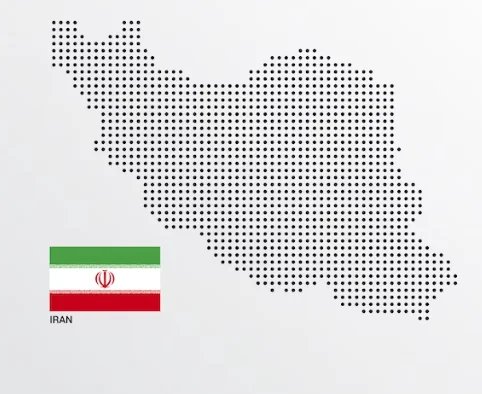
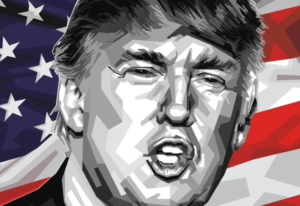
- Iran says it remains committed to a diplomatic path after President Trump rejected a peace plan aimed at ending the conflict.
- Washington’s dismissal of the proposal leaves negotiations at an impasse, with no new talks announced.
- Energy markets are the primary transmission channel, with traders watching Gulf shipping lanes and crude benchmarks.
- Safe-haven demand has historically supported gold and Treasuries during Middle East escalations.
- No confirmed disruption to Strait of Hormuz transit has been reported.
Iran’s foreign ministry signaled that Tehran still favors a negotiated settlement after President Trump rejected a peace plan intended to halt the conflict, leaving the diplomatic track stalled with no fresh round of talks announced. The public insistence on diplomacy, even after the proposal was turned down, suggests Tehran wants to keep channels open while avoiding the appearance of capitulation. For markets, the immediate question is whether the rejection is a negotiating tactic or a durable shift toward escalation.
Why Energy Is the First Market to Move
The most direct financial transmission channel runs through oil. The Persian Gulf and the Strait of Hormuz carry a substantial share of globally traded crude, and any credible threat to transit tends to lift benchmark prices quickly. Brent and West Texas Intermediate have repeatedly shown sensitivity to headlines from the region, with options markets pricing fatter tails on upside moves. Traders typically watch tanker rates, war-risk insurance premiums, and loading schedules as early indicators before spot prices fully reprice. Natural gas and refined products can follow, particularly diesel and jet fuel, which are more tightly supplied than crude in many regions. That matters for headline inflation, because energy costs feed into transport, freight, and eventually consumer prices. A sustained oil spike would complicate the interest-rate outlook for major central banks that have been weighing how quickly to ease policy. Equity markets, by contrast, often absorb geopolitical shocks if the energy move proves temporary; the damage comes when higher fuel costs persist long enough to compress margins and curb demand.
Safe Havens, Equities, and the Risk Premium
Gold and US Treasuries are the conventional destinations for capital seeking shelter during Middle East escalations, and both have historically rallied on acute risk-off episodes. The dollar can also firm as a liquidity refuge, which in turn tightens financial conditions for emerging markets and commodity importers. Defense contractors sometimes see relative strength on expectations of higher procurement, though that reaction is usually narrower and more speculative than the broad energy move.
What Would Change the Picture
The decisive variable is physical supply, not rhetoric. Confirmed interference with shipping, strikes on energy infrastructure, or sanctions that remove barrels from the market would convert a headline-driven risk premium into a structural price shift. Absent that, past episodes suggest markets tend to fade geopolitical spikes within weeks as attention returns to earnings, growth, and central bank guidance. The absence of any reported disruption to Strait of Hormuz transit so far is a meaningful restraint on prices. For now, the standoff is best understood as a negotiation with an unresolved endpoint. Iran’s stated preference for a diplomatic solution keeps a deal theoretically alive, while the rejection of the plan removes the near-term catalyst that markets had briefly priced. Investors are likely to trade the headlines tactically, hedging energy exposure and holding defensive positions, until either talks resume or the situation moves from rhetoric toward material disruption. The gap between those two outcomes is where most of the volatility will live.






Comments are closed.