
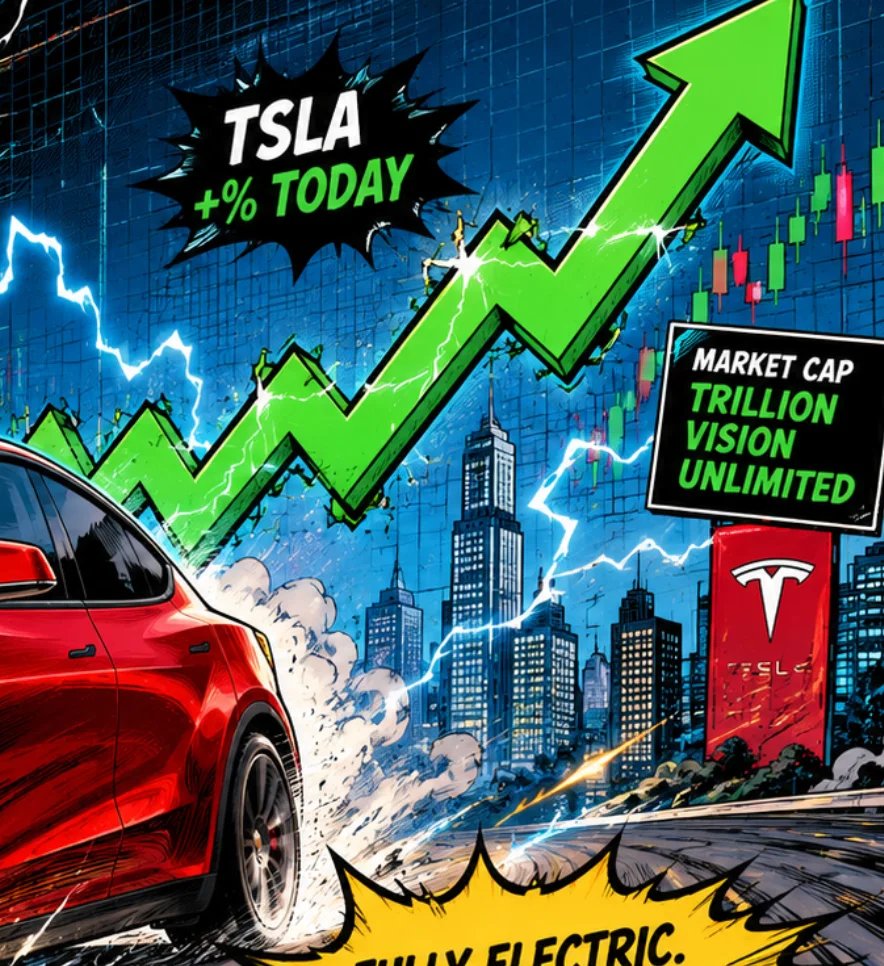
Musk’s Wealth Isn’t Liquid—It’s Tied to Tesla and SpaceX
On September 5, 2026, Elon Musk fired back at Senator Bernie Sanders on X (formerly Twitter), responding to criticism over his estimated $900 billion fortune. Musk clarified that the bulk of his wealth is not sitting in a bank account but is tied up in equity stakes in Tesla (TSLA) and privately held SpaceX.
In his post, Musk emphasized that his net worth is a function of stock market valuations and future growth prospects, not liquid cash reserves. This distinction matters because it reframes the debate about billionaire wealth and taxation, especially as Sanders has long advocated for wealth taxes on the ultra-rich.
The $900 Billion Figure: How It Breaks Down
While the exact breakdown of Musk’s fortune is not public, analysts estimate that his stake in Tesla accounts for the majority of his net worth, with SpaceX representing a significant secondary component. As of early September 2026, Tesla’s market capitalization hovers around $1.2 trillion, and Musk owns roughly 13% of the company, according to recent filings.
SpaceX, though private, has been valued at approximately $350 billion in recent funding rounds, with Musk holding a roughly 42% stake. Combined, these holdings explain the staggering $900 billion figure, but they also highlight the illiquid nature of his wealth—he cannot easily convert these stakes into cash without triggering massive market sell-offs or regulatory hurdles.
Why Stock-Backed Wealth Changes the Tax Debate
Musk’s response underscores a key argument against wealth taxes: taxing unrealized gains would force billionaires to sell assets to pay tax bills, potentially destabilizing markets. For Tesla, a forced sale of even a fraction of Musk’s shares could flood the market and pressure the stock price, impacting the broader S&P 500 index (SPX), where Tesla is a top component.
Data from the Federal Reserve shows that the top 1% of U.S. households hold over 50% of their wealth in corporate equities and mutual funds. This concentration makes wealth taxes politically charged, as critics argue they could distort investment decisions and innovation incentives.
Market Context: Tesla Stock and Investor Sentiment
Investors are watching this exchange closely, as Musk’s public spats have occasionally moved Tesla’s stock. Over the past month, TSLA shares have been volatile, trading between $250 and $320, as concerns about delivery growth and competition from Chinese EV makers persist. The latest exchange with Sanders is unlikely to change Tesla’s fundamentals, but it keeps Musk in the spotlight ahead of the company’s Q3 delivery report due in early October.
Meanwhile, the broader market remains sensitive to Fed policy, with the next Federal Open Market Committee meeting scheduled for September 16–17. Any hints about interest rate cuts could boost growth stocks like Tesla, while a hawkish stance might reverse recent gains.
What to Watch Next: Musk’s Share Sales and Wealth Tax Proposals
The critical number to monitor is Musk’s next Form 4 filing with the SEC, which would reveal any new Tesla share sales. If he opts to sell a small percentage of his stake—perhaps to fund SpaceX projects or pay off margin loans—it could signal liquidity needs, but a large sale might spook the market. Additionally, watch for any Democratic proposals in Congress reviving a wealth tax, as Sanders has promised to reintroduce his 2025 bill that would levy a 2% tax on fortunes above $100 million.
For now, the debate remains rhetorical, but its implications for Tesla’s stock and the broader equity market justify close attention.










Comments are closed.