
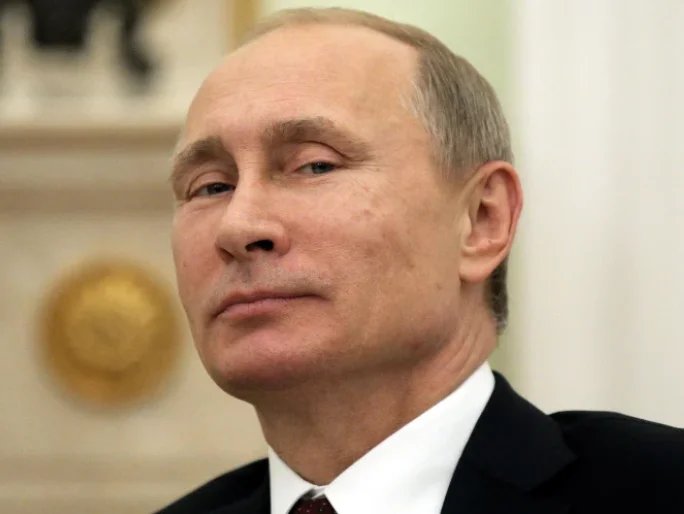
Putin’s ‘Difficult’ Signal Adds to Geopolitical Jitters
Russian President Vladimir Putin told U.S. envoys Steve Witkoff and Jared Kushner during a meeting in Moscow on Friday that the situation in Ukraine remains “difficult,” according to a Kremlin readout. The stark characterization, reported by state media, underscores the deep impasse in ceasefire efforts and injected fresh uncertainty into global markets already grappling with a fragile economic recovery.
The meeting, which took place against a backdrop of stalled negotiations, comes as Washington and Moscow have exchanged conflicting signals on the possibility of a truce. Putin’s blunt words—delivered to two of President Donald Trump’s most trusted intermediaries—suggest that the Kremlin sees limited room for compromise ahead of any potential summit. Neither Witkoff nor Kushner publicly commented on the exchange, but the diplomatic tone marks a sobering reality check for investors who had bet on rapid de-escalation.
Why Putin’s Message Hits Energy And Safe-Haven Prices
Putin’s assessment carries direct implications for commodity markets. The Ukraine conflict has kept European natural gas prices elevated and disrupted global grain shipments, but Friday’s remarks primarily reverberated through crude oil—where $USO tracks the commodity—and gold, via $GLD. Benchmark Brent crude futures hovered near $72.50 a barrel on Friday, down slightly on the day but supported by the persistent risk of supply disruptions if fighting intensifies. Gold, a traditional safe haven, traded around $2,480 per ounce, reflecting steady demand from investors hedging against geopolitical headlines.
Analysts argue that a prolonged “difficult” phase reduces the odds of sanctions relief on Russian energy exports, a scenario that would have flooded the market with additional barrels and pressured prices. Conversely, any breakthrough could trigger a sharp selloff in oil and a rotation out of defensive assets. The market’s muted reaction on Friday—rather than a panic spike—suggests traders have largely priced in a stalemate, but the room for surprise remains asymmetric.
Kushner And Witkoff’s Track Record Points To Stalled Diplomacy
Witkoff, a real estate investor, and Kushner, Trump’s son-in-law, have served as informal backchannels to Moscow since early 2025, but their influence has yet to translate into a tangible ceasefire. Previous rounds of talks, including a February meeting in Riyadh and a March call between Trump and Putin, produced only vague commitments to technical discussions. Friday’s “difficult” framing aligns with recent battlefield realities: Russian forces have made incremental gains in the Donbas region, while Ukrainian counteroffensives have stalled amid ammunition shortages.
For financial markets, the key takeaway is that diplomatic progress is likely to be slow and nonlinear. The envoys’ direct access to Putin—unusual for a U.S. administration—has raised expectations in some circles, but the Kremlin’s public stance suggests it is in no rush to compromise. As one former U.S. diplomat noted, “Putin uses meetings like these to signal resolve, not to concede.” If true, the market impact will be a persistent risk premium rather than a sudden shock.
Market Indicators To Watch For A Policy Shift
Beyond oil and gold, traders are monitoring the Russian ruble and European gas benchmarks as real-time gauges of geopolitical sentiment. The ruble has weakened about 3% against the dollar since early August, a sign that investors are skeptical of near-term sanctions relief. Meanwhile, Dutch TTF natural gas futures—Europe’s benchmark—have stayed volatile, with any disruption to Russian pipeline flows likely to push prices above €40 per megawatt-hour.
Equity markets, particularly European defense stocks and U.S. energy names, have also shown sensitivity to Ukraine headlines. A sustained “difficult” narrative could keep the Stoxx Europe 600 energy sector outperforming, while a surprise peace deal might trigger profit-taking in defense contractors. For now, the consensus view is that the conflict will grind on through the autumn, keeping a floor under energy prices and a bid under safe havens.
What Could Break The Stalemate: Key Dates And Numbers
The next actionable catalyst is the potential Trump-Putin meeting, which has been floated for late September but remains unconfirmed. Investors should watch for any official announcement from the White House or Kremlin, as well as the next round of U.S. sanctions deadlines, which often force Moscow to respond. The critical number to track is the weekly change in Russian crude exports: a significant drop would signal that sanctions are biting, while a steady rise might ease tensions.
Ultimately, the “difficult” label is a reminder that geopolitical risk is not binary. The market’s focus should be on diplomatic communiqués and battlefield maps, not just price charts. If the next month brings no progress, expect oil to hold its range and gold to remain bid; if talks advance, be ready for a swift repricing.







Comments are closed.