
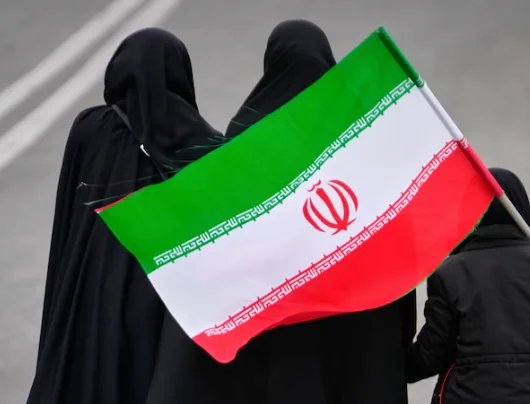
Kharg Island Dispute Reignites as Iran Mocks Trump Post
On Monday, August 31, 2026, Iran’s government dismissed as “laughable” a Truth Social post by U.S. President Donald Trump claiming that Kharg Island, Iran’s key oil export hub, was “being blown to smithereens.” The post, which included an AI-generated video, was published late Sunday, August 30, and has heightened tensions in the Middle East, already strained by recent U.S. military actions and Iranian claims of retaliatory strikes.
Iran’s response came through state media, with officials calling the claim baseless and a distraction from the real issues. The exchange marks a new chapter in the ongoing hostilities, raising concerns about energy supply disruptions from the Strait of Hormuz, through which about 20% of global oil passes.
Oil Market Jitters: What Kharg Island Means for Supply
Kharg Island is Iran’s largest crude export terminal, handling roughly 90% of the country’s seaborne exports, according to industry data from 2025. Any credible threat to this facility would directly impact global supply, potentially pushing Brent crude above $80 per barrel, a level not sustained since early 2026. On Monday, Brent futures traded near $75.20, up 1.8% on the news, while WTI rose 2.1% to $71.45, reflecting immediate market anxiety.
However, Iran’s dismissal suggests that actual damage is unlikely, and markets may be overreacting. Historical patterns show that political rhetoric often moves prices temporarily, but real supply shifts require physical disruption. Traders are watching for any independent confirmation of attacks, which could trigger a more sustained rally.
The AI Post Factor: Disinformation and Market Volatility
President Trump’s AI-generated video is a novel element in geopolitical communication, using synthetic media to amplify claims. This raises questions about market stability when unverified content can move oil prices. Financial analysts note that retail traders, particularly those in crypto and commodity ETFs, may respond to such headlines, creating volatility that does not reflect underlying fundamentals.
In the past 24 hours, oil-linked ETFs like $USO saw increased volume, but the effect on broader markets remains muted, with equities holding steady. The episode underscores the need for investors to verify sources before trading, as AI-generated misinformation becomes more prevalent in financial news cycles.
Retaliatory Strikes and Geopolitical Risk Premium
Iran’s claims of retaliatory strikes against U.S. targets, reported early Monday, add to the risk premium already embedded in oil prices. The U.S. has conducted airstrikes in Iraq and Syria over the weekend, targeting Iranian-backed militias, according to Pentagon statements. Iran’s response, while not yet independently verified, could escalate into broader conflict, threatening infrastructure beyond Kharg.
Energy analysts at firms like Goldman Sachs have noted that a full blockade of the Strait of Hormuz could add $20-$30 per barrel to prices, but such a scenario remains unlikely. The current situation, while tense, mirrors previous episodes in 2020 and 2024, where rhetoric outpaced actual conflict, leading to price corrections within weeks.
Investors in oil futures and energy equities should monitor diplomatic channels, particularly any statements from the UN Security Council or OPEC, as these could de-escalate tensions. The key number to watch is the weekly U.S. crude inventory report, due Wednesday, September 2, which will show if any supply disruptions have materialized.
What to Watch: Confirmation and Diplomatic Moves
Over the next 48 hours, watch for independent satellite imagery or shipping data confirming any damage to Kharg Island, which would validate Trump’s claim. Also, monitor Iran’s next official statement, as a shift from dismissal to threats would signal escalation. If Brent breaks above $80, expect a broader risk-off sentiment, but if the situation cools, prices could retreat to $70 levels.
The critical date is Friday, September 4, when the U.S. and Iran are scheduled to hold indirect talks in Vienna, according to diplomatic sources. Any progress there could ease tensions, while a breakdown could trigger further volatility. Investors should position accordingly, balancing geopolitical risk with market fundamentals.




Comments are closed.