
The Current Landscape of Gold Demand
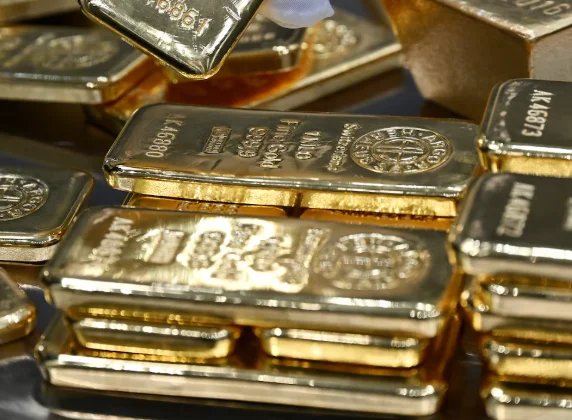
In a stark contrast to India’s recent pause on gold import duties, China’s gold buying activity has reached unprecedented levels. As of Q1 2026, demand for gold bars and coins in China soared to a record 207 tonnes. This surge highlights a significant shift in the global gold market dynamics, indicating China’s robust appetite for gold amid fluctuating economic conditions.
India’s Import Duty Pause
On the other hand, India has decided to pause a proposed 15% hike in import duties on gold. This decision comes as the country grapples with economic uncertainties, including inflationary pressures and currency fluctuations. The Indian market has traditionally been one of the largest consumers of gold, driven by cultural significance and investment demand. However, recent policy adjustments reflect a cautious approach to maintaining gold imports without exacerbating the economic situation.
Implications for Global Gold Markets
The divergence in gold demand between China and India is significant for investors and market analysts. China’s aggressive purchasing could result in higher global gold prices, especially if demand continues on this upward trajectory. As of now, the price of gold has shown resilience, hovering around $2,000 per ounce, indicating strong investor confidence, particularly in times of economic uncertainty.
India’s pause, while aimed at stabilizing the market, could lead to a temporary decrease in gold imports. This decision might affect local pricing dynamics and the availability of gold in the Indian market, potentially leading to increased premiums for consumers.
Reasons Behind China’s Gold Buying Spree
Several factors contribute to China’s robust gold demand. Firstly, there is an increasing trend among Chinese investors to diversify their portfolios amidst global economic uncertainties. Gold is often viewed as a safe-haven asset, particularly during times of volatility in other markets. Additionally, the Chinese government’s policies promoting gold purchases for financial security and reserve accumulation further fuel this demand.
Moreover, the Chinese middle class is expanding, leading to a rise in discretionary spending, which includes investments in physical assets like gold. As the demand for luxury goods in China remains high, gold continues to be a preferred choice for wealth preservation.
What This Means for Your Gold Allocation
For investors considering their physical gold allocation, the contrasting trends between China and India offer valuable insights. With China’s insatiable demand likely to push prices higher, it may be prudent for investors to reassess their gold holdings in light of these developments. The historical correlation between increased gold demand and price appreciation suggests that maintaining or increasing exposure to gold could be a strategic move.
Moreover, keeping an eye on policy changes in India is essential, as any shifts could impact not only domestic prices but also the overall global gold market. Understanding these dynamics can help investors make informed decisions about their investment strategies in precious metals.
Conclusion
In summary, China’s record gold buying amidst India’s import duty pause presents a unique situation in the global gold market. The appetite for gold in China, driven by both individual and governmental demand, suggests a bullish outlook for gold prices. Investors should remain vigilant and consider the potential implications on their portfolios, as these trends could shape the landscape of gold investing in the coming months.










Comments are closed.