
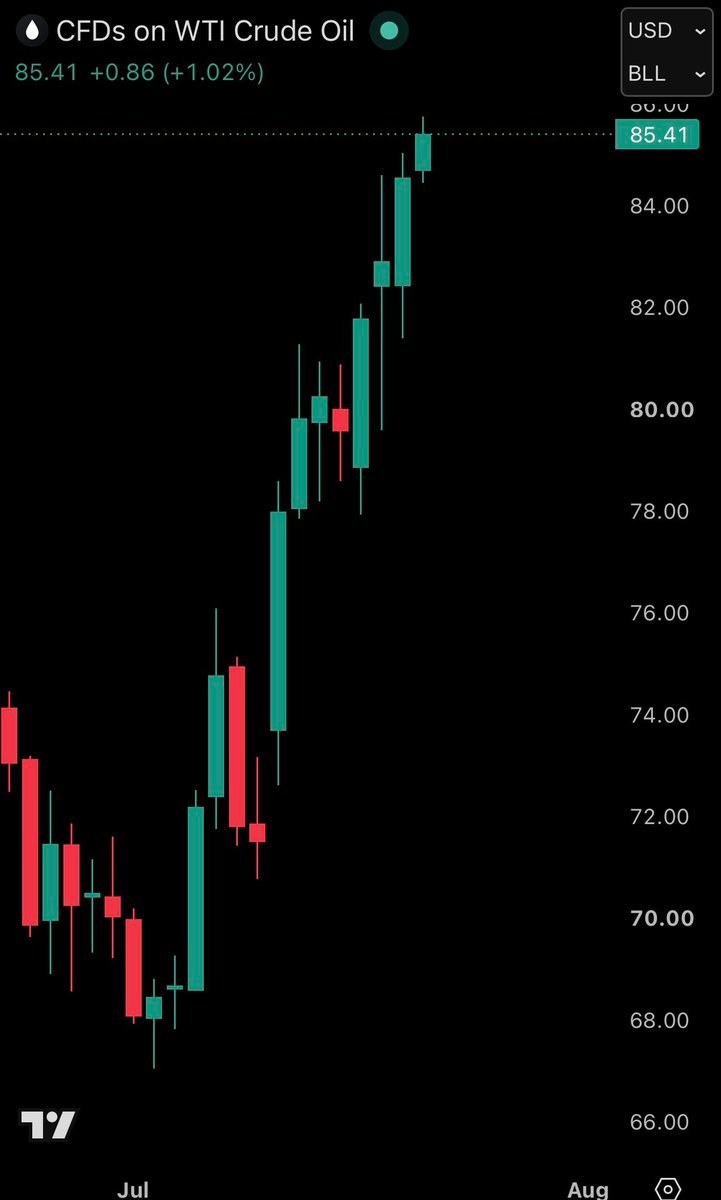
US Oil Prices Hit New Highs
In a significant market development, US oil prices have surged above $85 per barrel for the first time since June 12, 2023. This increase comes amid escalating tensions in the Middle East, particularly related to the ongoing conflict involving Iran. The rise in prices reflects growing concerns over supply disruptions and geopolitical instability that could impact global oil markets.
Geopolitical Tensions Impacting Oil Supply
The escalation of the Iran conflict has heightened fears of potential disruptions in oil supply. As one of the world’s largest oil producers, any instability in Iran can ripple through global markets. Analysts are closely monitoring the situation, as further escalation could lead to sanctions or military actions that disrupt oil exports from the region.
Market analysts note that the increase in oil prices is not only a reaction to the immediate geopolitical situation but also a reflection of broader market dynamics. The ongoing recovery from the COVID-19 pandemic has led to increased demand for oil, which, coupled with supply constraints, is driving prices higher. The Organization of the Petroleum Exporting Countries (OPEC) has indicated that it will continue to manage supply levels to support prices, which adds another layer of complexity to the current market scenario.
Market Reactions and Future Outlook
Investors are reacting to the rise in oil prices with a mix of caution and opportunism. Energy stocks have seen a boost as companies positioned in the oil sector benefit from higher prices. However, the potential for increased inflation due to rising energy costs is a concern for broader economic stability. The Federal Reserve’s monetary policy decisions will be crucial in the coming weeks as they navigate the balance between supporting economic growth and controlling inflation.
Looking ahead, market participants will be watching closely for any developments in the Iran situation, as well as OPEC’s response to the rising prices. A sustained increase in oil prices could lead to changes in consumer behavior, potentially impacting sectors reliant on fuel and energy.
The situation remains fluid, and investors should keep an eye on key indicators such as inventory levels, production rates from OPEC countries, and geopolitical developments that could influence market dynamics. The next few weeks will be critical in determining whether this recent price surge is a temporary spike or the beginning of a longer-term trend.











Comments are closed.