

Rio Tinto Acquires Aurukun Bauxite Project
Mining giant Rio Tinto announced on Tuesday, September 8, 2026, that it has agreed to acquire the Aurukun bauxite project in Queensland, Australia, from Glencore and Mitsubishi. The deal, financial terms of which were not disclosed, marks a significant consolidation in the global bauxite market and strengthens Rio Tinto’s position in the aluminum supply chain.
Strategic Rationale: Securing Long-Term Bauxite Supply
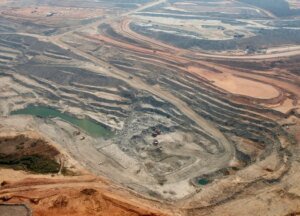
The acquisition aligns with Rio Tinto’s strategy to expand its high-quality, low-cost bauxite operations. Aurukun, located on the western Cape York Peninsula, holds substantial bauxite reserves, estimated at over 200 million tonnes. This move comes as global aluminum demand is projected to rise, driven by the energy transition, with bauxite being the primary ore for aluminum production.
Rio Tinto already operates the Weipa bauxite mine, also in Queensland, and the Aurukun project is expected to complement its existing infrastructure and export capabilities. The company plans to develop the project with a focus on sustainability and community engagement, aiming to start production within the next five years, subject to regulatory approvals.
Market Context: Bauxite Prices and Aluminum Demand
Bauxite prices have remained relatively stable, but the long-term outlook for aluminum is bullish. According to the International Aluminium Institute, global aluminum demand is expected to grow by 40% by 2030, fueled by electric vehicles, solar panels, and power grids. Rio Tinto’s acquisition positions it to capture this growth, ensuring it has sufficient bauxite to feed its alumina refineries and aluminum smelters.
The deal also comes at a time when major miners are increasingly focusing on critical minerals and supply chain security. By acquiring Aurukun, Rio Tinto reduces its reliance on third-party bauxite purchases and gains more control over its production costs. Analysts view this as a defensive move against potential supply disruptions and rising input costs.
Who Gains and Who Loses in the Aurukun Deal
For Glencore, the sale allows it to divest a non-core asset and focus on its core trading and metals portfolio. Mitsubishi, which held a minority stake, also exits the project, freeing up capital. For Rio Tinto, the acquisition is expected to be accretive to earnings per share from 2030 onwards, according to preliminary company estimates.
However, some investors may be concerned about the capital expenditure required to develop Aurukun. Rio Tinto has not provided a capex figure, but similar bauxite projects have cost $1-2 billion. The company has a strong balance sheet, with net cash of around $4 billion as of June 2026, which should comfortably fund the development.
Regulatory Risks and Community Concerns
The Aurukun project has faced regulatory and community challenges in the past. The Queensland government has imposed strict environmental conditions, and the local Wik-Way people have raised concerns about land rights. Rio Tinto has said it will engage with traditional owners and ensure the project meets all environmental standards, but delays are possible.
Rio Tinto’s track record in Australia is mixed; the destruction of the Juukan Gorge rock shelters in 2020 remains a reputational scar. The company has since overhauled its heritage management practices, but any misstep at Aurukun could reignite scrutiny. Investors should monitor the approval process closely.
What to Watch Next: Capex Guidance and Approval Timeline
The key date to watch is the expected final investment decision, which Rio Tinto targets for 2028. If the company provides detailed capex guidance in its 2026 annual report, due in February 2027, that will be the next major signal. Also, watch for any escalation in community opposition or regulatory hurdles, which could delay the project and erode the deal’s value.









Comments are closed.