

Impact of Hormuz Closure on Global Energy Supply
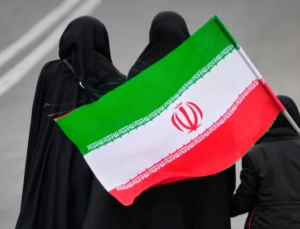
The recent closure of the Strait of Hormuz has significantly disrupted global energy trade, particularly affecting fuel supply to various regions. This strategic waterway is crucial for oil transportation, with approximately 20% of the world’s oil passing through it. The ongoing restrictions on fuel trade, resulting from a U.S.-Israeli-led campaign against Iran, have intensified energy shortages in Africa and beyond, exposing the continent’s heavy reliance on Iranian and Chinese energy imports.
As nations grapple with these challenges, many are now seeking alternative sources of energy and regional supply chains. This shift is imperative not only for energy security but also for economic stability in affected regions. As the situation unfolds, companies and governments must adapt to this new reality to mitigate the adverse effects of these geopolitical tensions.
African Economies at Risk
Several African countries, particularly those heavily dependent on oil imports, are facing increasing energy insecurity. For instance, nations like Nigeria and South Africa are witnessing escalating fuel prices, leading to inflationary pressures that threaten economic growth. In September 2023, fuel prices in Nigeria rose by 15%, a significant increase that could hamper consumer spending and broader economic activity.
Moreover, the reliance on imports from Iran and China has highlighted vulnerabilities in Africa’s energy infrastructure. As part of a long-term strategy, some countries are now investing in renewable energy sources to lessen their dependence on traditional fossil fuels. Solar and wind energy initiatives are gaining traction, with governments aiming to leverage their natural resources for sustainable development.
Shifts in Global Energy Trade
The geopolitical landscape surrounding energy trade is evolving rapidly. The closure of the Strait of Hormuz is not just a regional issue; it has global ramifications that could reshape energy markets. Countries are re-evaluating their energy policies, and many are pivoting towards more diversified portfolios that include renewable energy sources.
Recent reports indicate that investments in renewables have surged. In Africa, solar power projects are estimated to attract over $10 billion in investments by 2025, driven largely by the need for energy independence. Additionally, businesses are adapting by forming partnerships with local companies to develop regional supply chains that can withstand global shocks.
Market Reactions and Future Outlook
Market responses to the closure have been significant. Oil prices surged immediately following the closure announcement, with Brent crude climbing above $95 per barrel. Analysts suggest that sustained disruptions could push prices even higher, potentially impacting global inflation rates.
Investors are also closely monitoring developments in the region, as any escalation could lead to further volatility in energy markets. The push towards alternative energy sources, while necessary, may take time to materialize, leaving many economies vulnerable in the interim.
Conclusion: A Call for Energy Diversification
The ongoing crisis surrounding the Strait of Hormuz underscores the urgent need for energy diversification within Africa and beyond. Countries must prioritize investments in renewable energy and establish robust regional supply chains to mitigate risks associated with geopolitical tensions.
As the global energy landscape continues to evolve, the path forward will require cooperation between governments, private sectors, and international stakeholders. A strategic shift towards sustainable energy solutions could ultimately provide a buffer against future disruptions, fostering resilience in the face of uncertainty.








Comments are closed.