
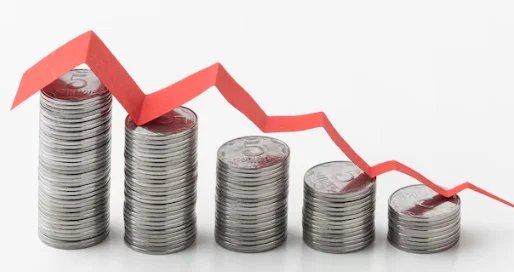
Market Reaction to Rate Hike
South Korean stocks experienced a significant downturn following the Bank of Korea’s (BOK) first interest rate hike in three years. This decision, made under the leadership of Governor Shin Hyun-song, was driven by escalating concerns over persistent inflation and the ongoing weakness of the South Korean won. The BOK increased its benchmark rate by 0.25 percentage points, raising it to 3.50% as part of an effort to stabilize the economy amidst these challenges.
The KOSPI index fell sharply, closing down nearly 2% on the day of the announcement. Investors reacted swiftly, fearing that higher borrowing costs could stifle economic growth and dampen consumer spending. Analysts had predicted the move, but the magnitude of the decline in stock prices reflected the market’s anxiety about the implications of a tighter monetary policy.
Inflation and Currency Concerns
The backdrop of this rate hike is a South Korean economy grappling with inflationary pressures that have persisted despite previous efforts to manage them. The consumer price index (CPI) has risen sharply, hitting levels not seen in over a decade. This has raised alarms among policymakers, prompting the central bank to reassess its stance on interest rates.
The weakened won has also played a crucial role in the BOK’s decision-making process. As of October 2023, the currency has depreciated significantly against the US dollar, further complicating the inflation situation by making imports more expensive. With these dual pressures, the BOK is navigating a challenging economic landscape, where balancing growth and inflation is increasingly complex.
Future Outlook for the South Korean Market
Looking ahead, market participants are keeping a close watch on how the BOK’s rate hikes will impact both inflation and economic growth. Many analysts believe that further rate increases may be necessary if inflation does not show signs of abating. However, this places the central bank in a difficult position, as additional hikes could slow down economic activity.
Moreover, there are concerns about the global economic environment. With the US Federal Reserve also signaling potential rate hikes, the interconnectedness of global markets means that any shifts in monetary policy in the US could have ripple effects in South Korea. Investors are advised to remain cautious and monitor economic indicators closely as they navigate these uncertain times.
Investors’ Sentiment and Strategies
Investor sentiment in South Korea has turned increasingly negative as the stock market reflects concerns over tighter monetary policy. In response, many are reevaluating their investment strategies to mitigate risks associated with potential economic slowdowns. Diversification, focusing on sectors that may benefit from a higher interest rate environment, and considering defensive stocks may be prudent strategies moving forward.
Additionally, investors are encouraged to keep an eye on economic data releases that may influence the BOK’s future policy decisions. Understanding the interplay between inflation rates, currency trends, and global economic conditions will be critical for making informed investment choices in the coming months.
Conclusion
The recent rate hike by the Bank of Korea marks a pivotal moment for South Korean markets as they grapple with inflation and currency challenges. While the hike aims to curb inflationary pressures, the immediate market reaction suggests that investors are wary of the broader economic implications. As the situation unfolds, maintaining a balanced perspective and adapting investment strategies will be essential for navigating these turbulent waters.







Comments are closed.